


Catheter Care at Home: A Complete Guide for Patients and Families
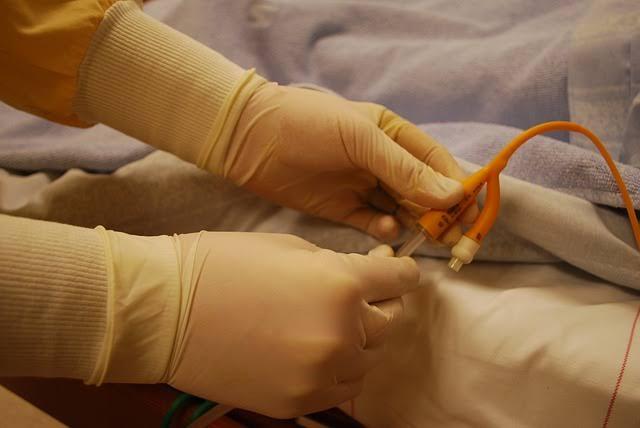
Living with a urinary catheter can feel unfamiliar at first, but proper daily care can make the experience safer and more comfortable. For families searching for Catheter Care at Home Dubai, understanding hygiene, drainage, warning signs, and when professional support is needed is essential. A Doctor at Home can also provide convenient clinical guidance when a patient has difficulty travelling or when catheter-related concerns need professional assessment. A catheter should always be managed according to the instructions provided by the treating doctor or nurse, because individual care requirements can vary depending on the catheter type and the reason it was inserted.
What Is a Urinary Catheter and Why Is It Used?:
A urinary catheter is a thin, flexible tube used to drain urine from the bladder when a person cannot empty their bladder normally or requires continuous urinary drainage. Some catheters are inserted through the urethra, while suprapubic catheters enter the bladder through an opening in the lower abdomen. Depending on the patient's condition, a catheter may be temporary or needed for longer-term care. Although catheterisation can improve comfort and bladder management, having a catheter increases the risk of urinary tract infections and other complications, making correct home care particularly important.
How to Maintain Catheter Hygiene at Home:
Good hygiene is one of the most important parts of catheter care at home because bacteria can enter around the catheter and potentially cause infection. Patients and caregivers should wash their hands thoroughly with soap and water before and after touching the catheter, tubing, or drainage bag. The skin around the catheter should generally be cleaned every day with mild or unscented soap and water, then gently dried. Avoid applying powders, creams, lotions, or other products around the catheter unless a healthcare professional specifically recommends them. Keeping the catheter area clean, dry, and free from unnecessary products can help reduce irritation and support healthy skin.
How to Manage the Catheter and Drainage Bag:
Correct positioning of the drainage system helps urine flow properly and reduces the chance of backflow. The collection bag should remain below bladder level, including while the patient is sleeping, and the tubing should be checked regularly for bends, twists, or compression. The bag should be emptied before it becomes completely full, following the instructions provided by the healthcare professional. Patients should also avoid pulling or allowing the bag to drag on the catheter because this can cause discomfort or accidental displacement. Depending on the type of system used, healthcare professionals may provide specific instructions about changing leg bags, night bags, valves, and other equipment.
Daily Catheter Care Routine for Patients and Families:
A simple routine can make catheter management easier for both patients and caregivers. Each day, check that urine is draining normally, inspect the catheter site and surrounding skin, and make sure the tubing is positioned comfortably without kinks. Unless a healthcare professional has placed fluid restrictions on the patient, maintaining adequate hydration can help support urinary function and reduce constipation, which may otherwise make catheter management more difficult. Families can keep a small care routine visible at home so everyone involved understands what needs to be checked and when. Useful daily reminders include:
- Wash hands before and after catheter care.
- Check that urine is flowing into the drainage bag.
- Keep the drainage bag below bladder level.
- Look for redness, swelling, tenderness, discharge, or skin irritation.
- Keep tubing free from kinks and unnecessary tension.
- Empty the drainage bag as instructed.
- Follow the healthcare professional's schedule for equipment or catheter changes.
These habits can make catheter care more consistent and help caregivers identify changes early.
Warning Signs That Require Medical Attention:
Patients and families should know which catheter-related symptoms should not be ignored. A healthcare professional should be contacted if there is persistent or worsening pain, significant redness or swelling around the catheter site, pus or unusual discharge, fever, chills, feeling generally unwell, or concerns about possible urinary infection. A catheter that stops draining may also require prompt assessment, particularly when the patient develops bladder discomfort or lower abdominal pain. Do not attempt to force, reposition, remove, or replace an indwelling catheter unless a qualified healthcare professional has specifically instructed and trained you to do so. Prompt medical assessment can help identify infection, blockage, displacement, or another complication.
When Professional Home Healthcare Can Help:
Home healthcare can be valuable for patients who are elderly, recovering from illness or surgery, have limited mobility, or need assistance with ongoing catheter management. Professional assessment may be appropriate when a caregiver is unsure about catheter hygiene, drainage problems, equipment management, or whether a symptom requires medical attention. In Dubai, the Dubai Health Authority maintains standards for home healthcare services and provides a medical registry for checking healthcare professionals and facilities. This can help patients and families make more informed decisions when arranging professional care at home.
Tips for Comfortable Living With a Catheter:
Having a catheter does not necessarily mean giving up normal daily activities. With appropriate medical guidance, many people can continue much of their usual routine. Comfortable clothing that does not pull on the tubing can make movement easier, while a properly positioned leg bag may provide greater convenience during daytime activities. Patients should follow their clinician's advice regarding exercise, bathing, swimming, travel, and sexual activity because recommendations may differ according to the catheter type and individual medical condition. Keeping enough approved catheter supplies available at home is also helpful, particularly for people who depend on regular catheter equipment changes.
Common Catheter Care Mistakes to Avoid:
Many preventable problems occur when basic catheter-care principles are overlooked. Touching catheter equipment with unwashed hands, allowing the drainage bag to rise above bladder level, permitting tubing to become kinked, or using unapproved products around the catheter site can increase the risk of complications. Another common mistake is waiting too long to report unusual symptoms. Patients and caregivers should also avoid making changes to the catheter system without professional instructions. Remember these important precautions:
- Do not ignore fever, severe discomfort, or unusual discharge.
- Do not let the drainage bag rest above bladder level.
- Do not allow tubing to become tightly bent or compressed.
- Do not apply creams, powders, or lotions unless advised.
- Do not remove or replace an indwelling catheter without appropriate professional guidance.
Following the care plan provided by the treating healthcare team is safer than relying on generic instructions alone.
Final Thoughts
Effective catheter care at home is based on cleanliness, correct drainage-bag positioning, regular observation, adequate hydration when medically appropriate, and timely professional advice. Families can play an important role by helping patients maintain a consistent routine and recognising changes that may indicate infection or blockage. For people in Dubai, professional home healthcare may provide additional support when catheter management becomes difficult or when a patient's mobility makes clinic visits challenging. The Dubai Health Authority recognises home healthcare as an established healthcare service area, while its medical registry can help patients identify licensed professionals and facilities.
For safety, this guide should complement—not replace—the personalised instructions given by the patient's doctor or nurse. If catheter drainage suddenly stops, significant pain develops, or the patient becomes acutely unwell, seek prompt medical evaluation rather than attempting to solve the problem independently.

 English
