


Logo to Embroidery File Cost Explained
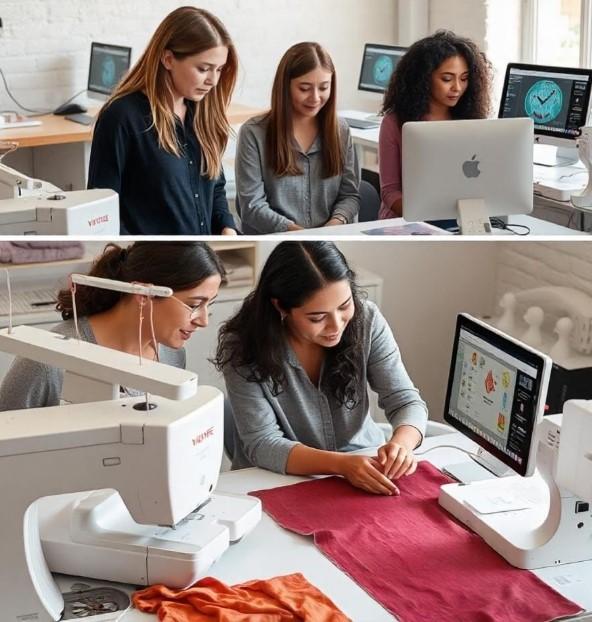
Logo to Embroidery File Cost Explained
Introduction
You’ve got the perfect logo and you're ready to put it on shirts, hats, jackets, or promotional products. Then comes the next question: what is the logo to embroidery file cost?
Many people are surprised to learn that embroidery machines cannot read regular image files. Before a logo can be stitched, it must first be converted into a specialized embroidery file through a process called digitizing.
Understanding the factors that influence digitizing costs can help you make smarter decisions, avoid costly mistakes, and ensure your embroidered logo looks professional from the very first stitch.
What Is a Logo to Embroidery File Conversion?
A logo-to-embroidery file conversion is the process of transforming artwork into a machine-readable embroidery format.
An embroidery machine cannot directly use:
- JPG files
- PNG files
- PDF files
- GIF files
- Standard image formats
Instead, it requires a file that contains:
- Stitch paths
- Thread color information
- Stitch density settings
- Sewing sequences
- Underlay instructions
This conversion process is known as embroidery digitizing.
Why Digitizing Is Necessary
Think of your logo as a blueprint drawing.
An embroidery machine needs detailed construction instructions before it can build that design with thread. Digitizing creates those instructions and ensures the logo stitches correctly on fabric.
What Affects Logo to Embroidery File Cost?
Several factors determine the amount of work required to convert a logo into an embroidery-ready file.
Design Complexity
One of the biggest factors affecting cost is the complexity of the logo.
Simple logos with basic shapes and minimal details are generally easier to digitize.
More complex designs may include:
- Fine lines
- Small lettering
- Multiple colors
- Intricate graphics
- Decorative elements
These designs require more planning and expertise.
Logo Size
The intended embroidery size matters.
A logo designed for:
- Hats
- Polo shirts
- Uniform pockets
requires different digitizing techniques than a large jacket-back design.
Larger designs often contain more stitches and require additional adjustments.
Number of Colors
Each thread color change must be programmed into the embroidery file.
Logos with numerous colors can require more setup work during digitizing.
Fabric Type
Different fabrics behave differently during embroidery.
Examples include:
- Caps
- Cotton shirts
- Performance wear
- Fleece jackets
- Tote bags
Professional digitizers adjust stitch settings based on the material being embroidered.
Special Effects
Certain embroidery styles add complexity.
These may include:
- 3D puff embroidery
- Appliqué
- Raised stitching
- Specialty fills
- Decorative textures
Special effects often require advanced digitizing techniques.
Why Quality Digitizing Matters
Many people focus solely on the cost of digitizing, but quality often has a much greater impact on the final result.
A professionally digitized embroidery file can help:
- Improve stitch quality
- Reduce thread breaks
- Minimize machine downtime
- Prevent fabric puckering
- Enhance logo appearance
In embroidery, a high-quality file is often worth far more than the initial investment.
The Hidden Cost of Poor Digitizing
Choosing low-quality digitizing services can create expensive production problems later.
Common issues include:
- Distorted logos
- Misaligned elements
- Excessive thread trims
- Wasted garments
- Production delays
In many cases, correcting a poorly digitized file costs more than investing in quality digitizing from the beginning.
How the Digitizing Process Works
Understanding the process helps explain why expertise matters.
Step 1: Artwork Review
The logo is analyzed for embroidery suitability.
The digitizer evaluates:
- Detail level
- Text size
- Color count
- Fabric type
- Final dimensions
Step 2: Stitch Planning
The digitizer determines:
- Stitch types
- Stitch directions
- Underlay settings
- Density levels
- Sewing sequence
Every stitch is planned intentionally.
Step 3: File Creation
The artwork is converted into embroidery data that machines can read.
Step 4: Quality Testing
Many professional digitizers test the design before delivery to ensure optimal performance.
Signs of a High-Quality Embroidery File
Not all embroidery files are created equally.
Look for these indicators of quality.
Clean Lettering
Text should remain sharp and readable.
Balanced Density
The design should not be too dense or too sparse.
Smooth Stitch Flow
Efficient stitch sequencing improves machine performance.
Accurate Registration
All design elements should align properly throughout the stitching process.
Consistent Results
A quality file should perform reliably across multiple garments.
Tips to Reduce Logo Digitizing Costs
While quality should always be the priority, there are ways to simplify the process.
Provide High-Quality Artwork
Clear logos reduce editing time and improve accuracy.
Use Vector Files When Possible
Vector artwork provides cleaner shapes and more precise details.
Simplify Unnecessary Elements
Removing tiny details that won't embroider well can improve efficiency.
Share Project Details Up Front
Inform the digitizer about:
- Garment type
- Embroidery size
- Fabric material
- Production requirements
This helps avoid unnecessary revisions.
Why Businesses Invest in Professional Digitizing
Custom embroidery plays a major role in branding.
Businesses use embroidered logos on:
- Employee uniforms
- Corporate apparel
- Promotional products
- Team merchandise
- Event apparel
A professionally digitized logo helps maintain brand consistency and creates a polished, professional image.
At Digitizing Buddy, embroidery files are created with a focus on stitch quality, machine efficiency, and design accuracy, helping businesses achieve reliable embroidery results across a variety of applications.
Conclusion
Understanding logo to embroidery file cost involves more than looking at a price tag. The cost reflects the time, skill, and expertise required to transform artwork into a machine-ready embroidery file that stitches cleanly and consistently.
Factors such as logo complexity, size, color count, fabric type, and special embroidery effects all influence the digitizing process. By investing in professional digitizing, businesses and embroidery enthusiasts can reduce production issues, improve embroidery quality, and maximize the value of their designs.
For reliable embroidery-ready files that deliver professional results, Digitizing Buddy provides expert digitizing services tailored to a wide range of embroidery projects.
FAQs
What is a logo to embroidery file?
It is a machine-readable embroidery file created by converting artwork into stitch instructions that embroidery machines can follow.
Why does logo to embroidery file cost vary?
Costs depend on factors such as design complexity, size, color count, fabric type, and special embroidery requirements.
Can I use a JPG logo directly for embroidery?
No. A JPG image must first be digitized into an embroidery file before it can be stitched.
Is professional digitizing worth the investment?
Yes. Professional digitizing improves stitch quality, reduces embroidery issues, and helps ensure consistent production results.
Can a digitized logo be reused?
Absolutely. Once digitized, the embroidery file can often be reused for future projects on compatible embroidery machines.

 French
