


How Hair Transplants Work: The Science Behind Permanent Hair Restoration
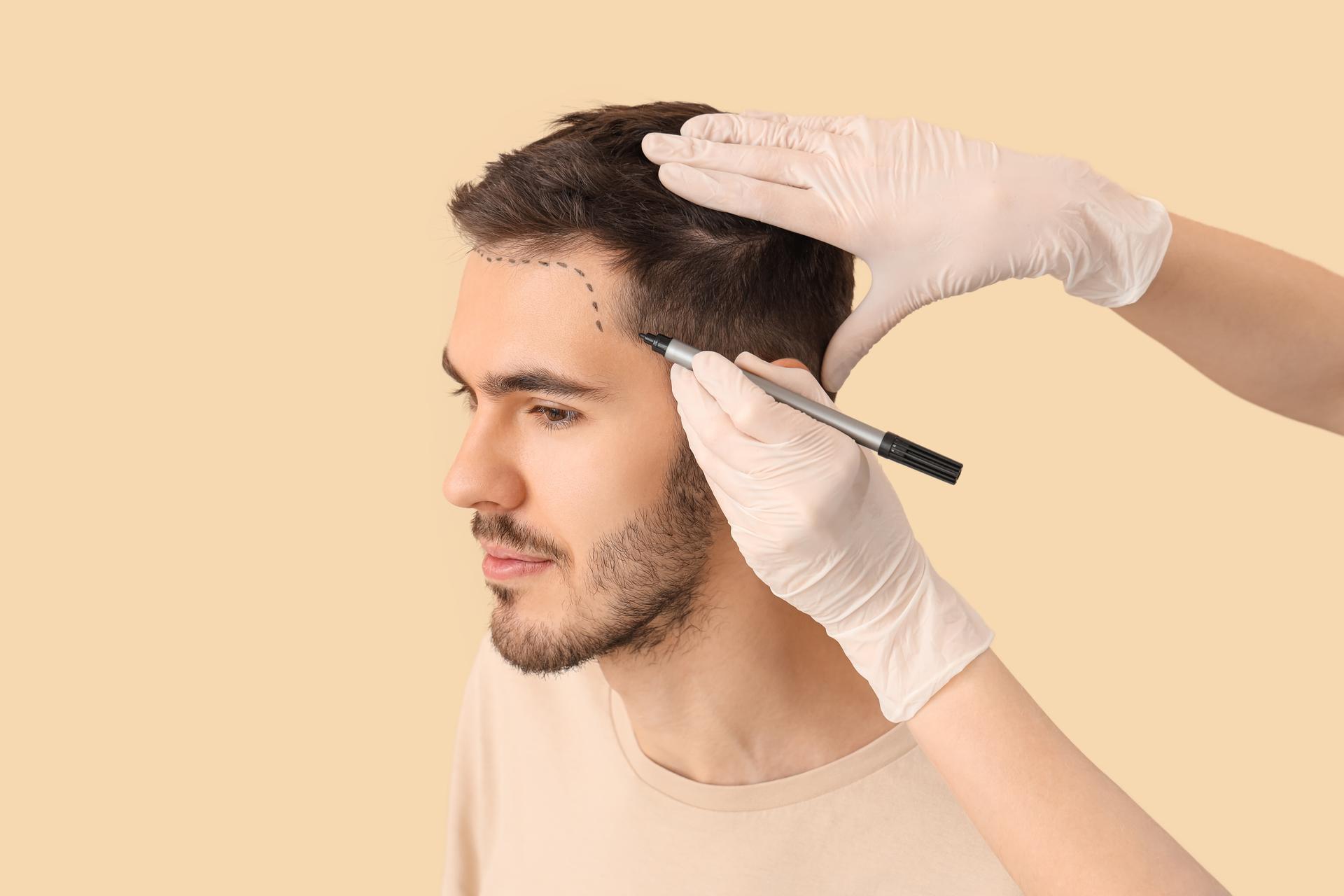
Hair loss affects millions of people around the world and can influence both appearance and confidence. As medical technology has advanced, effective solutions have become available to help individuals restore natural hair growth. One of the most widely recognized and reliable options is Hair Transplant Surgery, a procedure designed to move healthy hair follicles from one part of the scalp to areas experiencing thinning or baldness. The science behind this treatment is based on the natural behavior of hair follicles and their genetic resistance to hair loss. By understanding how hair transplants work, individuals can better appreciate why this procedure offers long-lasting and natural-looking results.
Understanding the Biology of Hair Growth:
Hair growth follows a natural biological cycle that includes multiple stages. Each hair follicle goes through periods of active growth, rest, and shedding before starting the cycle again. This process is controlled by genetics, hormones, and overall health. When certain factors disrupt this cycle, hair follicles may shrink, slow down growth, or stop producing hair entirely.
Important aspects of the hair growth cycle include:
-
The anagen phase, where hair actively grows
-
The catagen phase, a short transition period
-
The telogen phase, when hair rests before shedding
-
Natural follicle regeneration that repeats the cycle
Understanding this cycle helps explain why some follicles continue producing hair while others gradually weaken over time.
The Science Behind Hair Loss:
Hair loss often occurs due to a genetic condition known as pattern baldness. In this condition, certain hair follicles become sensitive to hormones that cause them to shrink gradually. As follicles shrink, they produce thinner and shorter hair strands until they eventually stop producing hair altogether. However, not all follicles are affected equally.
Key scientific factors behind hair loss include:
-
Genetic sensitivity to specific hormones
-
Gradual shrinking of affected follicles
-
Reduced hair thickness and density
-
Longer resting phases in the hair growth cycle
Interestingly, follicles located at the back and sides of the scalp usually remain resistant to these hormonal effects, which plays a crucial role in the success of hair restoration procedures.
The Donor Dominance Principle:
One of the most important scientific concepts behind successful hair restoration is known as donor dominance. This principle explains why transplanted hair follicles continue to grow even after being moved to a different part of the scalp. Hair follicles taken from the donor area retain their original genetic characteristics after transplantation.
The donor dominance concept works because:
-
Donor hair follicles are genetically resistant to hair loss
-
Transplanted follicles maintain their growth behavior
-
The follicles adapt to their new location while retaining their genetic properties
-
New hair growth follows the same natural cycle as before
This scientific principle is the foundation of permanent hair restoration procedures.
How Hair Follicles Are Transplanted:
During a transplant procedure, surgeons carefully remove healthy hair follicles from the donor area and implant them into regions where hair growth has decreased. Each follicle contains tiny structures responsible for producing new hair strands. By relocating these follicles, specialists can restore natural hair density in thinning areas.
Key steps involved in follicle transplantation include:
-
Identifying strong donor follicles
-
Extracting grafts using specialized tools
-
Preparing recipient areas in thinning regions
-
Implanting follicles with precise angles and direction
Careful handling of each follicle is essential to ensure successful growth after the procedure.
Precision and Natural Hairline Design:
A successful transplant procedure is not only based on medical science but also on artistic planning. Specialists carefully design hairlines that match the patient’s facial structure and natural hair growth pattern. Proper placement of follicles ensures that the restored hair looks natural and blends seamlessly with existing strands.
Important design considerations include:
-
Matching natural hair direction and angle
-
Creating gradual hairline density
-
Maintaining symmetrical hairline shape
-
Distributing grafts evenly across the scalp
This combination of medical expertise and aesthetic planning helps create realistic and natural results.
What Happens After the Transplant:
After follicles are implanted, the scalp begins a healing process that allows the grafts to settle into their new location. In the weeks following the procedure, it is common for transplanted hairs to temporarily shed before new growth begins. This stage is a normal part of the hair growth cycle and indicates that the follicles are entering a new phase of development.
Typical post-transplant stages include:
-
Mild redness or swelling immediately after the procedure
-
Temporary shedding of transplanted hair
-
Activation of new hair growth cycles
-
Gradual thickening of hair strands over time
This process allows the follicles to establish themselves and begin producing healthy hair.
Timeline for Hair Growth Results:
Hair restoration is a gradual process, and results develop over several months as the follicles move through their natural growth cycle. Patients often notice early signs of growth within a few months, with more visible improvement appearing later.
Typical hair growth milestones include:
-
Early growth beginning around three to four months
-
Noticeable improvement after six months
-
Increased density as follicles mature
-
Full results visible within nine to twelve months
Patience is essential because hair growth naturally takes time as follicles rebuild their normal cycles.
Why Hair Transplants Provide Long-Term Results:
Unlike many temporary hair loss treatments, transplant procedures provide lasting results because the relocated follicles maintain their genetic resistance to hair loss. Once these follicles establish themselves in the recipient area, they continue producing hair just as they did in the donor region.
Reasons for long-term results include:
-
Genetic resistance of donor hair follicles
-
Natural integration with surrounding scalp tissue
-
Continued hair growth through normal cycles
-
Minimal maintenance after full recovery
This scientific advantage makes transplant procedures one of the most effective solutions for permanent hair restoration.
Final Thoughts
Hair restoration procedures are built on a strong scientific foundation that combines biology, genetics, and surgical precision. By understanding the natural behavior of hair follicles and the principle of donor dominance, specialists can successfully restore hair growth in areas affected by thinning or baldness. The careful relocation of healthy follicles allows individuals to regain natural hairlines and improved hair density over time. With proper care and realistic expectations, patients can experience lasting results that restore both their appearance and their confidence.

 English
