


A Macro-Level Overview of the Highly Competitive Nigeria Telecom Market Dynamics
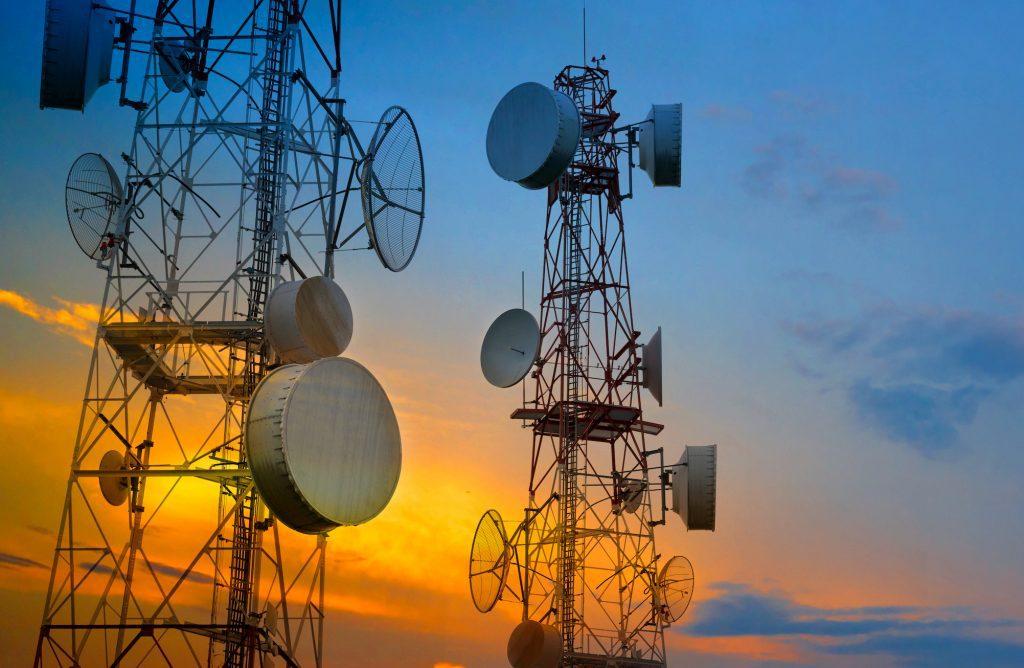
The Nigeria Telecom Market stands as Africa's largest by subscriber volume, representing a vibrant, competitive, and rapidly evolving landscape. It is characterized by a massive addressable population, a demographic dividend of a large youth segment, and an insatiable appetite for data-driven services. The market's primary growth engine has transitioned from voice to data, fueled by the increasing affordability and penetration of smartphones and a burgeoning digital culture centered on social media, video streaming, and e-commerce. Key industry players are engaged in a high-stakes battle for market share, investing heavily in network expansion, technology upgrades (notably 4G and 5G), and innovative service offerings to attract and retain customers in a highly dynamic and price-sensitive environment. Its health and growth are inextricably linked to the overall economic trajectory of the nation.
Market segmentation reveals several key areas of activity and growth. The mobile segment is by far the largest, with prepaid subscriptions accounting for the overwhelming majority of the user base. Within this, mobile data is the fastest-growing sub-segment, with operators offering a wide array of data bundles to cater to different usage patterns and budgets. The fixed broadband market, while still relatively small, is experiencing significant growth, driven by the expansion of Fiber-to-the-Home (FTTH) services in major urban centers by a mix of MNOs and specialized Internet Service Providers (ISPs). Another crucial and high-growth segment is enterprise solutions, where operators provide bespoke connectivity, cloud, and security services to corporate and government clients. Furthermore, value-added services (VAS), particularly telco-led financial services (fintech), have become a major new revenue frontier and a key strategic battleground.
The regulatory environment plays a pivotal role in shaping the market's dynamics. The Nigerian Communications Commission (NCC) is the primary regulatory body, responsible for issuing licenses, allocating spectrum, setting industry standards, and ensuring fair competition. The NCC's policies and directives—on issues such as SIM card registration, national identity number (NIN) linkage, quality of service benchmarks, and spectrum auctions for 5G—have a profound impact on the operational strategies and investment decisions of all market participants. While regulation aims to protect consumers and foster a healthy market, operators often face challenges related to policy consistency and the administrative burden of compliance, which can influence the pace of network deployment and service innovation.
The investment climate in the Nigerian telecom market is one of immense opportunity tempered by significant operational challenges. The capital expenditure required to maintain and expand networks across the country is enormous, running into billions of dollars annually. This investment is crucial for deploying new technologies like 5G, extending fiber optic networks to underserved areas, and increasing overall network capacity. The market has attracted significant Foreign Direct Investment (FDI), primarily through the international parent companies of the major MNOs. However, investors must navigate challenges such as foreign exchange volatility, which impacts the cost of imported equipment, and ongoing security concerns that can affect infrastructure projects, making strategic financial planning and risk management essential for success.
Top Trending Reports:

 French
