


The Foundational Role of Customer Relationship Management Software in Modern Business
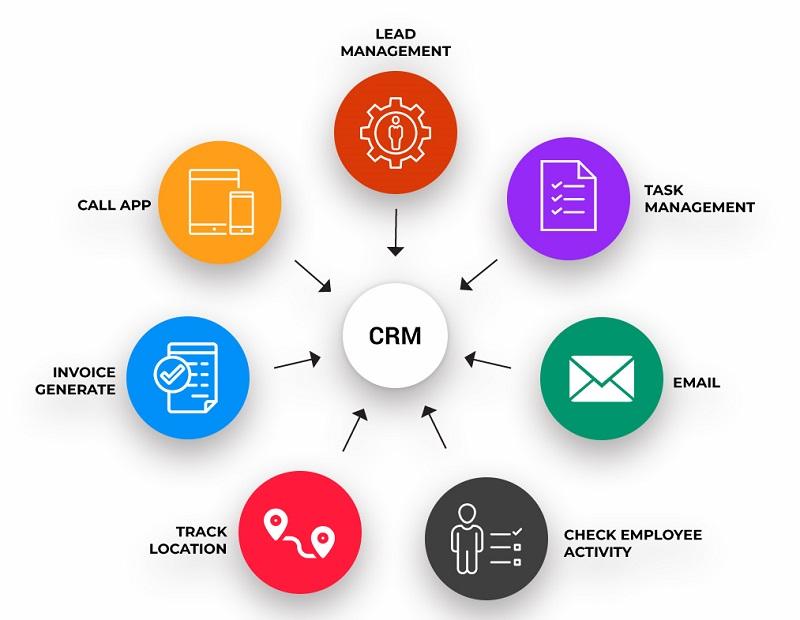
In today's highly competitive landscape, understanding and managing customer interactions is paramount for sustainable growth. The implementation of robust CRM Software has become a cornerstone of strategic business operations, moving far beyond a simple digital address book. These sophisticated platforms empower organizations to consolidate customer data from various touchpoints—including websites, social media, email, and direct calls—into a single, accessible repository. This unified view enables sales, marketing, and customer service teams to collaborate effectively and gain a holistic understanding of each customer's journey. By centralizing this information, companies can track interactions, identify sales opportunities, manage marketing campaigns, and resolve service issues with unprecedented efficiency. The primary goal is to nurture relationships, enhance customer satisfaction, and ultimately drive loyalty and revenue. This strategic tool is no longer a luxury for large corporations but a fundamental necessity for businesses of all sizes aiming to thrive in a customer-centric world.
The core functionalities of CRM software can be categorized into three main pillars: operational, analytical, and collaborative. Operational CRM focuses on automating and streamlining customer-facing business processes. This includes sales force automation, which manages leads and opportunities; marketing automation, which handles campaign management and lead nurturing; and service automation, which oversees customer support and issue resolution. Analytical CRM, on the other hand, is dedicated to analyzing customer data to derive actionable insights. It helps businesses understand customer behavior, identify trends, and measure the effectiveness of marketing and sales strategies. Collaborative CRM ensures that information is shared seamlessly across different departments within an organization. This integration breaks down data silos, allowing teams to work in concert to provide a consistent and superior customer experience, ensuring that every employee has the context needed to interact with customers effectively and intelligently.
The adoption of CRM software delivers a multitude of tangible benefits that directly impact a company's bottom line. One of the most significant advantages is improved customer retention. By understanding customer needs and history, businesses can provide personalized experiences and proactive support, which fosters loyalty. Furthermore, CRM systems lead to increased sales productivity by automating routine administrative tasks, allowing sales representatives to focus more on selling and building relationships. Detailed analytics and reporting features provide management with clear visibility into the sales pipeline, enabling more accurate forecasting and strategic decision-making. Marketing efforts become more targeted and effective, resulting in a higher return on investment (ROI) as campaigns can be tailored to specific customer segments. Ultimately, these benefits culminate in enhanced operational efficiency, reduced costs, and a stronger competitive position in the marketplace.
Choosing the right CRM platform is a critical decision that requires careful consideration of a company's unique needs, goals, and existing infrastructure. The market offers a wide array of solutions, from industry giants to specialized niche providers. Key factors to evaluate include the software's scalability to grow with the business, its integration capabilities with other essential tools like ERP systems and email marketing platforms, and its ease of use to ensure high user adoption rates. The deployment model—cloud-based (SaaS) versus on-premise—is another crucial consideration, with cloud solutions offering greater flexibility and lower upfront costs. Businesses must also assess the level of customization available, the quality of customer support provided by the vendor, and the overall total cost of ownership. A thorough evaluation process ensures that the selected CRM software will be a powerful asset for driving customer engagement and long-term success.
Top Trending Reports:

 French
