


Blood Test at Home: A Complete Guide to Convenient Health Monitoring
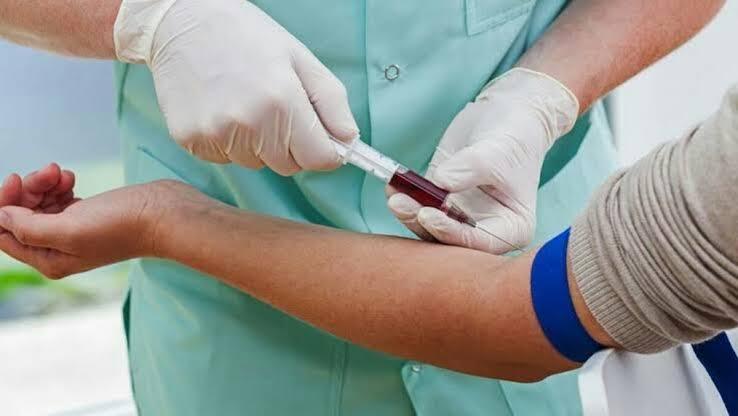
Blood testing is an essential part of preventive healthcare, helping people understand their health, identify potential concerns, and monitor existing medical conditions. With Blood Test At Home in Dubai, individuals can access convenient testing services without travelling to a clinic or waiting in crowded facilities. Whether you need routine health screening, regular monitoring, or tests recommended by your physician, home-based blood collection offers a practical solution for busy lifestyles. Combined with a Doctor at Home service when medically appropriate, this approach can make healthcare more accessible, comfortable, and efficient for individuals and families.
What Is a Blood Test at Home:
A blood test at home is a healthcare service in which a trained phlebotomist or qualified healthcare professional visits your home to collect a blood sample for laboratory analysis. The sample is transported to an appropriate laboratory, where it is tested according to your doctor's request. This service offers an alternative to visiting a medical centre while maintaining the importance of proper sample collection and handling. Depending on the provider, patients may arrange individual tests or comprehensive screening packages. Results are generally shared digitally or through another secure reporting method, allowing patients and their healthcare professionals to review findings and decide whether further assessment is necessary.
Why Choose Blood Testing at Home in Dubai:
Dubai's fast-paced lifestyle can make it difficult to schedule medical appointments around work, family responsibilities, and daily commitments. Home blood collection helps simplify this process by bringing sample collection to your preferred location. Key benefits include:
- Convenience: Arrange sample collection at a suitable time without travelling to a laboratory.
- Time savings: Reduce commuting and waiting time, particularly during busy working days.
- Comfort and privacy: Receive the service in a familiar environment, which may help people who feel anxious about medical visits.
- Support for older adults: Make routine monitoring easier for seniors and individuals with limited mobility.
- Family-friendly care: Coordinate testing for multiple family members, subject to provider availability.
- Ongoing monitoring: Simplify repeat testing when a healthcare professional recommends regular blood work.
Although home collection improves accessibility, the quality of the service still depends on trained staff, appropriate sample handling, and reliable laboratory testing.
Common Blood Tests Available at Home:
The tests available depend on the healthcare provider, your symptoms, and your doctor's recommendations. Common options include:
- Complete Blood Count (CBC): Evaluates red blood cells, white blood cells, haemoglobin, and platelets to help identify issues such as anaemia or signs that may require further investigation.
- Blood Glucose Test: Measures blood sugar levels and may help screen for or monitor diabetes.
- Lipid Profile: Measures cholesterol and triglycerides to assess aspects of cardiovascular health.
- Thyroid Function Tests: Commonly include thyroid-stimulating hormone (TSH) and, when indicated, other thyroid hormone measurements.
- Vitamin and Mineral Tests: May assess vitamin D, vitamin B12, iron, or ferritin when clinically appropriate.
- Liver and Kidney Function Tests: Evaluate selected markers that help healthcare professionals assess organ function.
- Hormone Tests: May measure particular hormones when symptoms or clinical circumstances justify testing.
- Preventive Health Panels: Combine selected laboratory tests to provide a broader overview of specific health indicators.
Not everyone needs every test. The most suitable panel depends on age, medical history, symptoms, medications, and individual risk factors.
How the Home Blood Testing Process Works:
Booking a home blood test is generally straightforward, although procedures vary between providers. Understanding the usual steps can help you prepare and avoid delays.
- Book your appointment: Select a suitable date and time and confirm which tests are required.
- Follow preparation instructions: Check whether fasting, medication adjustments, or special timing is necessary. Never stop prescribed medication unless your clinician instructs you to do so.
- Prepare for sample collection: Keep your identification and any relevant test request available, and ensure the healthcare professional can access the collection area.
- Provide your blood sample: A trained professional collects the required sample using appropriate equipment and hygiene procedures.
- Laboratory analysis: The sample is labelled, handled, and transported according to the relevant testing requirements.
- Receive your results: Review the report and discuss abnormal findings or questions with an appropriately qualified healthcare professional.
Before booking, confirm the provider's service area, laboratory arrangements, expected turnaround time, and procedure for communicating urgent results.
How to Prepare for a Blood Test at Home:
Proper preparation helps improve the reliability of certain test results and reduces the likelihood of needing another sample. Your preparation requirements depend on the tests ordered, so follow the instructions supplied by your healthcare provider.
- Confirm fasting requirements: Some tests require fasting, while others do not. Ask how long you should fast if it is necessary.
- Stay hydrated: Drinking plain water is generally permitted and can make blood collection easier, unless you have been given different instructions.
- Review your medication: Tell the healthcare professional about prescription medicines, over-the-counter products, and supplements.
- Avoid unnecessary dietary changes: Follow your usual routine unless specific instructions advise otherwise.
- Choose comfortable clothing: Sleeves that can be easily rolled up help the professional access your arm.
- Share relevant medical information: Mention any history of fainting during blood collection, bleeding concerns, or difficulties with previous tests.
If you are unsure about preparation, contact the testing provider or your clinician before the appointment rather than guessing.
Who Can Benefit from Home Blood Testing:
Home blood collection may suit a wide range of people who need convenient access to laboratory services. It can be especially helpful for older adults, people with mobility limitations, busy professionals, parents arranging family health checks, and patients who require repeated testing for an existing condition. Individuals recovering at home may also find it easier to arrange sample collection without unnecessary travel. However, home testing is not a replacement for a medical examination when symptoms require physical assessment or urgent attention. People experiencing severe chest pain, serious breathing difficulties, sudden weakness, or other emergency symptoms should seek emergency medical care rather than waiting for a routine blood test.
Understanding Your Blood Test Results:
Blood test reports typically include measured values, reference ranges, and sometimes indicators that flag results outside the laboratory's expected range. These indicators provide useful information, but they do not independently establish a diagnosis. A result outside the reference range may have several explanations, while a result within the range does not always rule out a medical problem. Interpretation depends on symptoms, medical history, age, medications, and other clinical factors. After receiving your report, consider these steps:
- Review the findings with your doctor, particularly if any results are flagged.
- Ask whether additional tests or repeat measurements are necessary.
- Compare results over time when monitoring an ongoing condition.
- Follow recommended lifestyle changes, treatment, or follow-up appointments.
- Seek prompt medical advice if your provider identifies a critical result or you develop concerning symptoms.
Avoid starting supplements or changing medication solely on the basis of an online interpretation of your laboratory report.
Choosing a Reliable Home Blood Testing Provider:
Selecting a trustworthy provider is important for both convenience and the quality of your healthcare experience. Before confirming an appointment, check the following factors:
- Qualified professionals: Confirm that sample collection is performed by appropriately trained and licensed personnel.
- Laboratory standards: Ask whether samples are processed by a suitably licensed laboratory following applicable quality requirements.
- Transparent pricing: Check whether collection fees, laboratory charges, and report delivery are included.
- Clear reporting timelines: Ask when results are expected and how delays are communicated.
- Privacy and confidentiality: Understand how your personal information and medical results are stored and shared.
- Clinical support: Determine whether the provider can help you understand the next steps or coordinate follow-up with a qualified clinician.
For additional convenience, some healthcare providers may offer related home medical services. Check exactly what is included in the package and whether clinical consultation is charged separately.
Final Thoughts
Home blood testing offers a convenient way to incorporate preventive healthcare and routine monitoring into everyday life. By reducing travel, providing flexible appointments, and making sample collection more accessible, Blood Test At Home in Dubai can help individuals take a more proactive approach to their health. The best experience comes from choosing a reliable provider, preparing correctly, and discussing results with a qualified healthcare professional. Remember that blood tests are most useful when selected for a clear clinical purpose and interpreted in the context of your overall health. Convenience matters, but accurate testing, professional guidance, and appropriate follow-up remain the foundations of effective health monitoring.

 French