


Ventilator Care at Home: A Complete Guide for Patients and Families
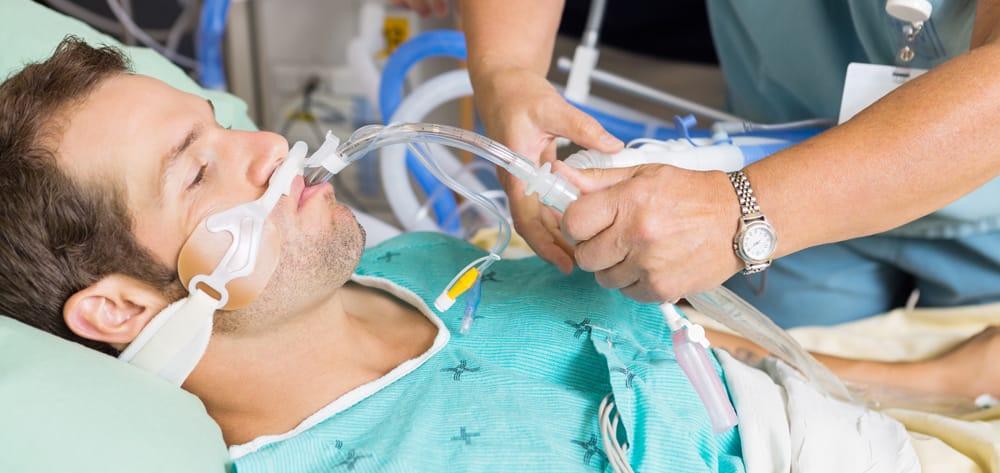
Ventilator support can be essential for patients who cannot breathe adequately on their own because of certain medical conditions, neurological disorders, or serious respiratory illnesses. With appropriate equipment, professional supervision, and a personalized care plan, some patients can receive ventilatory support in the comfort of their homes. Ventilator Care At Home In Dubai helps eligible patients and families explore home-based respiratory care with support from qualified healthcare professionals, including services such as Doctor at Home when clinically appropriate. Understanding how home ventilator care works, what equipment is required, and how caregivers can prepare is important for maintaining patient safety, comfort, and continuity of care.
What Is Ventilator Care at Home:
Ventilator care at home involves using a mechanical ventilator to support or assist a patient's breathing outside a hospital or healthcare facility. A ventilator moves air into the lungs through a breathing interface, which may be a mask or a tracheostomy tube, depending on the patient's medical needs. Some patients require assistance for only part of the day, while others depend on ventilatory support for most or all of their breathing. Home ventilation is suitable only when the patient's condition, equipment, home environment, and available caregiving support have been assessed appropriately. A specialist-led healthcare team develops the care plan, explains the prescribed settings, and arranges monitoring and follow-up. Home ventilation should never be started or adjusted without professional assessment and guidance.
Who May Need Ventilator Care at Home:
Home ventilator support may be considered for patients with conditions that affect their ability to breathe effectively or maintain adequate ventilation. These may include certain neuromuscular disorders, spinal cord injuries, chronic respiratory conditions, and some cases of prolonged ventilator dependence after hospitalization. The type and duration of support vary considerably, so not every patient with breathing difficulties needs a ventilator. Some patients may require non-invasive ventilation through a mask, while others need invasive ventilation through a tracheostomy. A specialist determines the appropriate approach by evaluating the patient's diagnosis, breathing function, overall health, and care requirements. Before arranging home ventilation, families should discuss the following with the healthcare team:
-
The reason ventilation is required and the expected treatment goals.
-
Whether support is needed continuously or at specific times.
-
The equipment and supplies required for daily care.
-
The training caregivers must complete.
-
Emergency procedures and arrangements for follow-up care.
A clear plan helps families understand the responsibilities involved before the patient transitions home.
Essential Equipment for Home Ventilator Care:
Safe home ventilation requires more than a ventilator alone. Depending on the patient's condition and prescribed setup, the care team may recommend additional equipment to support breathing, monitoring, hygiene, and emergency preparedness. The ventilator must be suitable for the patient's needs and configured by qualified professionals. Some patients may need a humidification system, a pulse oximeter, suction equipment, or a backup power supply. Patients with tracheostomies may require specific airway-care supplies and equipment for managing secretions. Equipment needs differ, so families should follow the clinical team's recommendations rather than purchasing devices independently. Common equipment and supplies may include:
-
A prescribed ventilator and compatible breathing circuit.
-
The appropriate mask or tracheostomy interface.
-
Monitoring equipment, such as a pulse oximeter, when advised.
-
Humidification equipment and replacement supplies when prescribed.
-
Suction equipment for patients who need secretion management.
-
Backup power arrangements and emergency supplies recommended by the care team.
All equipment should be maintained according to manufacturer instructions, with technical servicing handled by qualified providers.
The Role of Nurses in Home Ventilator Care:
Skilled nurses can play an important role in supporting patients who depend on mechanical ventilation at home. Depending on their qualifications and the care plan, they may monitor the patient's condition, observe breathing patterns, provide prescribed tracheostomy care, assist with secretion management, and identify changes that require clinical attention. Nurses can also reinforce infection-prevention practices and help families understand the equipment's alarms and routine checks. Their responsibilities should be clearly defined by the treating clinician and home healthcare provider. Ventilator settings and other clinical adjustments must be handled only by appropriately authorized professionals. Regular communication between nurses, respiratory specialists, physicians, and caregivers helps ensure that concerns are addressed promptly and the patient's care remains consistent.
Maintaining Hygiene and Preventing Infections:
Hygiene is essential for patients receiving ventilator support because respiratory equipment and airway devices require careful handling. The exact cleaning and replacement schedule depends on the device, circuit, interface, and clinical instructions. Caregivers should perform hand hygiene before and after providing care, use the recommended protective equipment when necessary, and follow the healthcare team's procedures for cleaning reusable components. Patients with tracheostomies need individualized guidance on stoma care and secretion management. Families should not improvise cleaning methods or use unapproved products on equipment. Helpful infection-prevention practices include:
-
Washing or sanitizing hands before handling respiratory equipment.
-
Following the manufacturer's cleaning and replacement instructions.
-
Keeping supplies in a clean, dry storage area.
-
Avoiding unnecessary disconnection of the ventilator circuit.
-
Reporting fever, unusual secretions, redness around a tracheostomy site, or worsening respiratory symptoms.
Professional instruction helps caregivers carry out routine tasks while reducing avoidable risks.
Preparing the Home for Ventilator Support:
Preparing the home is an important step before a patient begins receiving ventilation outside a healthcare facility. The room should provide sufficient space for the ventilator, supplies, and caregivers to work safely. Electrical outlets and backup power arrangements should be reviewed, particularly if the patient depends on continuous ventilation. The care team should assess practical issues such as equipment access, ventilation, cleanliness, and safe movement around the bed. Families should also understand what to do if the ventilator stops working, an alarm sounds, or electricity is interrupted. Keep emergency contact details accessible and ensure that essential backup equipment is available as recommended by the clinical team. A written emergency plan should explain whom to contact, how to respond to common equipment problems, and when emergency services are needed.
Supporting Patient Comfort and Daily Well-Being:
Although ventilator care can involve complex medical needs, patient comfort and dignity should remain central to the care plan. Families and caregivers can help maintain a calm environment, support communication, and assist with personal care according to the patient's abilities and clinical instructions. Repositioning, skin care, nutrition, hydration, and mobility should be managed in line with the treating team's recommendations. Patients who cannot speak easily because of their breathing interface may benefit from communication aids or agreed signals. Emotional support is also important, as long-term respiratory support can be challenging for patients and families. Caregivers should discuss sleep difficulties, discomfort, anxiety, or changes in daily functioning with the healthcare team rather than adjusting ventilator settings themselves.
Recognizing Emergencies During Home Ventilator Care:
Families must know how to recognize urgent problems and follow the patient's individualized emergency plan. Warning signs can include severe breathing difficulty, blue or grey lips, sudden confusion, reduced responsiveness, or an unexpected change in the patient's condition. Ventilator alarms may indicate a problem with the circuit, airway, equipment, or the patient's breathing, so caregivers should receive specific training on how to respond to the alarms relevant to their device. If the patient has severe symptoms, is not breathing adequately, or becomes unresponsive, call local emergency services immediately and follow the trained emergency procedures. Do not silence alarms without understanding the cause, change settings without authorization, or delay emergency care while trying to troubleshoot a serious problem.
Benefits of Professional Ventilator Care at Home:
For appropriately selected patients, home ventilation may support continuity of care in a familiar environment and allow closer involvement of family members in daily routines. Professional support can help caregivers manage equipment, recognize warning signs, and follow the prescribed care plan with greater confidence. It may also reduce the need for some routine journeys to healthcare facilities, depending on the patient's condition and available services. However, home ventilator care is complex and may require trained caregivers, reliable equipment, backup arrangements, and ongoing clinical oversight. Families considering Ventilator Care At Home In Dubai should ask providers about staff qualifications, care coverage, emergency response procedures, equipment support, and coordination with the patient's specialist. A detailed assessment helps determine whether home ventilation can be provided safely for the individual patient.
Final Thoughts.
Ventilator care at home can be an important option for patients who need ongoing breathing support and meet the clinical and practical requirements for home-based treatment. Safe care depends on the right equipment, qualified healthcare professionals, trained caregivers, infection-prevention practices, and a clear emergency plan. Families should understand the patient's individual needs and know how to respond to equipment alarms or changes in breathing. Ventilator settings must only be managed by appropriately authorized professionals, and urgent symptoms require prompt medical attention. With careful planning and coordinated support, Ventilator Care At Home In Dubai may help eligible patients receive respiratory assistance in a familiar environment while maintaining safety, comfort, and dignity.

 English
