


Ventilator Care at Home: A Complete Guide for Patients and Families
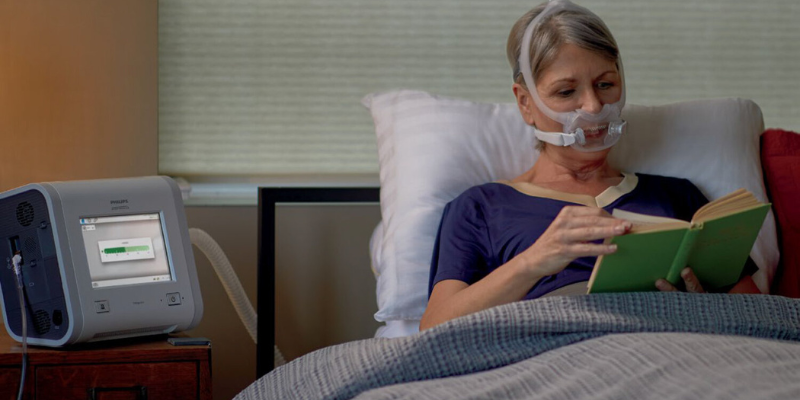
Ventilator support can help people with serious respiratory conditions receive essential breathing assistance while remaining in a familiar home environment. Ventilator Care At Home In Dubai provides a structured approach to supporting patients who depend on mechanical ventilation, with professional monitoring and family involvement playing important roles. A Doctor at Home service can also help coordinate medical assessments when appropriate, while trained caregivers and nurses focus on daily respiratory support, comfort, hygiene, and safety.
Understanding Ventilator Care at Home:
Ventilator care at home involves providing continuous or scheduled respiratory support to a patient outside a hospital setting. A mechanical ventilator assists breathing when the lungs or respiratory muscles cannot provide adequate ventilation independently. Home care may be considered for patients whose condition is stable enough for discharge and whose families can maintain an appropriate care environment. The care plan is generally developed by the patient's medical team and may include nursing support, equipment management, airway care, medication administration, nutrition assistance, and regular clinical follow-ups.
Who May Need Ventilator Care at Home:
Patients with different medical conditions may require mechanical ventilation for short-term or long-term support. The decision depends on respiratory function, overall health, treatment goals, and medical stability. Some patients transition home after prolonged hospitalization, while others may require ventilation because of chronic respiratory or neuromuscular conditions. Before beginning home care, healthcare professionals should evaluate whether the home environment, caregivers, equipment, and emergency arrangements are suitable for the patient's needs.
Common situations that may involve home ventilation include:
-
Chronic respiratory disorders requiring ongoing support
-
Neuromuscular conditions affecting breathing muscles
-
Recovery following serious respiratory illness
-
Long-term ventilation following intensive care
-
Certain conditions involving impaired airway protection
-
Patients requiring ventilation through a tracheostomy
Preparing the Home for Ventilator Support:
A suitable home environment is essential for safe ventilator care. The patient's room should provide adequate space for the ventilator, oxygen equipment if prescribed, suction devices, monitoring equipment, and other necessary supplies. Electrical outlets should be accessible, and families should understand what backup arrangements are required if the electricity fails. The area should also be clean, well ventilated, and organized to reduce unnecessary movement around medical equipment. Professional healthcare providers can help families understand how equipment should be positioned and maintained according to the patient's prescribed care plan.
Daily Ventilator Care Routine:
A consistent routine can make home ventilation easier to manage. Caregivers and nurses may monitor the patient's breathing pattern, comfort, airway secretions, skin condition, and equipment function. The ventilator should be used exactly as prescribed, and settings should not be changed without direction from the treating medical team. Airway and respiratory equipment should be checked regularly, while supplies should be stored cleanly and replaced according to professional instructions. Maintaining a written care schedule can help families coordinate feeding, medication, repositioning, hygiene, respiratory treatments, and medical appointments.
A daily checklist may include:
-
Checking ventilator connections and tubing
-
Observing breathing and overall comfort
-
Monitoring prescribed oxygen levels when applicable
-
Providing airway and suction care as instructed
-
Maintaining equipment cleanliness
-
Repositioning the patient when appropriate
-
Recording important observations
-
Checking that essential supplies are available
Airway and Suction Care:
Many ventilated patients produce airway secretions that can interfere with comfortable breathing or equipment function. Suctioning may therefore form part of the prescribed care plan, particularly for patients with a tracheostomy. It should only be performed by appropriately trained caregivers or healthcare professionals following the patient's clinical instructions. Proper hand hygiene, clean equipment, and correct technique are important for reducing infection risks and avoiding unnecessary airway irritation. Families should receive practical training before attempting any respiratory procedure themselves and should know when professional assistance is required.
Monitoring Ventilator Equipment:
Ventilator equipment requires regular attention because dependable operation is essential for patients who rely on mechanical respiratory support. Caregivers should understand the meaning of the alarms associated with the specific ventilator being used and know the appropriate response described by the healthcare team. Tubing, connections, filters, humidification systems, power supplies, and other components may require routine checks or replacement. Families should keep emergency contact information and essential backup supplies readily accessible. Equipment maintenance should follow the manufacturer's instructions and the healthcare provider's recommendations.
Recognizing Potential Warning Signs:
Changes in a ventilated patient's condition should be taken seriously. Caregivers should know the warning signs identified by the patient's medical team and understand when emergency medical attention is necessary. New or worsening breathing difficulty, unusual changes in alertness, significant changes in skin or lip color, persistent fever, abnormal secretions, or repeated ventilator alarms may require prompt assessment. A sudden equipment problem can also become an emergency for a patient who depends on ventilation. Families should have a clearly written emergency plan and know which healthcare service to contact when concerns arise.
Preventing Infection at Home:
Infection prevention is an important part of ventilator care because respiratory equipment and airways require careful handling. Hand hygiene should be performed before and after patient care, and reusable equipment should be cleaned according to professional and manufacturer instructions. The patient's surroundings should be kept clean, while unnecessary exposure to people with contagious illnesses should be minimized. Caregivers should also monitor for changes such as fever, increased secretions, unusual mucus color, coughing changes, or other symptoms identified by the treating team.
Important infection-control practices include:
-
Washing hands before respiratory care
-
Keeping equipment clean and organized
-
Following recommended equipment replacement schedules
-
Maintaining a clean patient-care area
-
Avoiding unnecessary exposure to infections
-
Reporting concerning symptoms promptly
Nutrition, Hydration, and Positioning:
Patients receiving ventilator support may have additional nutritional and positioning needs. Their care team may recommend specific feeding methods, fluid requirements, and positioning techniques based on their condition. Proper positioning can support comfort and may assist with respiratory management, while regular repositioning can help reduce pressure-related skin problems in patients with limited mobility. Nutrition and hydration should follow the individualized plan provided by qualified healthcare professionals rather than relying on general recommendations.
The Role of Professional Home Nursing:
Professional nursing support can make complex ventilator care more manageable for patients and families. Trained nurses can assist with respiratory monitoring, airway care, equipment checks, medication routines, hygiene, repositioning, and communication with the broader medical team. They can also help caregivers understand the patient's daily routine and identify changes that should be reported. The exact level of nursing support depends on the patient's medical needs, ventilation schedule, stability, and care plan.
Supporting Family Caregivers:
Family members often play an important role in home-based respiratory care, but they should not be expected to manage complex responsibilities without appropriate education and support. Caregivers can benefit from clear instructions about the ventilator, emergency procedures, hygiene, airway care, medication schedules, and signs of deterioration. Sharing responsibilities between family members and professional caregivers may also make the routine more sustainable. Emotional support is equally important because caring for a person who depends on mechanical ventilation can require significant time, attention, and organization.
Creating an Emergency Preparedness Plan:
Every household caring for a ventilated patient should have a practical emergency plan. The plan should address power interruptions, ventilator malfunction, oxygen supply issues when applicable, airway emergencies, and sudden changes in the patient's condition. Families should keep emergency numbers, medical information, medication details, equipment instructions, and backup supplies in an accessible location. The treating healthcare team can help determine which backup equipment and procedures are appropriate for the individual patient.
Regular Medical Follow-Up:
Home ventilation does not replace medical supervision. Patients should attend scheduled follow-ups so healthcare professionals can assess respiratory status, nutrition, medications, equipment needs, and overall progress. The ventilator settings or care plan may need adjustment as the patient's condition changes. Families should keep accurate records of relevant symptoms, alarms, treatments, and concerns so these can be discussed during appointments. Regular communication helps the healthcare team make informed decisions about ongoing care.
Final Thoughts:
Ventilator Care At Home In Dubai can provide a structured way to support eligible patients outside the hospital while maintaining professional oversight and family involvement. Successful home ventilation requires appropriate equipment, trained caregivers, consistent hygiene, airway management, emergency preparation, and regular medical follow-up. Families should work closely with qualified healthcare professionals and follow the individualized care plan rather than making independent changes to ventilator settings or respiratory treatments. With proper preparation and dependable support, home care can help create a safer, more organized, and comfortable environment for patients who require mechanical ventilation.

 English
