


Canada Livestock Traceability Software Advances Farm Data Management
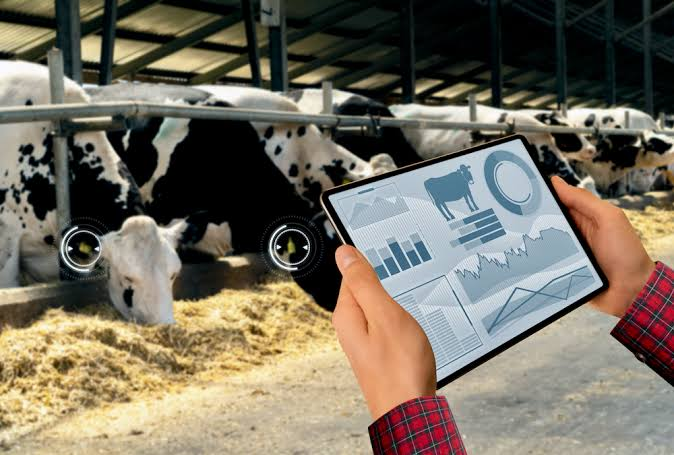
Livestock traceability software is becoming an important digital tool for recording animal identities, locations, movements, health information, and related supply-chain data. The technology can help producers, veterinarians, processors, transporters, and other stakeholders organize records that support animal management and regulatory reporting. As livestock operations become more data-driven, software platforms are increasingly being used to connect identification systems with centralized records, automated reporting, analytics, and digital farm-management workflows.
A recent study by Markntel Advisor highlights that the Canada livestock traceability software sector was valued at USD 55 million in 2025. It is projected to reach USD 61 million in 2026 and nearly USD 114 million by 2032, registering a CAGR of 10.98% during 2026–2032. Expansion reflects the growing need for accurate livestock records, regulatory compliance, disease-response capabilities, digital farm management, and connected data systems across Canada's animal agriculture sector.
Digital Records Strengthen Animal Identification
Livestock traceability depends on accurate information about individual animals and the locations where they are kept or moved. Software can help producers organize identification numbers, animal histories, premises information, movement records, and other relevant data within a centralized system.
The Canadian Food Inspection Agency's livestock traceability framework identifies three basic elements of traceability: animal identification, premises identification, and animal movement. These elements help stakeholders follow an animal or group of animals from one point in the supply chain to another and support responses to animal-health and food-safety events.
Disease Management Drives Traceability Adoption
Animal traceability plays an important role during disease outbreaks because authorities need to identify affected animals, determine where they have been, and locate other animals or premises that may have been exposed.
The CFIA states that traceability information can help reduce response times during emergencies involving disease outbreaks, food-safety issues, and natural disasters. Faster access to accurate animal and location records can help stakeholders identify potential exposure pathways and support targeted response measures. This makes digital traceability systems relevant not only for compliance but also for broader animal-health management.
Premises Identification Connects Farm Data
Premises identification is another important component of Canada's traceability framework. A premises can include a farm or another location where livestock are kept, assembled, or disposed of. Each identified premises receives a unique identification number that can be used when reporting animal movements.
The CFIA explains that premises identification links livestock and poultry to specific locations and supports disease control and emergency management. The national premises identification system also connects provincial and territorial identification systems with livestock traceability administrators, creating opportunities for software platforms to organize location-based animal information.
Cattle Records Create Software Requirements
Cattle represent an important application area for traceability technology because identification and movement records must remain connected throughout the animal's lifecycle. Approved identification indicators provide a unique reference that can be associated with digital records containing information about the animal and its movements.
Current CFIA guidance states that cattle must generally be identified with an approved indicator before leaving their farm of origin. When cattle arrive at another site, information such as the departure and arrival premises, dates, identification numbers, and conveyance details may need to be reported. Software can help producers and other operators organize these records and reduce manual administrative work.
Automated Reporting Improves Operational Efficiency
Manual recordkeeping can require producers to maintain information across paper documents, spreadsheets, identification systems, and separate administrative platforms. Traceability software can consolidate these records and automate selected reporting workflows.
Digital platforms can also provide reminders for required actions, flag missing information, organize animal movement histories, and create reports for authorized stakeholders. These capabilities can reduce repetitive administrative tasks while helping operators maintain more consistent records.
Connected Data Supports Supply Chain Visibility
Livestock moves through multiple stages, including farms, feedlots, assembly points, transport operations, veterinary facilities, and processing facilities. Each movement can create additional information that needs to remain connected with the animal's identity and premises history.
Software systems can connect these records to create a more complete digital view of the livestock supply chain. The CFIA's traceability framework emphasizes the importance of animal identification, premises identification, and movement information, creating a clear foundation for connected digital recordkeeping.
RFID and Digital Identification Expand Capabilities
Electronic identification technologies can improve the speed and accuracy of livestock data collection. RFID-enabled identification can allow animal information to be captured digitally rather than entered manually, helping reduce transcription errors and supporting faster movement recording.
When connected with farm-management software, electronic identification can also link animal records with feeding, breeding, health, weight, vaccination, and movement information. This creates opportunities for producers to use traceability data for operational decisions in addition to regulatory requirements.
Data Accuracy Becomes More Important
The usefulness of traceability software depends heavily on data quality. Missing animal identification numbers, incorrect premises information, delayed movement reporting, or duplicate records can reduce the value of digital systems.
Software providers therefore need to focus on validation tools, user-friendly data entry, system integrations, secure storage, and automated error detection. Connecting traceability platforms with existing farm-management systems can also help reduce duplicate data entry and improve consistency across operational records.
Regulatory Requirements Shape Software Development
Canada's livestock traceability requirements continue to influence how producers and other supply-chain participants manage identification and movement information. The CFIA notes that federal requirements operate alongside provincial and territorial requirements, creating a need for software that can accommodate different administrative environments.
The CFIA's livestock identification and traceability requirements provide guidance on identification and reporting obligations for livestock producers. Software platforms that simplify compliance-related workflows can therefore provide practical value to producers managing increasingly complex recordkeeping responsibilities.
Digital Traceability Shapes Future Development
Canada's livestock traceability software sector is moving toward more connected, automated, and data-driven animal-management systems. The projected increase from USD 61 million in 2026 to nearly USD 114 million by 2032 reflects growing requirements for digital identification, movement reporting, disease preparedness, regulatory compliance, and operational visibility.
Future development will remain connected with RFID and electronic identification, cloud-based records, automated reporting, farm-management integration, data analytics, and secure information exchange. As Canada's livestock sector continues adopting digital tools, traceability software can become an increasingly important link between individual animal records, farm operations, regulatory systems, and the wider agricultural supply chain.

 French
