


I Thought Block Blast Would Be Easy—Then My Board Started Tricking Me
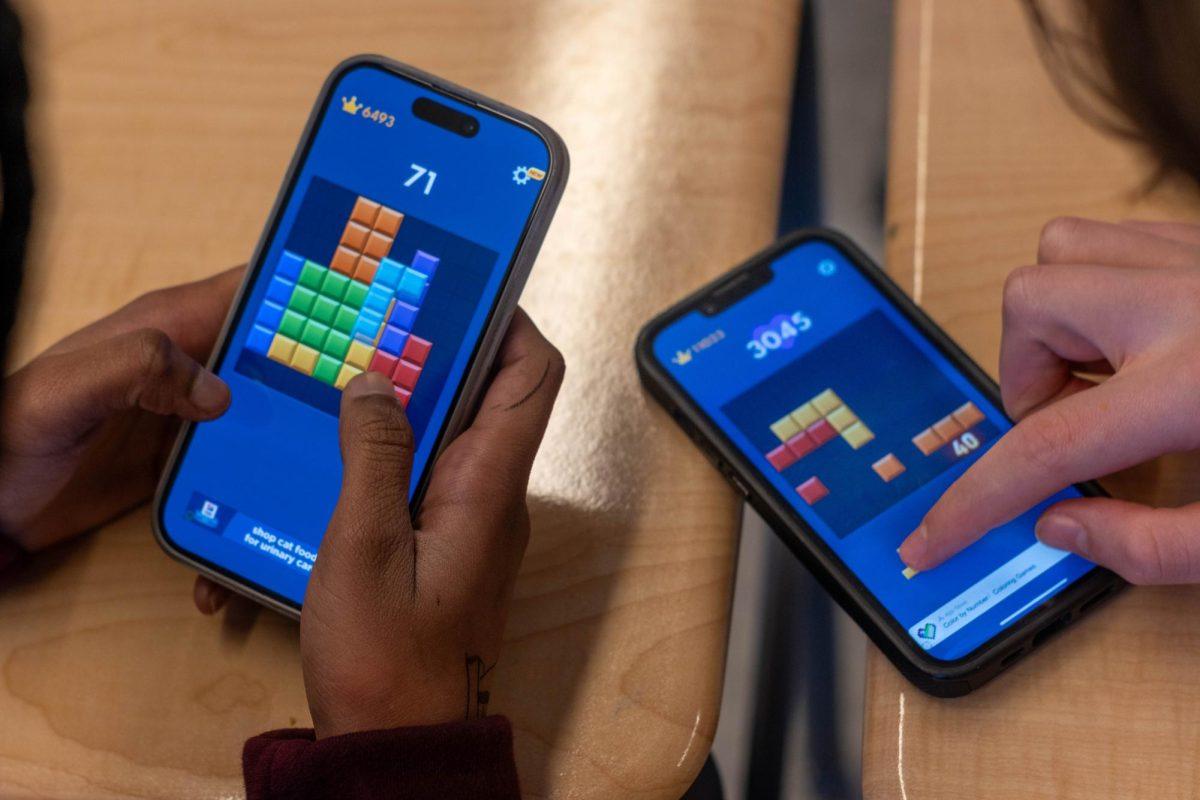
The first time I tried Block Blast , I genuinely thought it would be one of those light, no-pressure puzzle games I could finish between tasks. You know the vibe: colorful blocks, a simple board, quick wins. I even remember chuckling at how straightforward it looked—drag a piece, place it, clear a line, repeat. Easy.
But after a few rounds, something shifted. The game stopped feeling like a series of obvious choices and started feeling like a slow, careful negotiation with my own future mistakes. The board looks relaxed at the start, yet it has this sneaky way of filling up—until suddenly every empty space feels like it has consequences.
Discovering Block Blast: the “obvious” first moves
What hooked me right away was how Block Blast game play feels at the beginning. You get a handful of block shapes and place them on the grid using drag-and-drop. Completing a full horizontal row or vertical column clears those cells, which makes progress feel satisfying and immediate.
Early on, I’d place what looked like the most sensible piece—sometimes almost automatically. If a placement seemed like it would help, I’d go for it. I wasn’t thinking far ahead because I didn’t feel like I needed to.
And then the first moment of regret hit. I remember thinking, “This is clearly the right spot,” dropping a block into what felt like a clean area… and realizing a moment later that I’d just traded a small convenience for a much bigger problem. I hadn’t opened up space as much as I thought. I’d basically built a little bottleneck for myself.
The board fills up, and planning becomes real
One thing I didn’t expect: Block Blast gets challenging in a very specific way. The board doesn’t just fill randomly—it fills with your choices. The game doesn’t use falling pieces, and since pieces can’t be rotated, every decision is based on the shape and orientation you’re given. That restriction sounds simple on paper, but in practice it makes placement feel tense once you’re a little short on room.
It also made me rethink what “good strategy” means. Keeping space open isn’t just helpful—it’s important. If you let the board get cluttered, you end up with those awkward situations where everything that’s left is almost fit… except it isn’t. Small isolated gaps can become surprisingly difficult to fill, and after a while you start to recognize the danger signs. That little empty pocket near the edge? It might look harmless now, but it can turn into a problem later when the remaining pieces don’t match.
Another thing I enjoyed learning: sometimes a single placement clears multiple rows or columns, and that can completely flip the momentum. I’d place something carefully, expecting a modest clear… and then suddenly lines vanished in a way that felt like getting away with something. Those moments made me lean back into thinking several moves ahead.
Starting another round (because “one more game” is a trap)
There’s no countdown timer, which is honestly a big part of why I keep coming back. In other games, I feel rushed—like I’m guessing because the clock will punish me. With Block Blast, I can take a breath. I can stare at the board for a second and actually try to predict how the next available pieces might fit.
And still, the game tricks me. I’ll tell myself I’m being patient, then I’ll place an “easy” block too quickly just because it seems like it will clear something. Sometimes that works out. Sometimes it turns into me staring at the grid later thinking, “I really should’ve saved that space.”
Mistakes I made—and what I learned
My biggest mistake early on was treating each placement like an isolated win. I’d chase a quick clear instead of asking a better question: Does this placement preserve flexible open space?
I also made the classic rookie error of accidentally creating an awkward little gap—one of those tiny spaces that looks fillable… right until it isn’t. After that, I started paying more attention to the overall “shape” of the board, not just the immediate row or column I could complete.
Eventually I realized planning several moves ahead matters a lot—not in a grand chess-master way, but in a practical, everyday way. If I think one or two steps beyond the current placement, I’m more likely to avoid painting myself into a corner.
A few casual tips that actually helped me
The biggest help was getting into the habit of considering the available pieces as a group before I make my first move. When I stopped treating them separately, placements felt less random.
I also started prioritizing open areas—especially bigger zones where future pieces have room to breathe. And when I could see a multi-line clear coming, I’d get excited… but not at the expense of long-term space.
Finally, I learned to accept that “almost fits” is where trouble lives. If a placement creates multiple nearly-dead spaces, it’s probably risky.
Conclusion: try Block Blast, and let’s see who keeps the board open longer
I still like Block Blast because it feels simple at first, then becomes unexpectedly strategic once the grid starts filling up. It’s the kind of block puzzle game where you’ll make a bad decision, get stuck, and then suddenly understand why planning a few moves ahead makes all the difference.
So if you’re curious, go try it. Take your time, watch how the board changes, and see how long you can keep things open. And if you want, tell me how your run goes—because I’m definitely still learning. We can even “play together” in a friendly way, trade moments where the board betrayed us, and compare who can keep the next piece fit for one more move.

 French
