


Tube Feeding at Home: A Complete Guide for Patients and Caregivers
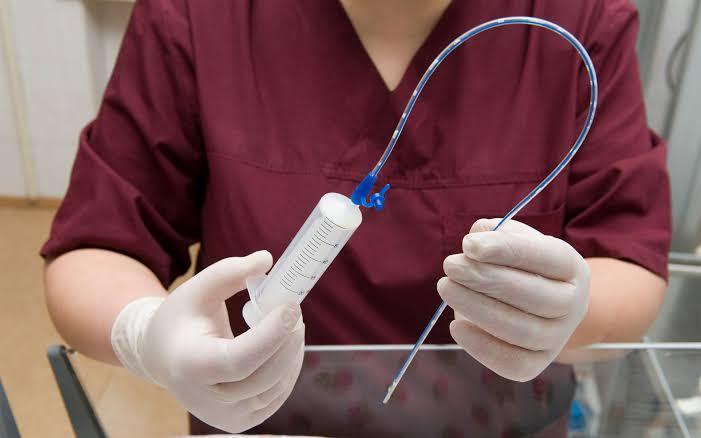
Tube feeding can make it possible for patients to receive essential nutrition, fluids, and prescribed medications when eating or swallowing normally is difficult. For families searching for Tube feeding at home in Dubai, understanding how enteral feeding works can make daily care more organized and reassuring. With appropriate training, a clear feeding plan, and ongoing medical supervision, caregivers can learn how to manage feeding equipment and recognize potential problems. Doctor at Home services may also provide convenient clinical support when patients need professional assessment without unnecessary travel. Tube feeding plans should always be individualized by the patient’s healthcare team, dietitian, or nutrition specialist.
What Is Tube Feeding at Home:
Tube feeding, also called enteral nutrition, delivers specially prepared nutrition directly into the stomach or small intestine through a feeding tube. It may be recommended when a person cannot consume enough food or fluids safely by mouth because of illness, surgery, neurological conditions, swallowing difficulties, or other medical circumstances. Common tubes include nasogastric (NG), gastrostomy (G-tube or PEG), nasojejunal (NJ), and jejunostomy tubes. The healthcare team determines which tube and feeding method are appropriate based on the patient’s medical condition and nutritional requirements. At home, feeding may be delivered continuously using a pump or at prescribed intervals as bolus feeding, depending on the tube type and clinical plan.
Who May Need Home Tube Feeding:
Home tube feeding may benefit patients who have difficulty meeting their nutritional or hydration needs through normal eating and drinking. The decision should come from a qualified healthcare team after assessing swallowing ability, digestive function, nutritional status, medical history, and expected duration of feeding. Patients recovering from certain surgeries, those with neurological or swallowing disorders, and people who cannot consume sufficient calories orally may require enteral nutrition. A dietitian generally establishes the type and amount of formula, while nurses and other healthcare professionals teach patients and caregivers how to use and care for the tube safely.
Preparing for Tube Feeding at Home:
Preparation is an important part of safe home tube feeding. Before beginning treatment at home, caregivers should receive practical training and understand the prescribed feeding schedule, formula, equipment, water-flushing instructions, medication administration, and tube-care routine. It is also useful to organize supplies in a clean, accessible location and keep contact information for the healthcare team readily available. Important preparation steps include:
-
Confirming the prescribed feeding schedule and formula
-
Learning how to operate the feeding pump, if one is used
-
Understanding tube-flushing instructions
-
Learning how prescribed medications should be administered
-
Checking supplies and equipment before use
-
Knowing whom to contact when problems occur
How to Give Tube Feeding Safely:
Safe administration begins with following the individual feeding plan rather than changing the volume, formula, rate, or timing without professional advice. Caregivers should wash their hands, check the feeding equipment, use the prescribed formula, and follow instructions for tube position and flushing that apply to the specific tube. Patients should generally be positioned as instructed by their healthcare team during feeding to reduce the risk of complications. For pump feeding, the prescribed rate and duration should be followed carefully. Bolus feeding should only be used when specifically recommended because some tubes that end in the small intestine may require a different feeding method.
Tube Care and Preventing Blockages:
Regular tube care helps reduce preventable complications. Flushing the tube at the times recommended by the healthcare team can help maintain tube patency, particularly before and after feeds or medications. Only appropriate formula, fluids, and liquid medications should be placed through the tube unless a healthcare professional has specifically instructed otherwise. Caregivers should never forcefully push against resistance when a tube appears blocked. Keeping the tube and surrounding skin clean and observing the tube site regularly can also help identify problems early.
Common Problems and Warning Signs:
Although many patients successfully manage tube feeding at home, complications can occur and should be taken seriously. Mild symptoms such as temporary bloating or nausea may require discussion with the dietitian or nutrition team, particularly if they persist or interfere with feeding. More concerning signs can include significant vomiting, breathing difficulties, severe abdominal pain, unusual bleeding, suspected tube displacement, persistent diarrhea, dehydration, or signs of infection around a gastrostomy site. A tube that becomes displaced or accidentally comes out may require prompt professional attention. Caregivers should keep emergency and healthcare contact information available rather than attempting unfamiliar procedures themselves.
Nutrition, Hydration, and Medications:
The nutritional formula used for tube feeding is selected according to the patient’s nutritional needs and medical condition. It may provide calories, protein, fats, carbohydrates, vitamins, minerals, and fluids in a carefully calculated amount. Hydration requirements should also be included in the overall care plan. Medications require particular attention because not every medicine is suitable for administration through a feeding tube, and some formulations can contribute to blockage or may not work correctly when altered. Patients and caregivers should therefore ask their doctor or pharmacist how each prescribed medication should be given rather than crushing or mixing medicines independently.
Making Tube Feeding Part of Daily Life:
A well-organized routine can make home enteral feeding easier for both patients and caregivers. Keeping a written schedule can help track feeds, water flushes, medications, symptoms, and equipment needs. Caregivers can also prepare supplies in advance while maintaining appropriate hygiene and storage practices. If feeding uses a pump, learning how to troubleshoot basic alarms according to the manufacturer’s instructions can reduce unnecessary disruption. Regular follow-up with the healthcare team is important because nutritional needs can change with weight, medical condition, activity level, recovery, and tolerance. Professional home medical support, including Doctor at Home, may be useful when an in-person clinical assessment is needed at home.
When to Seek Professional Help:
Caregivers should contact the patient’s healthcare team when feeding tolerance changes, weight changes unexpectedly, supplies are running low, the tube becomes difficult to use, or there are concerns about the feeding plan. Urgent medical attention may be necessary for serious symptoms such as difficulty breathing, severe or worsening abdominal pain, significant bleeding, suspected aspiration, severe dehydration, or a displaced tube when the caregiver has not been trained to manage the situation. Patients with feeding tubes should have an individualized emergency plan that identifies who to contact and where to seek care. Doctor at Home can be considered for appropriate home-based medical assessment when available and clinically suitable, but emergency symptoms should be handled through emergency medical services.
Final Thoughts
Tube feeding at home can support nutrition, hydration, and medication needs while allowing eligible patients to remain in a familiar environment. Successful home care depends on individualized clinical instructions, proper caregiver training, safe tube handling, appropriate nutrition, and regular follow-up. Families considering Tube feeding at home in Dubai should work closely with qualified healthcare professionals rather than relying on generalized instructions for changes to feeding rates, formulas, medications, or tube management. With a clear routine and reliable clinical support, caregivers can approach daily tube feeding with greater confidence while keeping patient safety at the center of care.

 French
