


Understanding Moral Injury and Its Impact on Veterans
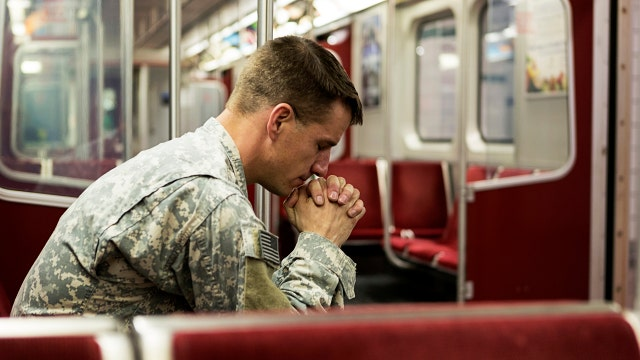
Veterans can carry difficult experiences long after leaving military service. Some struggles are connected to events that challenge their personal values, beliefs, or sense of right and wrong. This experience is often described as moral injury. Veteran coaching can provide a supportive space where veterans explore these experiences, understand their emotional impact, and work toward rebuilding confidence, purpose, and connection in civilian life.
What Is Moral Injury?
Moral injury can develop when a person participates in, witnesses, or feels unable to prevent an event that conflicts deeply with their moral beliefs. For veterans, this may involve difficult decisions made during military service, witnessing suffering, losing fellow service members, or feeling responsible for an outcome that could not be controlled.
Moral injury is different from simply experiencing stress. It can affect how a veteran views themselves, other people, and the world around them. Feelings such as guilt, shame, anger, disappointment, or a loss of trust may become difficult to manage.
Common Signs of Moral Injury
The effects of moral injury can vary from one veteran to another. Some individuals may experience persistent guilt or shame about something that happened during service. Others may become withdrawn or find it difficult to trust people.
A veteran may also question their identity or struggle with thoughts about whether they made the right decisions. Changes in relationships, difficulty finding meaning, emotional numbness, and a strong sense of anger can also occur. Recognizing these experiences can be an important first step toward finding appropriate support.
How Moral Injury Can Affect Daily Life
Moral injury may continue to influence a veteran's life after military service has ended. Personal relationships can become challenging when someone feels disconnected from family or friends. Some veterans may also find it difficult to adjust to civilian environments where responsibilities, communication styles, and expectations are different from military life.
Work and personal goals can also be affected. A veteran who feels disconnected from their values may struggle to identify what they want from the future. Understanding these challenges can help veterans approach their experiences with greater self-awareness rather than judging themselves harshly.
Rebuilding Trust and Personal Meaning
Addressing moral injury often involves understanding what happened, identifying personal values, and finding healthier ways to respond to difficult memories and emotions. Supportive conversations can help veterans recognize that experiencing moral conflict does not automatically define their character.
Reconnecting with meaningful relationships, setting realistic goals, developing healthy routines, and finding opportunities to serve or contribute can also help create a renewed sense of purpose. Progress does not necessarily mean forgetting the past. Instead, it can involve learning how to carry past experiences without allowing them to control the future.
Finding Support After Military Service
Veterans do not have to navigate moral injury alone. Trusted family members, peer-support groups, counselors, mental health professionals, and veteran-focused organizations can provide different forms of assistance. Professional support may be especially helpful when guilt, shame, isolation, anxiety, depression, or traumatic memories begin interfering with everyday life.
A supportive approach should respect each veteran's individual experiences and values. For many people, the goal is not to erase difficult memories but to develop a healthier relationship with those experiences and create a meaningful direction for the future. Veteran coaching can complement other forms of support by helping veterans identify goals, strengthen self-understanding, and build practical steps toward a more purposeful civilian life.

 French
