


Cerebral Palsy Treatment: A Complete Guide for Patients and Families
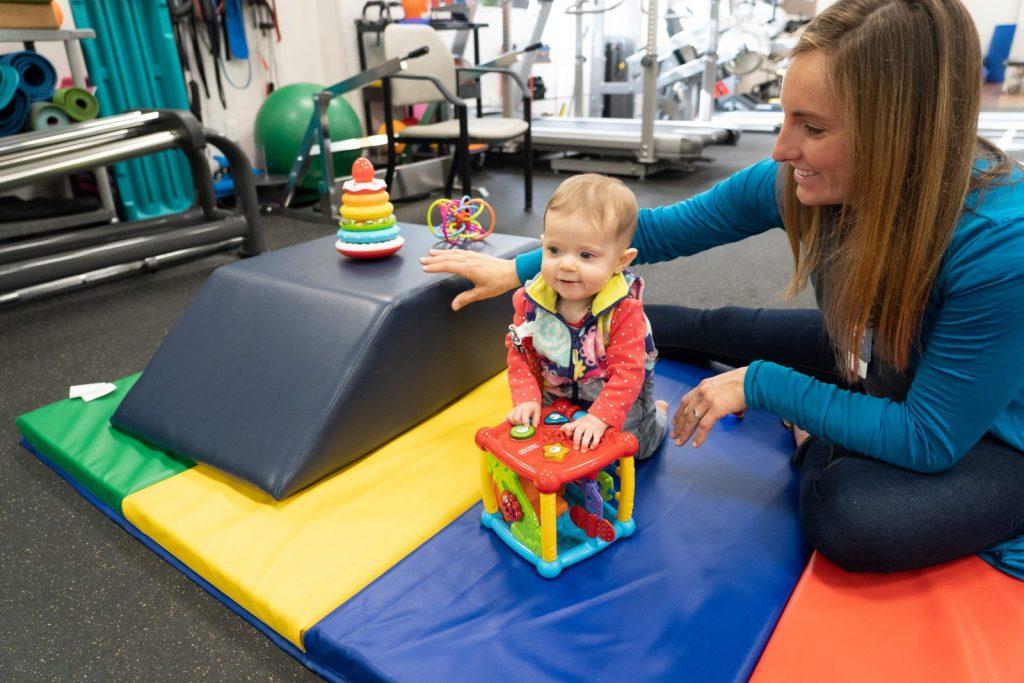
Cerebral palsy is a neurological condition that affects movement, posture, balance, and muscle control, with symptoms varying considerably from one person to another. For families exploring Cerebral Palsy Treatment In Dubai, understanding the available therapies, medical support, rehabilitation options, and daily care strategies can make treatment planning easier. A coordinated healthcare approach, including specialist consultations and services such as Doctor at Home, can help families manage ongoing needs comfortably and consistently. There is currently no cure for cerebral palsy, but early identification and appropriate treatment can improve function, independence, and quality of life.
Understanding Cerebral Palsy and Its Effects:
Cerebral palsy results from abnormal development or damage to the developing brain that affects the body's ability to control muscles. It can involve stiffness, involuntary movements, poor coordination, or difficulties with balance. Some people may also experience associated challenges involving speech, hearing, vision, seizures, learning, or joints. Because the condition affects individuals differently, treatment should be based on a person's specific symptoms, abilities, age, and goals rather than following one standard approach.
Why Early Treatment Matters:
Early identification and intervention can help children develop skills and address movement or developmental difficulties as soon as possible. Families should discuss concerns about delayed milestones, unusual muscle tone, or movement patterns with a healthcare professional. Depending on the child's needs, early intervention may include physical, occupational, and speech therapy along with family training and assistive technology. Treatment can begin even when a complete diagnosis is still being evaluated, making timely assessment particularly important.
Physical Therapy for Cerebral Palsy:
Physical therapy is an important component of cerebral palsy rehabilitation because it focuses on movement, strength, flexibility, balance, and functional mobility. A physiotherapist may develop exercises and stretching activities designed around the individual's abilities and goals. Therapy can also help maintain joint movement and reduce the risk of muscles becoming shortened or weak. Walking aids, positioning techniques, and orthotic devices may be recommended when appropriate. Regular assessment allows the therapy program to change as the person's needs develop.
Occupational Therapy and Daily Independence:
Occupational therapy focuses on helping people perform everyday activities as independently as possible. Depending on the person's abilities, therapy may address dressing, eating, bathing, writing, using technology, moving around the home, and other practical tasks. Therapists can recommend adaptive equipment or modifications that make daily activities easier and safer. For children, occupational therapy can also support participation in school and play, while adults may receive guidance related to independent living and work-related activities.
Speech, Communication, and Feeding Support:
Some individuals with cerebral palsy experience difficulties with speech, communication, or swallowing. Speech and language therapy can address these challenges through exercises and communication strategies tailored to individual needs. Alternative communication methods may include pictures, sign language, communication boards, or specialized speech-generating technology. Feeding and swallowing concerns should also be evaluated by appropriate professionals because safe nutrition and hydration are important parts of overall health.
Medicines and Managing Muscle Stiffness:
Medication may be considered when symptoms such as significant muscle stiffness, spasms, or other associated difficulties interfere with comfort or daily function. Depending on the individual situation, healthcare professionals may consider medicines such as baclofen or other treatments for muscle stiffness. Botulinum toxin injections may also be used in selected cases to temporarily relax specific muscles. Medication decisions should always be individualized and monitored by the treating medical team because treatment benefits, side effects, and appropriate doses vary from person to person.
Orthopedic Treatment and Surgery:
Some people with cerebral palsy develop musculoskeletal problems involving joints, muscles, bones, or the spine. Braces and orthotic devices may help support positioning and movement. In certain situations, surgery may be considered to address specific movement, muscle, joint, or growth-related problems. Surgery is not appropriate for everyone and should be discussed with the relevant specialists after considering the individual's symptoms, functional goals, risks, recovery requirements, and other treatment options.
Creating a Personalized Treatment Plan:
A cerebral palsy treatment plan generally involves more than one healthcare professional. Depending on individual needs, the care team may include:
- Neurologists or developmental specialists
- Rehabilitation physicians
- Physiotherapists
- Occupational therapists
- Speech and language therapists
- Orthopedic specialists
- Nurses and caregivers
- Nutrition professionals
- Other specialists for associated health concerns
The team can establish goals related to mobility, communication, independence, comfort, education, and participation in everyday activities. Treatment plans should also be reassessed regularly because needs can change throughout childhood and adulthood.
The Role of Families in Cerebral Palsy Care:
Families are an important part of long-term cerebral palsy management. Parents and caregivers can support therapy routines, encourage appropriate physical activity, observe changes in symptoms, maintain appointments, and help the individual use recommended equipment safely. Keeping a record of therapy progress, medications, concerns, and important questions can make healthcare visits more productive. Families should also communicate with the care team when there are new difficulties involving movement, pain, swallowing, sleep, seizures, or other health concerns.
Home-Based Support for Cerebral Palsy:
Home-based support can complement clinic-based treatment by making appropriate care and professional guidance easier to incorporate into everyday routines. Depending on the person's needs, home services may support medication routines, basic monitoring, mobility assistance, personal care, and coordination with the wider treatment plan. A Doctor at Home service may also be useful when a person has difficulty traveling, although it should complement rather than replace specialist rehabilitation and scheduled medical evaluations. Any home program should follow recommendations from the individual's healthcare team.
Helping Children Build Independence:
Treatment should not focus only on reducing symptoms. It should also help children develop practical skills and participate in age-appropriate activities. Parents can encourage independence by allowing children to complete manageable tasks themselves, using adaptive equipment when recommended, and creating a safe environment for movement and learning. Goals should be realistic and individualized, recognizing that progress may occur gradually. Consistent encouragement and collaboration between families, therapists, teachers, and healthcare professionals can support participation at home, school, and in the community.
Supporting Adults With Cerebral Palsy:
Cerebral palsy is a lifelong condition, so treatment and support may continue into adulthood. Adults may need periodic assessments for mobility, pain, joint problems, equipment needs, and changes in independence. Regular follow-up is important because physical and support needs can change with age. Treatment may focus on maintaining function, managing symptoms, supporting independent living, and helping the person participate in work, relationships, recreation, and community activities.
When Families Should Seek Medical Advice:
Families should contact a healthcare professional when there are significant or unexplained changes in movement, muscle tone, pain, swallowing, communication, seizures, or daily functioning. For children, concerns about developmental milestones should be discussed promptly rather than waiting for difficulties to resolve on their own. Healthcare professionals can determine whether additional evaluation, specialist referral, or changes to the treatment plan are appropriate.
Final Thoughts:
Cerebral palsy treatment is a long-term, individualized process that combines rehabilitation, medical care, therapy, assistive equipment, family involvement, and regular reassessment. There is no single treatment that works for every person, so families should work with qualified healthcare professionals to establish realistic goals based on the individual's abilities and needs. With consistent support and appropriate intervention, treatment can focus on improving movement, communication, comfort, independence, and participation in everyday life.

 French
