


Salicylic Acid Serum for Clogged Pores and Acne
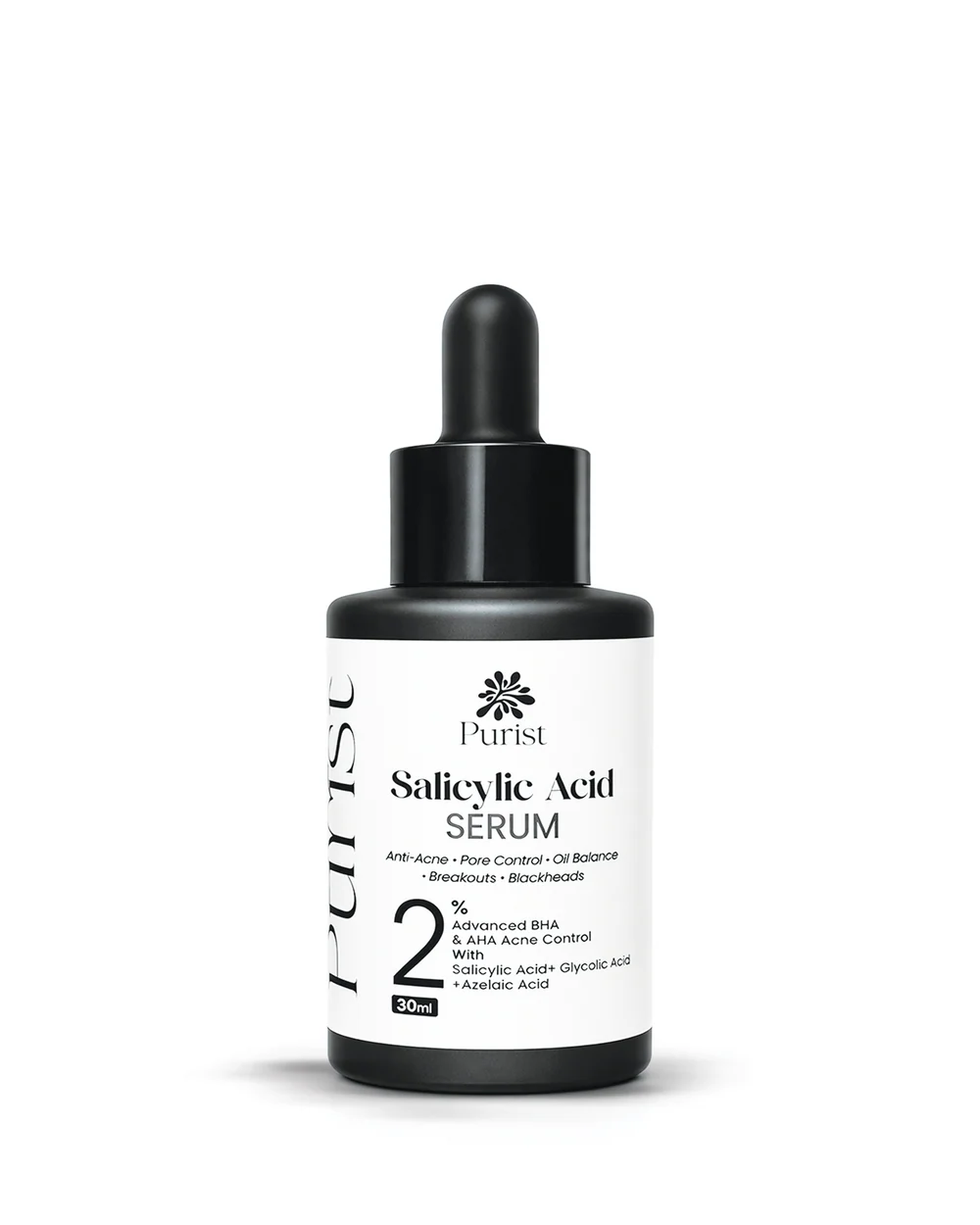
Clogged pores can be frustrating. You wash your face, try to keep your skin clean, and still end up with blackheads, whiteheads, or small breakouts. The problem is that cleansing only removes what sits on the surface. It cannot always clear the oil and dead skin cells trapped inside your pores.
This is where salicylic acid serum in Pakistan can make a difference.
Salicylic acid is a type of beta hydroxy acid (BHA) that can work inside oily pores. It helps loosen the buildup of sebum and dead skin cells that contributes to clogged pores, making it a popular ingredient for oily and acne-prone skin.
Why Do Pores Get Clogged?
Your skin naturally produces oil called sebum. When excess oil mixes with dead skin cells, it can build up inside a pore. Over time, this may lead to blackheads, whiteheads, and acne.
Hormonal changes, naturally oily skin, stress, certain skincare products, and even an unsuitable routine can make congestion worse.
Scrubbing harder is not the answer. In fact, aggressive scrubbing can irritate your skin without properly clearing the buildup inside your pores.
How Does Salicylic Acid Help?
The main advantage of salicylic acid is that it is oil-soluble. This allows it to work through the oil in your pores and loosen the buildup inside them.
With regular use, a salicylic acid serum can help:
-
Clear clogged pores
-
Reduce blackheads and whiteheads
-
Control excess oil
-
Improve rough skin texture
-
Reduce the frequency of some breakouts
It will not make your pores disappear. Pores are a normal part of skin. But keeping them clear can make them look less noticeable.
How to Use Salicylic Acid Serum
If you are new to salicylic acid, start slowly.
Cleanse your face with a gentle cleanser and pat your skin dry. Apply a small amount of serum as directed on the product, then follow with a moisturizer.
Start with two or three applications per week. If your skin handles it well, you can gradually increase how often you use it.
There is no need to apply extra serum because you want faster results. Too much can leave your skin dry, irritated, or flaky.
During the day, use sunscreen as part of your routine.
Can You Use It for Oily and Acne-Prone Skin?
Yes. Salicylic acid is particularly useful for oily and combination skin because it works well with the type of pore congestion caused by excess sebum.
If your main concerns are blackheads, whiteheads, clogged pores, or recurring small breakouts, it can be a useful addition to your routine.
Dry or sensitive skin can also sometimes tolerate salicylic acid, but you may need to use it less often and pay closer attention to irritation.
Don't Overdo It
One of the most common mistakes is combining too many active ingredients.
If you already use retinol, glycolic acid, lactic acid, or strong acne treatments, adding salicylic acid without adjusting your routine may cause unnecessary irritation.
You also do not need a harsh scrub alongside it. A gentle cleanser and moisturizer are usually enough to support the skin while the serum does its job.
If your skin starts burning, becomes very red, or develops persistent peeling, stop using the serum and let your skin recover.
How Long Does Salicylic Acid Take to Work?
Don't expect clear skin after one or two applications.
You may notice smoother skin fairly quickly, but clogged pores and recurring breakouts take time to improve. Give your routine several weeks of consistent use before deciding whether the product works for you.
And remember, the goal isn't perfectly poreless skin. The realistic goal is clearer pores, fewer clogged areas, and smoother-looking skin.
The Bottom Line
A good salicylic acid serum can be a simple addition to an acne-prone skincare routine. By helping loosen oil and dead skin cells inside pores, it can improve congestion, blackheads, whiteheads, and uneven texture over time.
Start slowly, keep the rest of your routine gentle, and give your skin time to respond. With skincare, consistency usually beats doing too much at once.

 English
