


How Caregivers at Home Support Daily Patient Needs
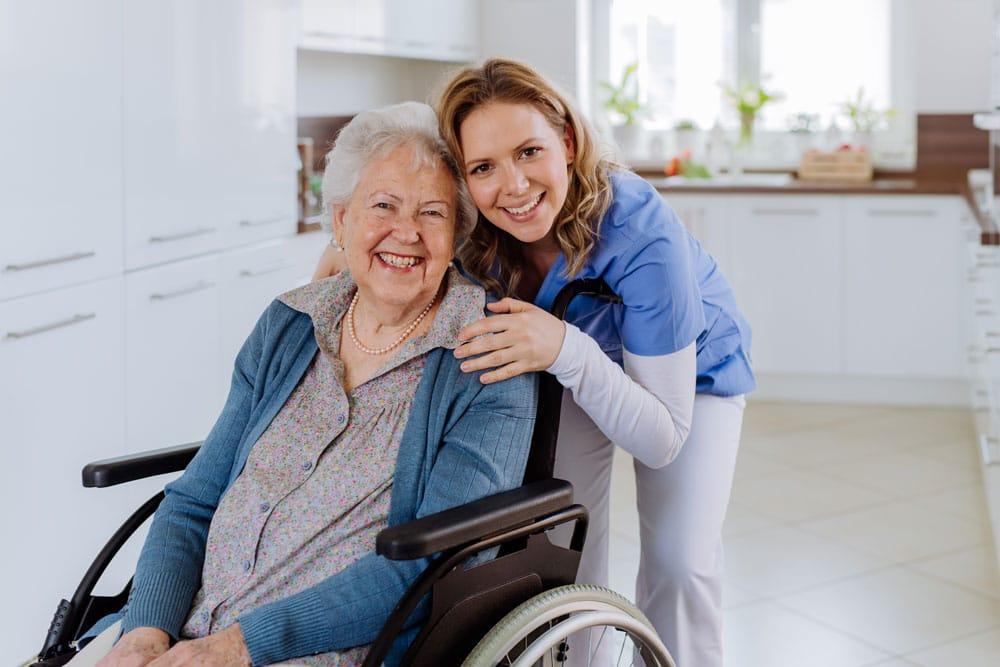
Managing daily health needs can become challenging for patients who are elderly, recovering from illness, living with limited mobility, or requiring ongoing assistance. Caregivers at home in Dubai provide practical support that helps patients maintain comfort, safety, hygiene, and independence in familiar surroundings. With assistance available at home, families can also coordinate care more easily alongside medical guidance from a Doctor at Home when required. A consistent caregiver can become an important part of a patient's daily routine by helping with essential activities while observing changes that may need professional attention.
Understanding Daily Patient Needs:
Daily patient care involves much more than helping with basic activities. Depending on the patient's condition, support may include personal hygiene, meals, mobility, medication reminders, hydration, companionship, and monitoring general well-being. Caregivers should understand the patient's care plan and follow instructions provided by healthcare professionals. A structured routine can make everyday activities easier and reduce confusion for patients who need regular assistance. Important daily needs may include:
- Personal hygiene and grooming
- Assistance with dressing
- Meal and hydration support
- Mobility and positioning
- Medication reminders
- Basic comfort measures
- Emotional and social support
- Observation of changes in health
Helping With Personal Hygiene:
Personal hygiene is an essential part of maintaining comfort and preventing common problems. Caregivers may assist patients with bathing, oral care, hair care, changing clothes, toileting, and other personal activities according to their level of independence. Patients with reduced mobility may need additional help getting safely in and out of the bathroom or using alternative bathing arrangements. Maintaining privacy and dignity during these activities is equally important. Caregivers should encourage patients to perform whatever tasks they can safely manage themselves while providing assistance when necessary.
Supporting Nutrition and Hydration:
Adequate nutrition and hydration can play an important role in maintaining strength and supporting recovery. Caregivers can help organize meals according to the patient's care plan, dietary requirements, preferences, and ability to eat independently. They may prepare or serve appropriate foods, encourage regular fluid intake, and observe whether the patient is eating and drinking normally. For patients with swallowing difficulties or specific dietary restrictions, caregivers should follow instructions from healthcare professionals rather than making independent dietary changes. Keeping a simple record of meals and fluids can also help families recognize changes in routine.
Assisting With Mobility and Positioning:
Patients with limited movement may need assistance when walking, transferring between a bed and chair, or changing positions. Caregivers can help create a safer environment by keeping walking areas clear, ensuring frequently used items are accessible, and using mobility equipment according to professional instructions. Patients who spend extended periods in bed may also require regular repositioning as advised by their care team. Appropriate support can help maintain comfort and reduce the risks associated with prolonged inactivity. Caregivers should never attempt difficult transfers beyond their training or physical ability.
Medication Routine Support:
Medication schedules can become difficult to manage when patients take several medicines throughout the day. Caregivers can provide reminders and help patients maintain an organized routine based on instructions from the prescribing healthcare professional. They may also keep track of whether a scheduled dose has been taken, depending on the care arrangement. However, caregivers should not independently change medication doses, stop prescribed medicines, or substitute medications. Families can maintain an updated medication list containing names, schedules, and relevant instructions to make communication between caregivers and healthcare providers easier.
Monitoring Changes in Patient Condition:
One valuable aspect of regular home caregiving is the opportunity to notice changes in a patient's usual condition. A caregiver who knows the patient's normal routine may recognize differences in appetite, mobility, mood, sleep, alertness, or general behavior. Depending on the patient's care plan, caregivers may also assist with recording basic measurements when they have been instructed and trained to do so. Changes should be communicated to the appropriate family member or healthcare professional. Urgent symptoms should receive prompt medical attention rather than being managed solely by a caregiver.
Providing Emotional and Social Support:
Physical assistance is only one part of quality home care. Patients may experience loneliness, frustration, boredom, or anxiety when illness or limited mobility changes their normal lifestyle. Caregivers can provide meaningful companionship through conversation, reading, simple recreational activities, or accompanying patients during appropriate daily activities. Maintaining familiar routines can also help patients feel more secure. Respectful communication is particularly important for elderly patients or those who need help with many personal tasks because encouragement can support confidence and dignity.
Creating a Safer Home Environment:
A well-organized home can make daily caregiving easier and reduce avoidable hazards. Caregivers can identify common safety concerns and report them to the family so appropriate changes can be made. Helpful measures may include:
- Keeping floors and walkways free from clutter
- Ensuring adequate lighting
- Keeping essential items within safe reach
- Using recommended mobility aids correctly
- Securing loose rugs where appropriate
- Keeping emergency contact information accessible
- Following recommended bathroom safety measures
- Maintaining clean and organized care areas
The appropriate safety arrangements depend on the patient's mobility, medical needs, and home environment.
Supporting Patients After Hospital Discharge:
The period immediately following hospital discharge can be demanding for both patients and families. A caregiver may help the patient settle into a home routine, follow discharge instructions, maintain personal hygiene, prepare meals, and attend scheduled follow-up appointments when appropriate. Caregivers can also help families keep track of instructions and notice changes that should be reported to healthcare professionals. This support can be particularly useful when a patient temporarily needs more assistance than usual after surgery, illness, injury, or hospitalization.
Communicating With Family Members and Healthcare Teams:
Good communication helps maintain continuity of care. Caregivers should share relevant observations with authorized family members and follow established communication procedures with healthcare professionals. A daily care record can document meals, hydration, activities, medication reminders, sleep patterns, and notable changes. Clear communication can help everyone involved understand the patient's current routine. If professional medical assessment is needed, the caregiver can provide useful information about what has changed and when the change was first noticed.
Respecting Patient Independence and Dignity:
Home caregiving should not mean taking over every aspect of a patient's life. Whenever safely possible, patients should be encouraged to make choices and participate in their own daily routines. This might include selecting clothing, choosing between appropriate meals, performing personal tasks independently, or deciding how to spend leisure time. Caregivers should offer assistance without being unnecessarily controlling. Respecting privacy, preferences, cultural practices, and personal boundaries helps create a more comfortable caregiving relationship.
Building a Consistent Daily Care Routine:
Consistency can make home care easier for patients and caregivers. A routine may include waking, personal hygiene, meals, medication reminders, physical activity as advised, rest periods, social interaction, and bedtime preparation. The schedule should remain flexible enough to accommodate the patient's condition and healthcare instructions. A written routine can help different caregivers provide consistent support and reduce missed tasks. Families should periodically review the routine because patient needs can change over time.
When Professional Healthcare Support Is Needed:
Caregivers provide valuable daily assistance, but they are not a replacement for qualified medical professionals. Families should seek professional healthcare advice when a patient's condition changes unexpectedly or symptoms require assessment. Depending on the situation, this may involve contacting the patient's physician, arranging a nursing visit, or seeking urgent medical care. A caregiver's role is to support the patient's daily needs, follow established care instructions, and communicate concerns rather than diagnose or independently treat medical conditions.
Final Thoughts:
Caregivers play an important role in helping patients manage everyday activities safely and comfortably at home. From personal hygiene and nutrition to mobility, companionship, routine support, and communication, their assistance can make daily life more manageable for patients and families. Caregivers at home in Dubai can provide structured support while helping patients maintain dignity and as much independence as possible. With clear care plans, consistent communication, and appropriate professional healthcare involvement, home-based caregiving can become a practical part of a patient's overall care routine.

 English
