


Oilfield Equipment Supplier: A Practical Guide for UAE Buyers
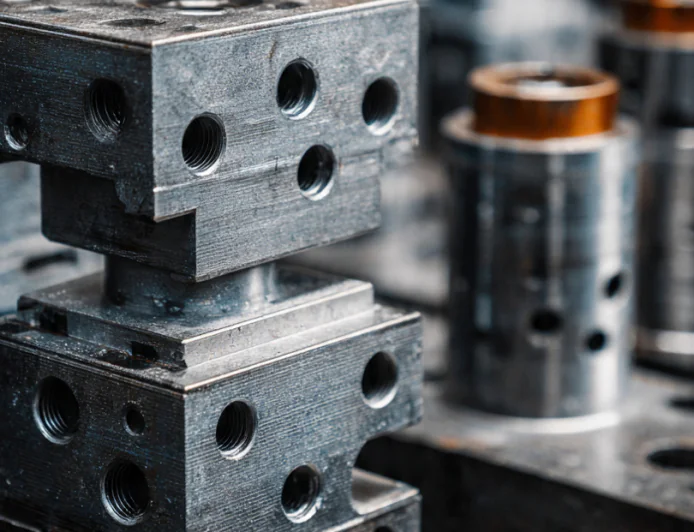
A failed valve or an out-of-spec fitting does not just cost money to replace, it can shut down a rig or a processing line until the correct part arrives. That is why the choice of oilfield equipment supplier carries more weight than most procurement decisions, and why price alone is a poor way to make it. Reliability, certification, and the ability to produce exact replacements matter more in this sector than in almost any other.
The considerations below cover what certification actually signals, which components come up most often, and how to vet a potential partner before a piece of critical equipment is on the line.
Why Certification Standards Are Non-Negotiable
Oil and gas components operate under pressure, temperature, and corrosive conditions that leave no margin for a part that is close enough. This is why API standards exist for many wellhead and valve components, specifying material grades, dimensional tolerances, and testing procedures a component must meet before it is considered fit for service. A credible supplier will hold relevant certifications and be able to produce material traceability documentation for every batch, not just the final finished part.
ISO 9001 certification adds another layer, confirming that the supplier's quality management process, not just the individual part, meets a documented and auditable standard. Suppliers who cannot produce this paperwork on request are a risk, regardless of how competitive their pricing looks. It is also worth asking how long records are retained, since a traceability document that cannot be located two years after delivery is functionally useless if a component ever needs to be recalled or investigated.
Common Components an Oilfield Equipment Supplier Should Deliver
The range of parts a single project might need is wider than it first appears:
-
Valve bodies and seats machined to exact pressure ratings
-
Wellhead components including flanges, connectors, and adapters
-
Custom gaskets and seals matched to specific fluid and temperature conditions
-
Replacement fittings for legacy equipment no longer supported by original manufacturers
-
Structural brackets and mounts for field equipment
A supplier that can cover most of this list in-house reduces the number of vendors a project has to manage, which cuts down on coordination delays when multiple parts are needed for the same repair or build. It also simplifies the paper trail, since a single vendor issuing consistent documentation is far easier to audit than five separate suppliers each with their own format and recordkeeping habits.
The Role of Custom Manufacturing in Oil and Gas Operations
Much of the equipment running on rigs and processing sites today was installed years, sometimes decades, ago. Original manufacturers often stop supporting these designs long before the equipment reaches end of life, which leaves operators needing exact replacements that no longer exist in any catalog. This is where Custom Manufacturing solutions uae providers to fill a genuine gap, reverse engineering a worn or damaged component and producing a replacement that matches the original specification precisely.
Because oilfield parts often carry safety implications, this custom work has to be paired with the same certification rigor as new equipment. A supplier offering custom machining without the accompanying material certificates and inspection reports is not offering a complete solution, just a part that looks right. This is also why Custom Manufacturing solutions use providers with in-house metallurgical testing tend to be worth the extra step in the quoting process, even when a cheaper quote is available elsewhere.
What to Look for Before Signing a Supply Agreement
Beyond certification, a few practical factors separate a dependable long-term supplier from one that will cause problems down the line: consistent lead times even during high-demand periods, willingness to hold safety stock for critical spares, in-house engineering support for design questions, and a demonstrated track record with similar equipment. Asking for references from other operators in the region is a reasonable and common step before committing to a supply agreement.
It is also worth clarifying how a potential partner handles emergency orders outside normal business hours. Equipment failures in the field rarely happen on a convenient schedule, and a supplier that cannot be reached, or takes days to respond, undermines the whole point of having a dependable relationship in place before something breaks.
Conclusion
The right partner is not necessarily the cheapest one, it is the one that can prove certification, deliver consistent quality, and respond quickly when equipment goes down unexpectedly. Providers offering genuine Custom Manufacturing solutions uae operators can rely on tend to combine both new component supply and the reverse-engineering capability needed for aging equipment, which covers most of what a facility will need over its operating life. Before your next supply agreement renewal, it is worth reviewing whether your current oilfield equipment supplies can still meet these standards or whether it is time to get a second opinion.
FAQs
1. What certifications should a supplier of oilfield components hold?
API certification for relevant component categories and ISO 9001 for quality management are the two most commonly expected standards in the industry. Material traceability documentation should accompany every order.
2. Can a supplier manufacture replacement parts for equipment that is no longer in production?
Yes, through reverse engineering: measuring the worn or damaged original and producing a matching replacement with equivalent or improved material specifications, provided the supplier has the machining capability and certification to do so safely.
3. How important is lead time when choosing a supplier?
Very important for critical spares. A supplier with realistic, consistently met lead times prevents unplanned downtime, which usually costs far more than any savings from a cheaper but slower alternative.
4. Should suppliers of critical field components hold safety stock?
For components tied to critical operations, yes. Discuss safety stock arrangements directly with your supplier, particularly for parts with long lead times or single points of failure in your equipment.

 English
