


R501 Reference Electrode: Uses, Working and Key Benefits
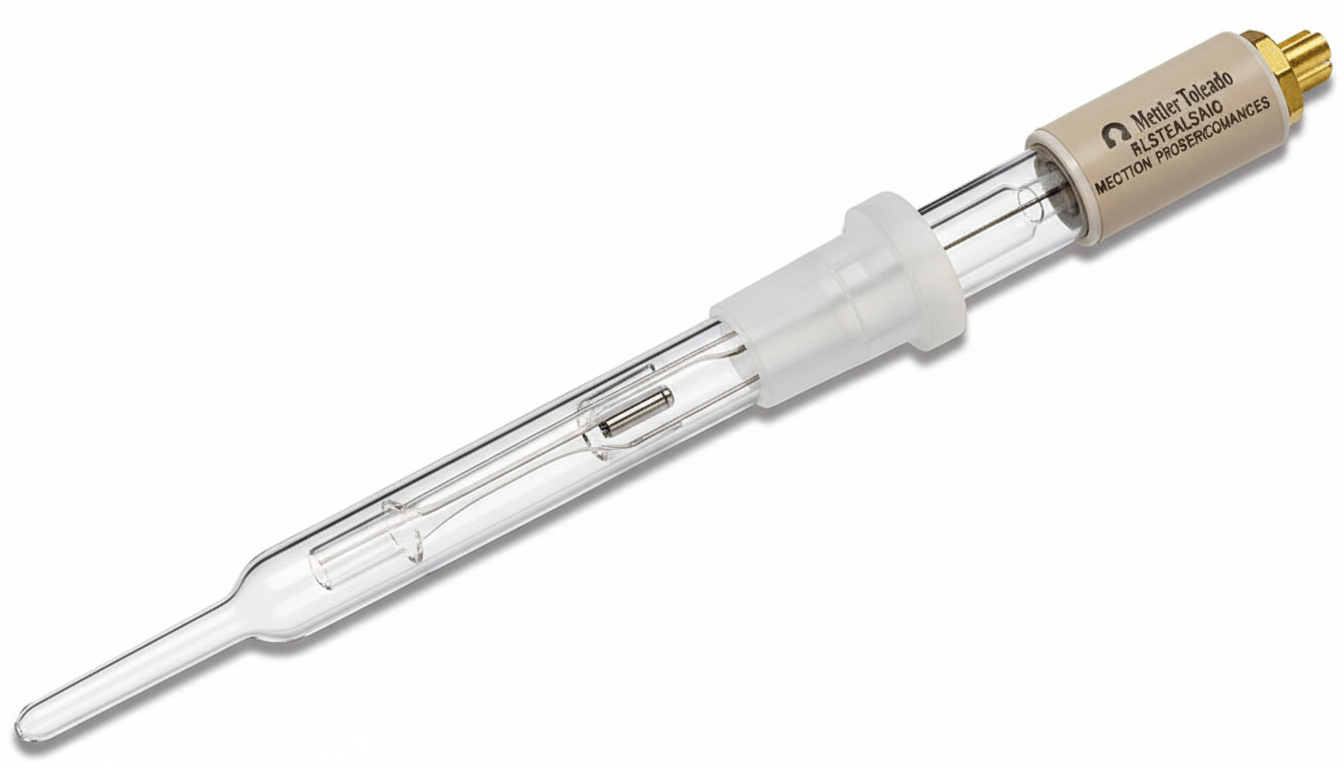
The R501 reference electrode is an important laboratory component used for stable potential measurements in electrochemical systems. It is commonly identified as a mercury and mercuric oxide reference electrode designed for alkaline environments. In an electrochemical experiment, the reference electrode provides a stable potential against which the working electrode can be measured. This makes it valuable in battery research, corrosion studies, electrochemical analysis, materials testing, and other laboratory applications. Understanding the purpose, construction, working principle, applications, handling, and maintenance of the R501 reference electrode can help researchers use it more effectively and obtain dependable experimental results. Current product documentation describes the R501 as a Hg/HgO electrode supplied with potassium hydroxide reference solution and intended for alkaline electrochemical measurements.
What Is an R501 Reference Electrode?
An R501 reference electrode is a mercury and mercuric oxide electrochemical reference electrode designed to provide a stable potential during measurements. The electrode contains a mercury and mercuric oxide reference system and uses an alkaline electrolyte, commonly potassium hydroxide. Its purpose is not to act as the primary electrode where the reaction being studied occurs. Instead, it provides a stable reference point that allows an electrochemical instrument to determine the potential of a working electrode. Product specifications for the R501 identify it as a single-junction Hg/HgO electrode with potassium hydroxide filling solution and an alkaline-medium application.
How Does the R501 Reference Electrode Work?
The R501 reference electrode operates through the electrochemical equilibrium between mercury, mercuric oxide, and hydroxide ions in an alkaline electrolyte. During an electrochemical measurement, the reference electrode is connected to the measurement system while the working electrode responds to the chemical or electrochemical process under investigation. Because the reference system is designed to maintain a relatively stable potential, the instrument can compare the working electrode potential against that reference. This arrangement is particularly useful when researchers need controlled and repeatable potential measurements in alkaline solutions.
Why Is the R501 Reference Electrode Important?
The reference electrode is important because electrochemical measurements require a dependable potential baseline. If the reference potential changes unexpectedly, the measured behavior of the working electrode can become difficult to interpret. The R501 is designed specifically for alkaline environments, where a suitable mercury and mercuric oxide reference system can provide a useful alternative to reference electrodes based on chloride-containing electrolytes. Its alkaline compatibility makes it relevant to experiments involving potassium hydroxide and similar electrochemical environments.
Main Features of the R501 Reference Electrode
The main features of an R501 reference electrode include its mercury and mercuric oxide reference system, alkaline filling solution, stable reference potential, and single-junction construction in commonly available versions. Product information identifies the standard R501 as being supplied with potassium hydroxide reference liquid and designed for alkaline electrochemical applications. Some product versions are made with a glass body and a compact electrode structure to support integration into laboratory electrochemical cells. Exact dimensions and construction can vary between manufacturers or versions, so users should verify the specifications of the particular R501 they intend to use.
R501 Reference Electrode in Alkaline Solutions
The R501 reference electrode is particularly associated with alkaline electrochemical environments. Its Hg/HgO chemistry is suitable for measurements where hydroxide-based electrolytes are used, making it useful in research involving alkaline battery systems, electrochemical catalysts, corrosion processes, and water-related electrochemical studies. Choosing a reference electrode that matches the electrolyte is important because an incompatible reference system can introduce contamination, instability, or unwanted chemical reactions. The R501 is therefore most useful when its alkaline specifications match the experimental environment.
Applications of the R501 Reference Electrode
The R501 reference electrode can be used in several areas of electrochemical research and testing. Common application areas include battery research, corrosion investigations, electrochemical analysis, catalyst studies, and laboratory measurements involving alkaline electrolytes. It can also be incorporated into three-electrode systems where researchers need to monitor the potential of a working electrode relative to a stable reference. Its actual suitability depends on the chemistry of the experiment, the electrolyte concentration, temperature, measurement method, and specific electrode construction.
R501 Reference Electrode for Battery Research
Battery research is an important application area for alkaline reference electrodes because researchers often need to study individual electrode behavior rather than only measuring the overall cell voltage. An R501 can provide the reference point required for three-electrode testing when the battery chemistry and electrolyte are compatible with the Hg/HgO system. This can help researchers investigate electrode potential, reaction behavior, degradation, and other electrochemical characteristics. Its use is especially relevant to research involving alkaline battery chemistries and other systems where hydroxide-based electrolytes are present.
R501 Reference Electrode for Corrosion Studies
Corrosion research often involves monitoring the electrochemical potential of metals or protective materials while they are exposed to specific chemical environments. A stable reference electrode allows researchers to compare changes in the test material against a consistent potential. The R501 can be useful for corrosion experiments conducted in suitable alkaline solutions because its reference chemistry is designed around an alkaline electrolyte. Researchers should carefully evaluate chemical compatibility before use, particularly when the test environment contains aggressive substances that could affect the reference junction or other electrode components.
R501 in Electrochemical Analysis
Electrochemical analysis depends on reliable measurements of potential and current, and the reference electrode is an important part of that measurement system. The R501 can be used in electrochemical workstations and other laboratory setups when its specifications match the sample environment. It may support techniques that require a stable reference potential, including research involving electrode reactions, catalyst behavior, corrosion, and energy materials. The quality of the final measurement also depends on the working electrode, counter electrode, instrument, electrolyte, temperature, and experimental procedure.
R501 Reference Electrode and Three-Electrode Systems
A three-electrode system normally includes a working electrode, a counter electrode, and a reference electrode. The working electrode is where the main electrochemical process is studied, while the counter electrode completes the electrical circuit. The reference electrode provides a stable potential for measuring the working electrode. In an alkaline experiment, an R501 can serve as the reference component when its Hg/HgO chemistry is compatible with the electrolyte. Proper placement of the reference electrode is also important because the distance between the reference junction and working electrode can influence measurement conditions.
Understanding the R501 Reference Potential
The reference potential of an Hg/HgO electrode is associated with its internal chemistry and electrolyte conditions. Product documentation for a commonly supplied R501 identifies a potential around positive zero point zero nine eight volts relative to the standard hydrogen electrode under specified conditions. The potential can vary with electrolyte activity and temperature, so researchers should use the manufacturer's stated conditions and conversion information when reporting measurements. When publishing or comparing electrochemical data, clearly identifying the reference electrode and electrolyte helps other researchers understand the potential scale used in the experiment.
Choosing the Right R501 Reference Electrode
Selecting an R501 reference electrode requires careful consideration of the experimental environment. Users should examine the electrolyte composition, chemical compatibility, expected temperature, electrode configuration, connection requirements, and measurement technique before making a selection. The concentration and type of alkaline solution are particularly important because different Hg/HgO reference electrode designs may have different recommended operating ranges. A single-junction R501 may be intended for low to moderate alkaline conditions, while other Hg/HgO designs use additional junction protection for stronger alkaline environments.
Chemical Compatibility of the R501
Chemical compatibility is essential for maintaining a reliable reference potential. The R501 is designed around alkaline chemistry, so it should be used within the chemical conditions recommended for the specific model. Exposure to unsuitable acidic or chemically incompatible environments can affect the reference system and may produce unreliable measurements. Researchers should also consider whether substances in the sample can react with the reference electrolyte or interfere with the junction. Checking compatibility before an experiment can prevent contamination and protect both the reference electrode and the test solution.
Proper Handling of the R501 Reference Electrode
Careful handling helps protect the R501 from physical damage and contamination. The electrode should be handled gently during installation and removal, particularly around the junction and connection area. Users should avoid touching sensitive surfaces unnecessarily and should inspect the electrode before use for visible damage or contamination. If the electrode has been stored for an extended period, it may require appropriate conditioning according to the manufacturer's instructions before reliable measurements are performed. Good handling practices can help maintain stable performance over repeated laboratory use.
Cleaning the R501 Reference Electrode
Cleaning procedures should always be selected according to the construction and manufacturer's instructions for the specific R501 model. Contamination around the reference junction can interfere with ionic contact and contribute to unstable readings. Users should avoid harsh chemicals or mechanical cleaning methods unless they are specifically recommended for the electrode. Appropriate cleaning can help remove unwanted material while reducing the possibility of damage. After cleaning, the electrode should be returned to its recommended storage or conditioning environment before further measurements.
Storage of the R501 Reference Electrode
Correct storage is important because the reference electrode depends on a controlled internal chemical environment. The R501 should be stored according to the manufacturer's recommended procedure, particularly regarding the condition of the reference junction and electrolyte. Allowing an electrode to dry when it should remain conditioned can affect its performance, while unsuitable storage solutions can alter the reference system. Proper storage helps preserve the condition of the electrode and can reduce the likelihood of unstable potential readings when the electrode is returned to service.
Common Problems With R501 Reference Electrodes
Common problems with reference electrodes can include contamination, blocked junctions, electrolyte changes, poor connections, physical damage, and inappropriate storage. An unstable or unexpected potential may indicate that the reference electrode requires inspection. Users should also remember that measurement problems can originate from other parts of the electrochemical system, including the working electrode, counter electrode, sample, instrument, or electrical connections. A systematic inspection of the entire setup can help identify the actual cause instead of assuming that the reference electrode is always responsible.
Improving R501 Measurement Reliability
Reliable measurements require the R501 reference electrode to be used under suitable conditions and maintained properly. Researchers should keep the reference junction clean, avoid unnecessary contamination, use compatible electrolytes, and maintain appropriate experimental conditions. The reference electrode should also be positioned correctly within the electrochemical cell so that the measurement accurately represents the potential of interest. Consistent preparation and handling procedures can make repeated experiments easier to compare and can reduce unwanted variation in electrochemical data.
R501 Reference Electrode Safety Considerations
Safety is especially important when working with mercury-containing reference electrodes. Mercury and mercury compounds require careful laboratory handling, and users should follow applicable safety procedures for storage, use, cleanup, and disposal. The electrode should not be opened or modified unnecessarily, and damaged equipment should be handled according to the laboratory's chemical safety procedures. Researchers should also consider the hazards associated with the alkaline electrolyte inside the reference electrode. Proper protective equipment, controlled laboratory practices, and appropriate waste management are important whenever the R501 is used.
R501 Reference Electrode vs Other Reference Electrodes
Different reference electrodes are designed for different chemical environments, so the R501 should be selected according to the requirements of the experiment rather than treated as a universal reference. Silver and silver chloride and calomel reference electrodes are commonly used in other electrochemical environments, while Hg/HgO systems are particularly useful for alkaline measurements. One important consideration is the possibility of chloride contamination when chloride-based reference systems are used in experiments where chloride ions are undesirable. The R501's hydroxide-based reference chemistry can be advantageous in appropriate alkaline systems.
Frequently Asked Questions About R501 Reference Electrode
What is an R501 reference electrode?
An R501 reference electrode is a mercury and mercuric oxide reference electrode designed to provide a stable potential for electrochemical measurements, particularly in alkaline environments. Common versions use potassium hydroxide as the internal reference solution.
What is the R501 reference electrode used for?
The R501 can be used for electrochemical research, battery testing, corrosion studies, materials research, and other measurements performed in compatible alkaline electrolytes. Its suitability depends on the specific experimental conditions and electrode specifications.
Is the R501 suitable for alkaline solutions?
Yes, the R501 is specifically designed for alkaline electrochemical applications. Product information identifies its Hg/HgO reference system and potassium hydroxide filling solution as key features for alkaline measurements.
Can the R501 be used in acidic solutions?
The R501 should not be assumed to be suitable for acidic environments. Its Hg/HgO chemistry is intended for alkaline conditions, so users should follow the specifications and operating limits of the particular electrode before exposing it to a different chemical environment.
Why is potassium hydroxide used in the R501?
Potassium hydroxide provides the alkaline environment required for the mercury and mercuric oxide reference system. The internal electrolyte helps establish the electrochemical equilibrium that produces the reference potential.
How should the R501 reference electrode be stored?
Storage should follow the instructions supplied for the particular R501 model. Maintaining the appropriate condition of the reference junction and internal electrolyte is important for preserving reliable electrode performance.
What can cause unstable R501 readings?
Unstable readings can result from contamination, a blocked junction, unsuitable storage, electrolyte problems, physical damage, poor electrical connections, temperature changes, or an incompatible sample environment. The entire electrochemical setup should be checked when unexpected readings occur.
Is the R501 suitable for battery research?
The R501 can be suitable for battery research when the battery chemistry and electrolyte are compatible with its Hg/HgO reference system. It is particularly relevant to research involving alkaline electrolytes and three-electrode electrochemical testing.
What is the difference between an R501 and an R502?
Both are Hg/HgO reference electrode designs, but commonly available versions differ in junction construction and intended alkaline operating conditions. The R501 is generally described as a single-junction design, while the R502 uses a double-junction structure intended for stronger alkaline environments. Users should compare the exact manufacturer specifications before selecting between them.
Why should the reference electrode be close to the working electrode?
Keeping the reference junction appropriately positioned near the working electrode can help reduce unwanted potential differences caused by solution resistance. Proper positioning is therefore important when accurate electrochemical potential measurements are required.
Conclusion
The R501 reference electrode is a specialized electrochemical reference system designed primarily for alkaline measurement environments. Its mercury and mercuric oxide chemistry provides the stable reference potential needed to evaluate working electrodes during electrochemical experiments. It can be useful in battery research, corrosion testing, materials studies, and other laboratory applications where compatible alkaline electrolytes are used. Proper electrode selection, chemical compatibility, careful handling, suitable storage, and regular inspection all contribute to dependable measurements. Because the R501 contains mercury-based components and is designed for specific chemical conditions, researchers should always follow the technical and safety requirements for their particular electrode before use.

 French
