


How Much Does a Luxury Weekender Bag Cost? – Lustra
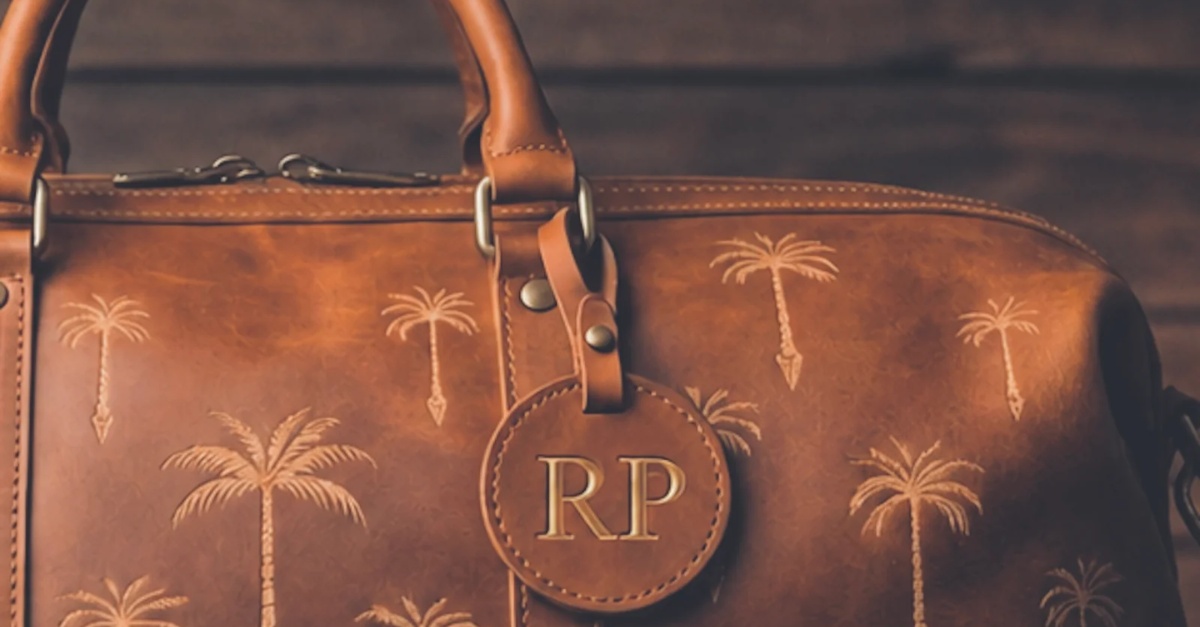
A luxury weekender bag can cost anywhere from a few hundred dollars to well over a thousand, depending on the materials, construction, design, and reputation behind it. That wide price range can make shopping confusing, especially when two bags may look similar at first glance but differ significantly in quality.
The better question is not simply, "How much does a luxury weekender bag cost?" It is, "What are you actually paying for?"
For frequent travelers, the difference matters. A well-made weekender needs to carry clothing, shoes, toiletries, and everyday essentials without becoming uncomfortable or losing its shape. It also needs to hold up to airport terminals, car trunks, hotel rooms, and years of repeated use.
Understanding what influences the price makes it easier to identify genuine value rather than paying extra simply for a luxury label.
What Is the Typical Price of a Luxury Weekender Bag?
A luxury weekender bag commonly falls into the range of approximately $300 to $1,500 or more. Premium leather construction, handmade details, distinctive design, and limited production can push prices higher.
The market can generally be viewed in several broad categories:
- Entry-level premium: Around $200 to $400
- Luxury: Around $400 to $800
- High-end luxury: Around $800 to $1,500
- Exceptional or heritage pieces: $1,500 and above
These figures are useful as general reference points rather than fixed industry standards. Pricing varies according to the type of leather, country of production, hardware, construction method, size, and brand positioning.
A $350 leather weekender and a $1,000 leather weekender may both be described as premium, but that does not mean they offer the same experience or durability.
Why Do Luxury Weekender Bags Cost So Much?
The price of a luxury travel bag usually reflects several factors working together. Materials are only part of the equation.
Leather Quality
Leather is one of the biggest influences on the cost of a premium weekender bag.
Full-grain leather, for example, retains the natural grain of the hide and is often valued for its durability and ability to develop character over time. Top-grain leather has been refined to create a more consistent appearance while maintaining many desirable qualities.
Lower-cost leather products may use heavily processed leather or composite materials. These can still be practical, but they should not be confused with higher-grade leather simply because the bag has a luxury appearance.
The leather's thickness, finish, texture, and treatment also affect both price and performance.
Craftsmanship and Construction
A luxury bag is not defined by leather alone. Construction plays a major role.
Look closely at:
- Stitching consistency
- Reinforced stress points
- Handle attachment
- Edge finishing
- Interior construction
- Zipper quality
- Hardware strength
- Base structure
A weekender receives considerable physical stress. Handles carry the weight, zippers are opened repeatedly, and the bottom of the bag comes into contact with floors and luggage compartments.
Good construction addresses these pressure points before they become problems.
Hardware
Metal components can be easy to overlook because they occupy relatively little visual space. Yet zippers, buckles, rings, clasps, and feet have an important job.
Quality hardware should feel substantial rather than flimsy. Zippers should move smoothly, while handle attachments should feel secure and properly reinforced.
Hardware also contributes to the overall appearance of a bag. Subtle, well-finished metal details can give a travel bag a refined appearance without making it look overly decorative.
Does a Higher Price Always Mean Better Quality?
No. A higher price does not automatically guarantee a better luxury weekender bag.
Part of the price may reflect brand recognition, retail positioning, marketing, packaging, or exclusivity. Those factors can matter to some buyers, but they do not necessarily improve the bag's practical performance.
A more useful evaluation looks at what is physically present in the product.
Ask:
- What material is the bag made from?
- How is it constructed?
- Are high-stress areas reinforced?
- Is the interior designed for practical packing?
- Does the hardware feel durable?
- Is the size appropriate for the type of travel?
- Does the design remain useful beyond current fashion trends?
A bag that answers these questions well may offer stronger value than a considerably more expensive alternative.
What Makes a Weekender Bag Feel Truly Luxurious?
Luxury is partly visual, but the strongest signs often become apparent through use.
A premium weekender should feel balanced when carried. The handles should sit comfortably in the hand, the opening should provide enough access for packing, and the interior should make it relatively easy to organize clothing and accessories.
The bag should also maintain a sense of structure without becoming unnecessarily rigid.
Design Matters
A sophisticated weekender typically avoids design choices that will quickly look dated. Classic proportions, restrained detailing, and quality materials can give a travel bag a longer visual lifespan.
This is one reason heritage-inspired leather bags continue to appeal to travelers. Their aesthetic often focuses on craftsmanship and proportion rather than short-lived fashion trends.
The best design is not necessarily the most complicated. In many cases, simplicity makes a bag more versatile.
What Should You Look for at Different Price Points?
Understanding the differences between price ranges can help establish realistic expectations.
Around $200 to $400
At this level, shoppers can find attractive premium travel bags, although material and construction quality may vary considerably.
You may find genuine leather options, but it is worth checking exactly what type of leather is being used and how much of the bag is actually leather.
This range can make sense for occasional travelers who want a polished appearance without making a major investment.
Around $400 to $800
This is often where the combination of quality materials, thoughtful construction, and refined design becomes more noticeable.
A weekender in this range may offer better leather, stronger hardware, more careful stitching, and greater attention to functional details.
For someone who travels several times a year, this can be a practical middle ground.
Around $800 to $1,500
At this level, buyers are generally paying for a combination of premium materials, craftsmanship, design, and brand positioning.
Details become particularly important. The quality of finishing, handle construction, interior layout, leather selection, and overall proportions should justify the additional expense.
If those elements are not noticeably better than less expensive options, the higher price deserves closer examination.
Above $1,500
Very expensive weekender bags often appeal to collectors, luxury enthusiasts, and travelers who place significant value on heritage, exclusivity, or exceptional craftsmanship.
At this point, practical performance may not increase in direct proportion to price. A $1,800 bag is not necessarily twice as durable as a $900 bag.
The additional cost may instead reflect rarity, production methods, design heritage, or the prestige associated with the piece.
Is a Luxury Weekender Bag Worth the Investment?
It can be, particularly for travelers who use the same bag frequently.
Consider the cost per use rather than only the purchase price. A $700 bag used twice a year for three years has a very different value proposition from a $700 bag used every month for several years.
A well-designed leather weekender can also become more attractive with age. Natural leather may develop patina, subtle color variation, and other signs of use that give the bag an individual character.
That does not mean every expensive bag will last for decades. Maintenance, storage, construction quality, and frequency of use all matter.
How Can You Tell If a Luxury Weekender Is Well Made?
You do not need to be a leather expert to perform a useful quality check.
Start by examining the areas that receive the most stress.
Check the Handles
Pick up the bag if possible. The handles should feel securely attached and comfortable under load.
Look for reinforced attachment points rather than handles that appear to be connected only through decorative stitching.
Examine the Stitching
Stitches should generally appear even and secure. Pay particular attention to corners, handle attachments, pockets, and seams.
Small variations may occur with handcrafted goods, but obvious loose threads or inconsistent construction can indicate weaker quality control.
Inspect the Zippers
Open and close every zipper. It should move without excessive resistance or snagging.
A beautiful bag with unreliable zippers becomes frustrating very quickly, particularly when used in busy airports or while checking into a hotel.
Look Inside
The interior is often overlooked during shopping.
Consider whether there is enough space for the items you normally carry. Look at pockets, lining, seams, and the opening of the main compartment.
A stylish bag that is difficult to pack is not necessarily a successful travel design.
What Size Weekender Should You Buy?
Size has a direct relationship with value because a bag only works well if it matches the trip.
For an overnight stay, a compact weekender may be enough for a change of clothes, toiletries, and a few personal items. A larger bag may be more suitable for a two- or three-day trip, particularly if you need shoes, outerwear, or additional accessories.
However, bigger is not always better.
An oversized weekender can become heavy once fully packed. It may also be less comfortable to carry and harder to store in smaller travel spaces.
Before purchasing, consider your typical trip length and packing habits rather than choosing the largest available option.
Leather vs. Other Materials: Does Material Affect Price?
Yes, significantly.
Leather often costs more than canvas, nylon, polyester, and other synthetic materials because of material quality, processing, construction, and finishing.
That does not make leather automatically superior for every traveler.
Canvas can be lightweight and casual. Nylon can be practical for travelers who prioritize low weight and resistance to moisture. Leather tends to appeal to people who value tactile quality, traditional craftsmanship, structure, and long-term aesthetic appeal.
The right material depends on how and where the bag will be used.
For business trips, weekend getaways, weddings, road travel, and sophisticated city travel, a leather weekender can offer a particularly versatile appearance.
What Are the Most Common Luxury Weekender Buying Mistakes?
A high price can create the impression that a purchase is automatically safe. It is not.
One common mistake is buying primarily because of appearance. A bag may photograph beautifully while having poor organization or uncomfortable handles.
Another mistake is ignoring weight. A substantial leather bag can already weigh several pounds before anything is packed inside it.
Buyers should also avoid assuming that more pockets mean better organization. Too many compartments can reduce usable space and make packing awkward.
Finally, do not overlook maintenance. Leather generally benefits from appropriate care and storage. Exposure to excessive moisture, heat, or rough handling can shorten the life of even a well-made bag.
How Much Should You Actually Spend?
There is no universal answer, but a useful approach is to connect the budget to your travel habits.
If you travel once or twice a year, spending several hundred dollars may be difficult to justify unless the bag also serves as an everyday accessory.
If you travel regularly and expect to use one weekender for business trips, short holidays, and overnight stays, investing more in construction and materials can make greater sense.
For many shoppers, the most sensible target is not the cheapest bag or the most expensive one. It is the point where material quality, construction, design, comfort, and expected use come together at a reasonable price.
Final Thoughts
The cost of a luxury weekender bag can vary widely, but price alone tells only part of the story. Leather quality, craftsmanship, hardware, construction, functionality, design, and expected frequency of use all deserve consideration.
A well-chosen weekender should do more than look expensive. It should be comfortable to carry, practical to pack, durable enough for regular travel, and attractive enough to remain relevant over time.
For buyers considering a premium leather weekender, the smartest approach is to evaluate the details rather than the price tag. A thoughtfully constructed bag can become a dependable part of a travel wardrobe, while an expensive bag without substance may offer little value beyond its appearance.
In the end, the best luxury weekender is not necessarily the one with the highest price. It is the one whose quality, functionality, and craftsmanship genuinely match the way you travel.

 French
