


Termite Control in Lahore How to Detect and Prevent Hidden Damage
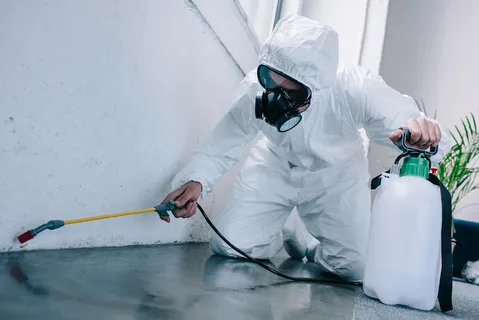
Termites can cause serious damage to buildings while remaining hidden for long periods. They often attack wooden structures, furniture, doors, cabinets, flooring, and other materials containing cellulose. By the time visible damage appears, the infestation may already have developed.
For homeowners searching for termite control in Lahore, understanding how termites enter buildings, where they hide, and how they are controlled can help prevent expensive repairs. These principles also apply to properties in other cities and regions across Pakistan.
Why Termites Are a Serious Property Problem
Termites feed mainly on cellulose. Wood contains a large amount of cellulose, which makes wooden structures an attractive food source.
Unlike many household pests, termites can remain concealed. Subterranean termites may travel through soil and construct protected pathways to reach buildings.
They can affect:
- Wooden doors and frames
- Furniture and cabinets
- Wooden floors
- Roof structures
- Wall cavities
- Paper and cardboard
- Wooden supports and fixtures
The damage may develop slowly. This makes regular inspection important.
How Termites Enter a Building
Subterranean termites often enter buildings from the soil. They can exploit small gaps and concealed spaces around foundations.
Common entry points include:
- Cracks around foundations
- Gaps around pipes
- Utility openings
- Expansion joints
- Areas where wood touches soil
- Moist spaces beneath floors
- Construction gaps
A building does not need to contain large amounts of exposed wood to experience termite activity. Termites can travel through concealed routes before reaching wooden materials.
Signs That Your Property May Have Termites
Early detection can limit the amount of damage.
Mud Tubes
Mud tubes are one of the most recognizable signs of subterranean termites. They may appear on foundations, walls, columns, or other surfaces connected to the ground.
These narrow structures provide termites with protection while they move between their colony and food source.
Damaged Wood
Termites can consume wood from the inside. Damaged wood may become weak, hollow, or brittle.
Pay particular attention to wooden areas that sound unusually hollow when tapped.
Swarmers and Wings
Winged reproductive termites may appear when colonies produce new reproductive members. After swarming, termites may leave their wings behind.
Finding large numbers of discarded wings indoors can indicate termite activity nearby.
Bubbling or Damaged Surfaces
Some wooden finishes may appear raised, cracked, or uneven when termites damage the material underneath. However, moisture and other pests can create similar symptoms.
For this reason, one sign alone does not always confirm an infestation.
Why Lahore Properties Can Require Termite Protection
Lahore experiences hot weather and seasonal rainfall. Buildings can also develop moisture problems through leaking plumbing, poor drainage, or inadequate ventilation.
These conditions can increase the suitability of some areas for termites.
Risk may be higher around:
- Damp foundations
- Ground-floor structures
- Leaking bathrooms
- Poorly drained areas
- Wooden storage spaces
- Older buildings with untreated wood
- Construction areas containing wood debris
The risk varies between properties. Building design and maintenance can be just as important as climate.
Termite Control Methods
The correct treatment depends on the termite species, colony location, building structure, and severity of the infestation.
1. Soil Treatment
Soil treatment is commonly associated with subterranean termite management. It involves treating relevant soil areas to create a protective chemical barrier.
Application should follow the pesticide label and applicable safety requirements.
2. Wood Treatment
Wood treatment targets vulnerable or infested wooden components. It may help protect specific areas from further attack.
However, treating visible wood alone may not address an underground colony.
3. Termite Baiting
Baiting systems use materials that termites consume or carry back to the colony. Some systems are designed for gradual colony-level control.
They require appropriate placement and monitoring.
4. Physical Barriers
Physical termite barriers can help prevent termites from reaching a building during construction. Their suitability depends on the construction method and site conditions.
What to Do After Discovering Termites
Finding termites does not mean that every wooden component must be replaced immediately.
First, identify the extent of the problem.
A practical approach is:
- Inspect the affected area.
- Look for additional signs nearby.
- Check for moisture sources.
- Identify possible entry points.
- Determine whether the activity is still present.
- Select a suitable treatment method.
- Repair damaged materials after controlling the infestation.
- Continue monitoring the property.
This approach helps prevent unnecessary repairs and focuses attention on the underlying problem.
How to Prevent Termite Infestations
Prevention should begin before termites become a serious problem.
Control Moisture
Fix leaking pipes, taps, roofs, and drainage systems. Keep damp areas properly ventilated.
Reduce Wood-to-Soil Contact
Where practical, avoid direct contact between untreated wooden materials and soil.
Remove Construction Debris
Wood scraps, cardboard, and other cellulose materials can provide food sources. Remove unnecessary materials from around the building.
Inspect Vulnerable Areas
Regularly check:
- Foundations
- Wooden door frames
- Cabinets
- Storage rooms
- Roof structures
- Ground-floor rooms
- Areas near plumbing
Early inspection can reveal problems before damage becomes extensive.
Termite Prevention During Construction
New buildings can benefit from termite-resistant construction practices.
Before construction is completed, builders can consider:
- Suitable soil treatment
- Proper drainage
- Moisture control
- Sealing structural gaps
- Appropriate physical barriers
- Reduced wood-to-soil contact
- Removal of construction debris
Planning termite protection during construction can be easier than treating an established infestation later.
Should You Use DIY Termite Treatment?
Small visible insects may tempt homeowners to use ordinary household insecticides. However, visible termites may represent only a small part of a much larger colony.
DIY treatment may therefore fail to address the source.
Professional assessment can be particularly useful when:
- Mud tubes are present.
- Damage appears in several rooms.
- Termites return after treatment.
- Wooden structural components appear weakened.
- The infestation source cannot be identified.
- The property has extensive moisture problems.
A proper inspection can help determine the most appropriate control strategy.
Termite Treatment Safety
Pesticides require careful handling. Using more chemical than recommended does not necessarily provide better protection.
Always:
- Read the product label.
- Follow the stated application instructions.
- Keep people and pets away from treated areas when required.
- Protect drinking-water sources.
- Avoid mixing products unless specifically permitted.
- Store chemicals safely.
- Dispose of containers according to applicable requirements.
Large-scale treatments should be handled by trained personnel who understand application procedures and safety requirements.
Termite Control in Lahore and Across Pakistan
Termite problems are not limited to Lahore. Homes and buildings throughout Pakistan can experience infestations when suitable conditions exist.
The most effective approach combines inspection, moisture control, appropriate treatment, structural maintenance, and ongoing monitoring.
Homeowners should also consider the age and construction style of their property. Older buildings may require more frequent inspection, while new construction can incorporate preventive measures from the beginning.
Conclusion
Termites can remain hidden while gradually damaging valuable property. Recognizing early warning signs such as mud tubes, damaged wood, discarded wings, and unusual structural changes can help homeowners respond sooner.
Effective termite control in Lahore requires more than killing visible insects. The underlying colony, entry routes, moisture conditions, and vulnerable building materials should all be considered. Regular maintenance and preventive measures can significantly reduce the likelihood of serious termite damage.
Frequently Asked Questions
These frequently asked questions provide quick answers about termite detection, prevention, and treatment. They can help property owners understand the basic steps involved in managing termite risks in Lahore and other parts of Pakistan.
1. What attracts termites to a house?
Termites are attracted to cellulose-based materials such as wood. Moisture, soil contact, and concealed entry points can also create favorable conditions around a building.
2. How do I know if termites are inside my walls?
Mud tubes, damaged wood, hollow sounds, discarded wings, and other unusual signs may indicate termite activity. A detailed inspection may be needed to confirm activity inside concealed areas.
3. Can termites damage concrete?
Termites generally do not eat concrete. However, subterranean termites can travel through small cracks and gaps in or around concrete structures to reach wooden materials.
4. How often should a property be inspected for termites?
Regular inspection is useful, especially for properties with moisture problems, wooden structures, or a history of termite activity. The appropriate inspection frequency depends on the property's risk factors.
5. Can termite damage be repaired?
Yes. Damaged materials can often be repaired or replaced after the termite infestation has been properly controlled. Structural damage may require assessment by a qualified building professional.

 English
