


How to Choose the Right CCTV Camera Company in the UAE Before the End of 2027
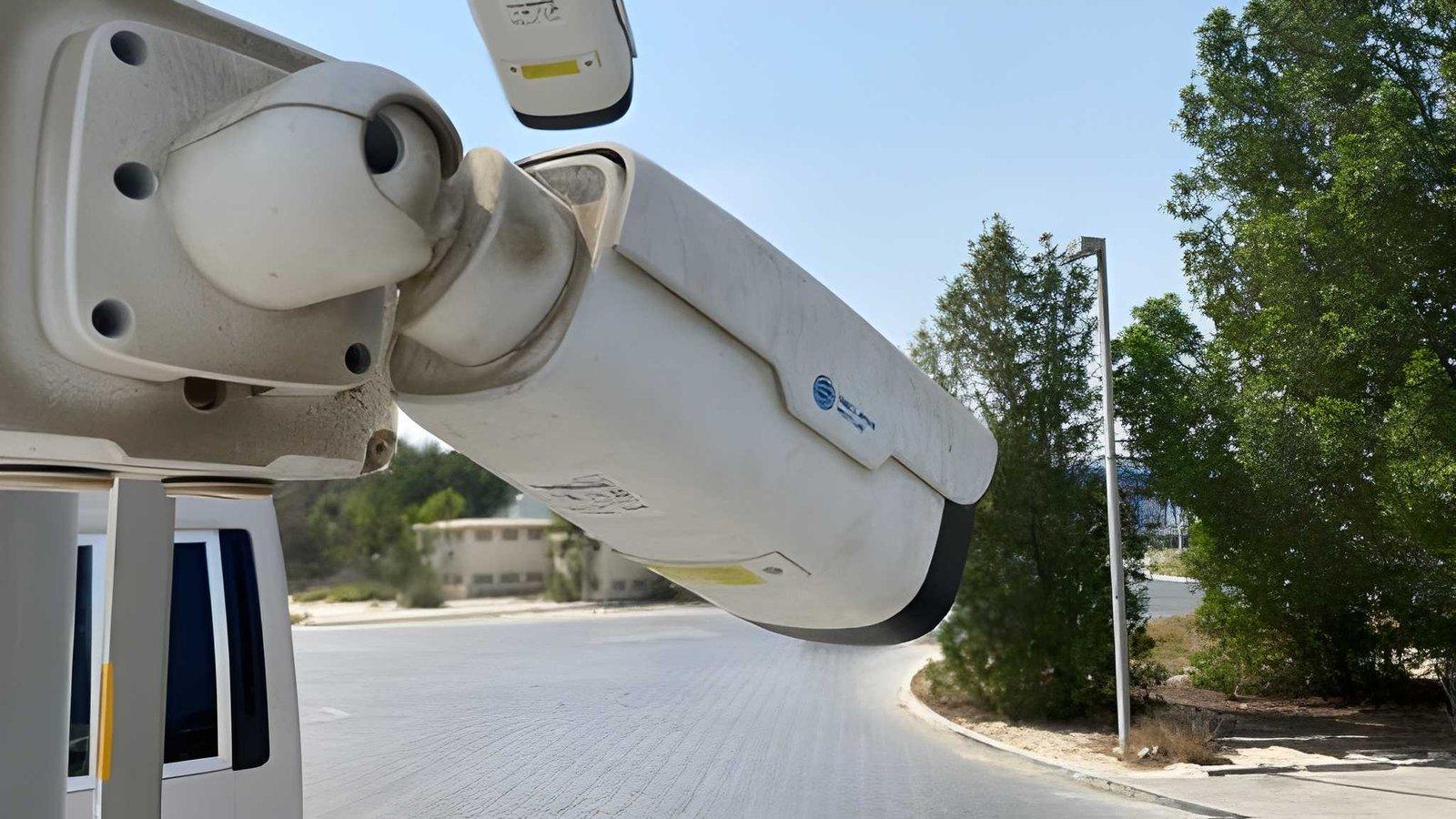
The UAE's surveillance regulations have moved from a loose set of best practices to a detailed technical rulebook, and that shift changes what "choosing a CCTV company" actually means in 2027. Dubai's Security Industry Regulatory Agency now works from a formal Preventive Systems Manual that specifies exact camera resolution, low-light performance, and outdoor durability requirements, not general guidance open to interpretation. Businesses and homeowners across the Emirates are no longer just buying cameras; they're buying compliance, cybersecurity, and long-term reliability bundled into a single decision. Smart Living Technology approaches CCTV Camera Company in the UAE projects with that reality in mind, and this guide covers what to actually look for in a provider before the year closes out.
Why the Bar Has Risen
For years, CCTV in the UAE was often treated as a checkbox: install cameras, point them at entrances, done. That's no longer sufficient. Regulatory manuals now specify technical detail down to the signal-to-noise ratio a camera must meet and the exact ingress protection rating required for anything mounted outdoors. Cybersecurity has become part of the compliance picture too, with authorities now expecting encrypted connections and secured remote access rather than treating an exposed recorder as a minor oversight. A camera that "works" in the loosest sense but fails these specifications isn't actually compliant, and a business relying on it may not find that out until an inspection, an insurance claim, or an incident forces the issue.
What SIRA-Approved Actually Means
In Dubai specifically, the Security Industry Regulatory Agency's Preventive Systems Manual lays out concrete benchmarks: cameras generally need to deliver Full HD resolution or better, with defined signal-to-noise and wide dynamic range thresholds for scenes with strong backlighting, and an IP66 rating for anything exposed to the elements. Coverage requirements go beyond just "having cameras," specifying meaningful visibility at entry and exit points, cash handling areas, lifts, stairwells, and stock or storage rooms, calibrated to the level of risk a given business type carries. Choosing SIRA-approved hardware and a SIRA-approved installer isn't a formality; it's what stands between a business and a rejected approval, a fine, or gaps in coverage that only become apparent after something has already gone wrong.
What a Capable CCTV Company Actually Provides
A genuinely competent provider does more than mount hardware on a wall. The real scope of the work includes:
Compliance-driven design. Camera placement planned around regulatory coverage requirements and the specific risk profile of the property, not a generic package sold regardless of use case.
Verified hardware specifications. Confirmation that proposed cameras actually meet resolution, low-light, and durability requirements on paper, not just a brand name assumed to be compliant.
Secure network configuration. Encrypted connections and properly secured remote access, since an unsecured recorder connected to the internet is now treated as a compliance gap in its own right, not just a technical nuisance.
AI-assisted monitoring, where it adds real value. Features like loitering detection and line-crossing alerts can meaningfully cut false alarms and speed up response time, but only when configured correctly for the space, not layered on as a marketing feature that goes unused.
Documented footage retention. Storage periods that match the specific retention duration required for the business category, since requirements vary by industry and risk level rather than following one blanket rule.
Residential vs. Commercial CCTV Needs
Homeowners and businesses are rarely solving the same problem. A villa or apartment typically needs a handful of well-positioned cameras covering entry points and communal areas, prioritizing simple remote viewing and integration with the rest of a smart home setup. Commercial properties, particularly retail, warehousing, and hospitality, face formal regulatory obligations tied to licensing, specific coverage mandates, and retention schedules that a residential system was never designed to meet. Assuming residential-grade equipment and installation practices are sufficient for a commercial site is one of the more common and costly mistakes property operators make.
Questions Worth Asking Before Signing a Contract
-
Is the proposed hardware confirmed to meet current resolution, low-light, and IP-rating specifications, in writing, not just by brand reputation?
-
Does the installer hold current SIRA approval, or the equivalent authority certification relevant to the emirate the property sits in?
-
How is remote access to the system secured, and is the connection encrypted end to end?
-
What footage retention period applies to this specific property type, and how is that enforced technically?
-
What is the company's response time and support structure once the system is live, not just on installation day?
A provider unwilling or unable to answer these plainly is a signal to keep evaluating other options.
Where This is Heading
Surveillance regulation across the UAE has trended firmly toward more technical specificity and stricter cybersecurity expectations, and there's little indication that trend reverses. Businesses and homeowners planning CCTV installations now benefit from choosing hardware and providers built for where the standards are heading, not just where they currently sit, since retrofitting a non-compliant system later is almost always more disruptive and expensive than specifying correctly the first time.
How Smart Living Technology Approaches CCTV Projects
We treat every CCTV installation as a compliance project first and a hardware project second. That means verifying camera specifications against current regulatory manuals before recommending anything, securing network configurations by default rather than as an afterthought, and designing coverage around the property's actual risk profile rather than a fixed package. Whether the project is a single villa or a multi-site commercial rollout, our goal is a system that passes inspection, holds up under real conditions, and keeps working reliably long after installation day.
Choosing a CCTV camera company in the UAE isn't just about picking the sharpest picture. It's about picking a partner who understands exactly what "compliant" now requires, and who builds to that standard by default.
Frequently Asked Questions
1. What does it actually mean for a CCTV company to be "SIRA-approved"?
It means the company and its hardware have been reviewed against Dubai's official Preventive Systems Manual, covering camera resolution, durability, and coverage requirements. Working with a SIRA-approved provider ensures an installation meets these regulatory standards rather than relying on general assumptions about quality.
2. Do residential CCTV systems need to meet the same standards as commercial ones?
Not always to the same regulatory extent, but the same principles of image quality, secure connectivity, and appropriate outdoor durability still apply. Commercial properties face more formal coverage and retention obligations tied to licensing, which residential systems generally don't carry.
3. Why does cybersecurity matter for a CCTV system, not just image quality?
Because CCTV systems are network-connected, an unsecured recorder or unencrypted remote access point is now treated as a compliance failure in its own right, not a minor technical detail, since it creates a real vulnerability regardless of how sharp the footage is.
4. How long does CCTV footage need to be retained?
Retention periods vary by business category and risk profile rather than following one universal rule, so the correct duration depends on the specific property and its regulatory classification. A qualified installer should confirm this before finalizing the system design.
5. Are AI features like loitering or line-crossing detection actually useful, or just marketing?
They can meaningfully reduce false alarms and speed up response time when configured correctly for the specific space, but the value depends entirely on proper setup. Poorly configured AI analytics tends to generate noise rather than useful alerts.

 English
