


How to Create a Personalized Elderly Home Care Plan for Seniors
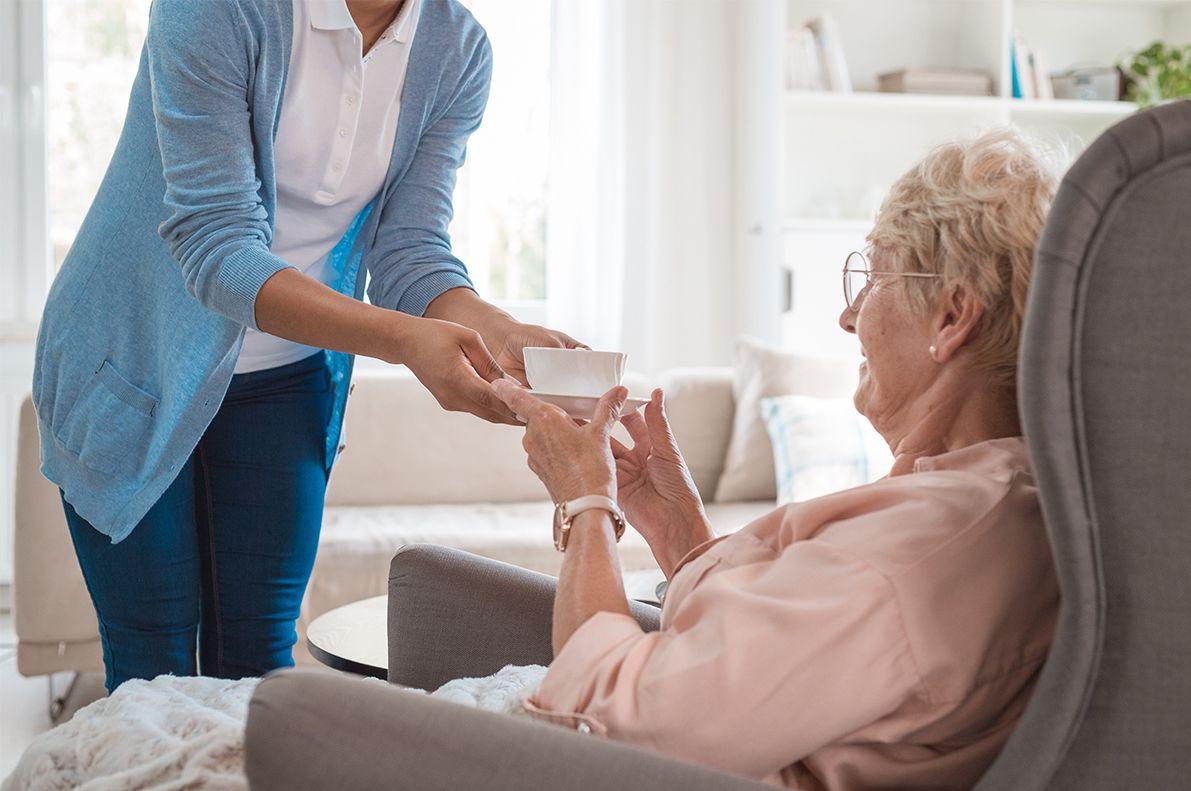
Creating a personalized care plan is one of the most effective ways to ensure seniors receive safe, comfortable, and consistent support at home. Elderly Home Care in Dubai can be tailored to an individual’s health needs, daily routine, mobility, personal preferences, and level of independence. With support from family members, professional caregivers, and services such as Doctor at Home, families can develop a practical plan that addresses both medical and everyday needs. A personalized approach helps seniors maintain dignity while allowing caregivers to understand exactly what type of assistance is required throughout the day.
Understand the Senior’s Individual Needs:
The first step in creating an effective elderly home care plan is understanding the senior as an individual rather than focusing only on age or medical conditions. Every older adult has different physical abilities, emotional needs, routines, and preferences. Start by discussing their daily activities and identifying areas where assistance may be needed. Consider their ability to bathe, dress, prepare meals, walk, take medications, and manage household tasks. It is also important to understand their social preferences, hobbies, sleeping patterns, and preferred meal times. A detailed assessment can help families identify the right level of support without unnecessarily limiting the senior’s independence.
Key areas to assess include:
- Mobility and balance
- Medication management
- Nutrition and hydration
- Personal hygiene
- Sleep patterns
- Mental and emotional well-being
- Social interaction
- Household safety
- Assistance with daily activities
Set Clear Care Goals:
Once the senior’s needs have been identified, the next step is to establish clear and realistic care goals. These goals should focus on maintaining independence, improving comfort, supporting health, and promoting quality of life. For example, a senior who has difficulty walking may have a goal of safely moving around the home with appropriate assistance. Another senior may need support with maintaining a regular medication schedule or preparing nutritious meals. Goals should be specific enough for caregivers and family members to understand but flexible enough to change as the senior’s needs develop. Involving the senior in setting these goals is particularly important because it gives them a sense of control over their own care.
Create a Daily Care Routine:
A consistent daily routine can make home care easier and more predictable for seniors. The care schedule should include essential activities while leaving enough flexibility for personal preferences and unexpected changes. A typical routine may include waking up, personal hygiene, breakfast, medication, physical activity, rest periods, meals, social activities, and bedtime preparation. However, the schedule should be personalized rather than rigid. If the senior prefers to wake up later or enjoys taking a walk in the afternoon, these preferences should be incorporated whenever possible. A familiar routine can also make it easier for caregivers to monitor changes in behavior, appetite, energy levels, or overall well-being.
Plan for Medication Management:
Medication management should be an important part of a personalized elderly home care plan, particularly for seniors who take several medications. Missing doses, taking incorrect amounts, or confusing medications can create serious health concerns. Families should maintain an updated medication list that includes the name of each medication, dosage, timing, and instructions provided by the healthcare professional. Medication organizers, reminders, and written schedules can help improve consistency. Caregivers should also observe whether the senior experiences unusual symptoms after taking medication and communicate concerns to the appropriate healthcare professional rather than changing medication independently.
Include Nutrition and Hydration Support:
Good nutrition and adequate hydration are essential components of healthy aging. The care plan should consider the senior’s dietary requirements, food preferences, allergies, ability to chew or swallow, and any dietary recommendations provided by healthcare professionals. Meals should contain a balance of nutritious foods while remaining enjoyable and appropriate for the individual. Seniors may sometimes forget to drink enough fluids, so caregivers can encourage regular hydration throughout the day. Planning meals and snacks in advance can also reduce the risk of skipped meals. A personalized nutrition routine should always take existing medical or dietary restrictions into consideration.
Address Mobility and Physical Activity:
Maintaining safe movement is another important part of elderly home care. Depending on the senior’s abilities, the care plan may include walking, gentle stretching, prescribed exercises, or other suitable activities. Physical activity should never be forced, especially when a senior experiences pain, dizziness, weakness, or balance difficulties. The home environment should also support safe movement by reducing obstacles and keeping frequently used items within easy reach. Consider including these safety measures:
- Remove loose rugs and unnecessary clutter.
- Keep walkways clear.
- Ensure adequate lighting.
- Install appropriate bathroom safety equipment.
- Keep emergency contact information accessible.
- Encourage suitable physical activity as recommended by professionals.
Support Emotional and Social Well-Being:
A complete elderly care plan should address emotional health as well as physical needs. Seniors may experience loneliness when they have limited opportunities to interact with family, friends, or their community. Regular conversations, hobbies, family visits, recreational activities, and meaningful social connections can help promote emotional well-being. Caregivers can encourage seniors to participate in activities they enjoy, such as reading, gardening, listening to music, watching favorite programs, or talking with friends. The goal is not simply to keep the senior occupied but to provide meaningful activities that support their sense of purpose and connection.
Make the Home Environment Safer:
Home safety should be reviewed regularly because changes in mobility, vision, hearing, or strength can increase the risk of accidents. Walk through the home and identify potential hazards in bedrooms, bathrooms, kitchens, stairways, and living areas. Frequently used items should be stored where the senior can reach them safely. Bathrooms may require additional support such as grab bars or non-slip surfaces, while stairways should have secure handrails and sufficient lighting. Emergency plans should also be established so family members and caregivers know what to do if the senior falls, becomes unwell, or requires urgent medical attention.
Establish a Communication Plan:
Good communication between the senior, family members, caregivers, and healthcare professionals is essential for successful home care. Everyone involved should understand their responsibilities and know how to report changes in the senior’s condition. A care notebook, digital record, or shared schedule can help keep important information organized. The communication plan can include:
- Medication updates
- Changes in appetite or hydration
- Sleep concerns
- Mobility changes
- New symptoms
- Doctor’s appointments
- Emotional or behavioral changes
- Important family observations
Regular communication helps prevent misunderstandings and allows the care plan to be adjusted when necessary.
Review and Update the Care Plan Regularly:
A personalized elderly care plan should never be considered permanent. Seniors’ needs can change because of aging, illness, recovery, changes in mobility, or other circumstances. Families should review the plan regularly and make adjustments when the senior requires more or less assistance. Caregivers should document important changes and communicate them to family members and healthcare professionals when appropriate. Regular reassessment ensures that the plan remains practical and relevant. It also allows families to identify new concerns before they become more difficult to manage.
Involve the Senior in Care Decisions:
Respecting the senior’s preferences is one of the most important principles of personalized home care. Even when an older adult needs significant assistance, they should be encouraged to participate in decisions about their daily routine and care whenever possible. Ask about preferred foods, activities, schedules, clothing, personal routines, and social interactions. Giving seniors an appropriate level of control can help protect their dignity and independence. Family members should focus on supporting the senior rather than taking over every aspect of daily life.
Final Thoughts:
Creating a personalized elderly home care plan requires careful attention to physical health, daily routines, emotional well-being, safety, nutrition, medication management, and personal preferences. A well-organized plan provides caregivers with clear guidance while helping seniors remain comfortable and independent in familiar surroundings. Families should regularly communicate with caregivers and healthcare professionals and update the plan as needs change. With thoughtful planning and consistent support, home care can become a positive experience that promotes dignity, safety, independence, and a better quality of life for seniors.

 French
