


Business Casual Capsule Wardrobe: 10 Outfit Ideas for Work
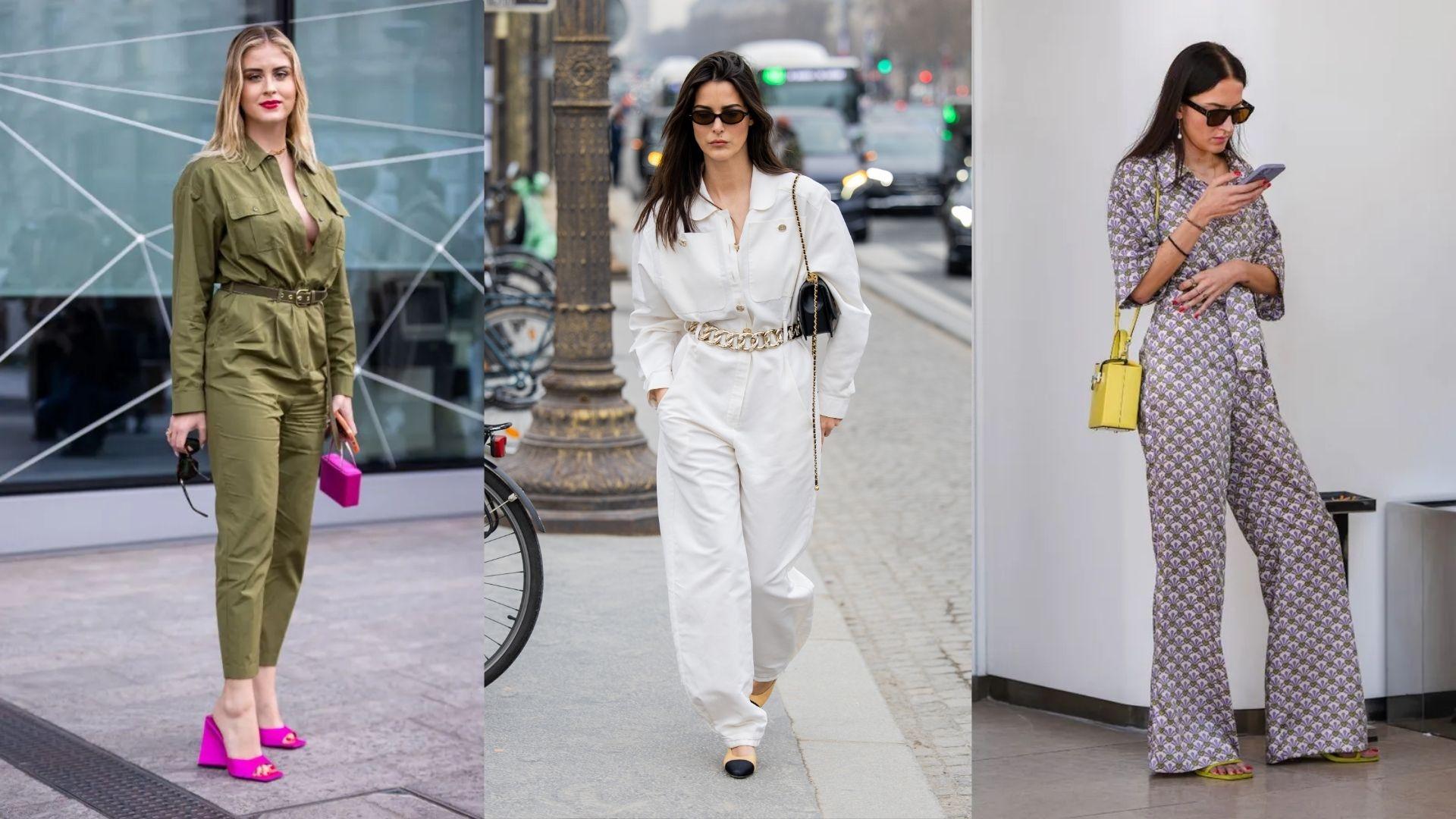
Building a business casual capsule wardrobe is a practical way to simplify your morning routine while creating stylish, professional outfits for every workday. Instead of purchasing separate clothing for every occasion, you can combine a few versatile essentials to create dozens of different looks. Tailored trousers, classic shirts, blazers, comfortable shoes, and simple dresses can form the foundation of a wardrobe that works across meetings, office days, presentations, and business events. With thoughtful planning, you can dress confidently without overcrowding your closet or constantly searching for something new to wear.
A successful capsule wardrobe balances comfort, coordination, and personal style. The best pieces are easy to mix and match, fit your workplace dress code, and suit your daily responsibilities. Neutral colors provide a reliable foundation, while carefully selected accessories, textures, and accent colors keep outfits interesting. Your hairstyle can also contribute to a polished appearance, and options such as natural curls, twists, buns, and braids can complement a variety of professional outfits. This guide shares 30 business casual outfit ideas to help you make the most of your wardrobe throughout the workweek.
What Makes a Business Casual Capsule Wardrobe Work?
This flexibility makes it easier to prepare for work without needing an extensive clothing collection. A business casual capsule wardrobe is a collection of versatile clothing items that can be combined in multiple ways to create appropriate professional outfits. Unlike a closet filled with pieces that only work for one specific occasion, a capsule wardrobe prioritizes coordination and everyday usefulness. For example, a navy blazer can be worn with tailored trousers, a skirt, or a dress, while a white shirt can complement several different bottoms.
Before selecting your essentials, consider your workplace's dress code and your personal needs. Some offices expect structured jackets and tailored trousers, while others allow dark jeans, knitwear, and more relaxed combinations. Your commute, climate, work schedule, and meeting requirements also influence which pieces will be most useful. Choose clothing that allows comfortable movement and feels appropriate for your professional environment rather than following a fixed set of fashion rules.
A coordinated color palette makes outfit planning even easier. Start with a few dependable neutrals, such as black, navy, gray, cream, beige, or brown, and add complementary shades that reflect your personality. You can introduce color through blouses, knitwear, scarves, or accessories without making the wardrobe difficult to coordinate. The goal is to ensure that most pieces work together, giving you more outfit combinations from fewer individual items.
Essential Pieces to Include in Your Work Wardrobe
Before exploring outfit combinations, establish a foundation of versatile clothing. Tailored trousers, button-down shirts, blouses, knit tops, a structured blazer, a cardigan, a dress, and comfortable work shoes can cover many professional situations. Depending on your workplace, you may also want a skirt, dark jeans, or a lightweight jacket. You do not need to purchase everything at once; begin with the pieces you already own and identify genuine gaps.
Pay attention to fit, fabric, and care requirements when choosing essentials. Clothing should feel comfortable when sitting, standing, walking, and moving throughout the workday. Fabrics that suit your climate and are reasonably easy to maintain can make a significant difference in how often you wear an item. If a garment fits well but needs a small adjustment, tailoring may improve its versatility. A dependable wardrobe is built around clothes that work in real life, not simply those that look attractive on a hanger.
Accessories and hairstyles can also help create variety. A structured work bag, simple belt, understated jewelry, or versatile scarf can change the appearance of familiar clothing combinations. Likewise, natural hairstyles for work, including defined curls, low buns, puffs, twists, and braids, can complement different professional looks. Choose styles that suit your hair texture, comfort, and workplace responsibilities, and avoid excessive tension when securing your hair.
10 Business Casual Outfit Ideas for Work
The following combinations demonstrate how a small selection of coordinated pieces can create a wide range of professional looks. Adapt each idea to your workplace dress code, climate, and personal preferences. You can repeat core pieces throughout the week while changing the top, layer, shoes, or accessories to make each outfit feel different. This approach helps your capsule wardrobe remain practical without sacrificing variety.
Classic and Timeless Outfit Combinations
Outfit 1: White Shirt and Black Trousers
Pair a crisp white button-down shirt with tailored black trousers for a timeless business casual look. Add loafers or low heels and a simple belt to create a balanced finish. This combination works well for everyday office wear, meetings, and situations where you want to look polished without dressing too formally. A structured work bag completes the outfit while keeping it practical.
Outfit 2: Navy Blazer and Cream Blouse
Combine a navy blazer with a cream blouse and coordinating trousers for an outfit that feels refined and versatile. Neutral shoes and minimal jewelry help maintain a clean appearance. This look is particularly useful for client meetings, presentations, and professional events. You can also wear the blazer with other pieces in your capsule wardrobe to create additional combinations.
Outfit 3: Gray Trousers and a Black Knit Top
Style gray tailored trousers with a black knit top for a comfortable outfit that still looks professional. Choose a fine-knit fabric that layers easily and works well in your office environment. Loafers or ankle boots can complete the look, depending on the season. This combination is suitable for regular workdays when you want a simple alternative to a button-down shirt.
Outfit 4: Beige Trousers and a Light Blue Shirt
Beige trousers paired with a light blue shirt create a fresh, understated combination. Add brown loafers, a coordinating belt, and a simple watch for a cohesive finish. The soft color palette is easy to adapt with a cardigan or blazer when temperatures change. This outfit is ideal for professionals who prefer lighter colors without relying on bold patterns.
Outfit 5: Black Midi Dress and a Structured Blazer
Wear a simple black midi dress with a structured blazer to create an outfit that transitions easily from everyday office tasks to formal meetings. Choose comfortable flats or low heels and keep accessories understated. The dress provides a complete foundation, while the blazer adds structure and warmth. You can change the overall appearance by switching the shoes or adding a subtle accessory.
Comfortable Outfits for Everyday Office Wear
Outfit 6: Straight-Leg Trousers and a Striped Shirt
Combine straight-leg trousers with a striped button-down shirt for a classic look with a little visual interest. Neutral shoes keep the outfit coordinated, while a simple belt adds definition. This combination works well for regular office days and can be dressed up with a blazer when necessary. Choose stripes and colors that coordinate with the rest of your wardrobe.
Outfit 7: Dark Jeans and a Tailored Blazer
If your workplace permits denim, pair dark, well-maintained jeans with a tailored blazer and a simple blouse. Loafers or understated flats help balance the relaxed denim with more structured pieces. This outfit can be a useful option for casual Fridays or creative office environments. Check your employer's dress code before including jeans in your regular business casual rotation.
Outfit 8: Navy Trousers and a Cream Sweater
Wear navy trousers with a cream sweater for a comfortable combination that suits cooler offices and transitional weather. Choose a lightweight knit that can be tucked in partially or worn neatly over the waistband. Add loafers or ankle boots and a coordinating bag. This outfit offers a softer alternative to a traditional shirt-and-blazer combination.
Outfit 9: Olive Trousers and a White Blouse
Olive trousers can add color while remaining easy to coordinate with neutral tops. Pair them with a white blouse and simple black or brown shoes for a balanced appearance. A cardigan or blazer can provide an additional layer without overwhelming the outfit. This combination is a useful way to introduce color into a capsule wardrobe while keeping the overall look professional.
Outfit 10: Black Trousers and a Fine-Knit Cardigan
Combine black trousers with a fine-knit cardigan over a simple top for a practical, layered outfit. Keep the cardigan open for a relaxed finish or button it neatly for a more structured appearance. Flats or loafers make the combination comfortable for daily office activities. This outfit is particularly useful when workplace temperatures vary throughout the day.
How to Coordinate Natural Hairstyles With Your Work Outfits
Your hairstyle can be another source of variety when working with a capsule wardrobe. Natural hairstyles for work include defined curls, twist-outs, low buns, puffs, flat twists, and braided updos. Choose styles that complement your personal preferences, hair texture, and daily responsibilities. For example, a low bun may work well with a structured blazer, while defined curls or a natural puff can pair beautifully with a simple blouse and tailored trousers.
Comfort and hair health should guide your styling choices. Avoid pulling buns, ponytails, or braids too tightly, as repeated tension can contribute to breakage and hair loss around the hairline. Use suitable moisturizing products, handle your hair gently, and protect your style at night when appropriate. If your work involves machinery, food preparation, or clinical duties, make sure your hairstyle meets any applicable safety or hygiene requirements.
You do not need a different hairstyle for every outfit. Instead, develop a small rotation of dependable styles that fit your schedule and can be maintained comfortably. A defined style might work for several days with gentle refreshing, while a bun or puff can provide a convenient option for busy mornings. Coordinating your hair routine with your clothing can make getting ready easier and help your overall appearance feel intentional without requiring extra effort every day.
How to Make 30 Outfits From a Smaller Wardrobe
The key to creating 30 outfits is not owning 30 separate looks. It is choosing a collection of clothing pieces that coordinate with one another and using them in different combinations. A few pairs of trousers, several tops, a blazer, a cardigan, one or two dresses, and a small selection of shoes can provide many possibilities. Start by identifying your most versatile items and experimenting with combinations before purchasing anything new.
Planning outfits ahead of time can reduce morning stress. At the beginning of the week, review your calendar and choose clothing for meetings, regular office days, and any special events. Lay out combinations or keep a simple list of outfits that work well together. If you find that a particular top works with several bottoms, consider it a core wardrobe piece. This process helps you understand which items provide the greatest value.
Review your capsule wardrobe every few months and make changes based on how you actually use it. You may discover that you need another pair of trousers, a more comfortable pair of shoes, or a layer for colder weather. Replace worn essentials when necessary and avoid buying items simply because they are on sale. A useful wardrobe evolves with your needs rather than remaining fixed at a particular size or number of pieces.
Common Business Casual Styling Mistakes to Avoid
One common mistake is assuming that every workplace follows the same definition of business casual. Some offices welcome dark jeans and knit tops, while others expect tailored separates and structured layers. Check your employer's dress code and consider the expectations of your role before deciding which outfits to wear. When uncertain, a slightly more structured combination can be a useful starting point until you understand the workplace culture.
Another mistake is prioritizing appearance over comfort. Shoes that hurt, trousers that restrict movement, and fabrics that require constant adjustment can make the workday less enjoyable. Try sitting, walking, and moving in clothing before purchasing it, and consider whether the garment suits your commute and climate. Clothing that feels comfortable and functions well is more likely to become a regular part of your capsule wardrobe.
Finally, avoid buying too many pieces that only work with one outfit. Statement items can add personality, but a collection built entirely around individual looks may become difficult to coordinate. Before purchasing something new, consider how it will work with at least three existing items. This simple check can help you build a more flexible wardrobe and reduce unnecessary spending over time.
Conclusion
A business casual capsule wardrobe makes it possible to create a wide variety of professional outfits from a manageable collection of versatile essentials. The 30 outfit ideas in this guide show how trousers, shirts, blazers, dresses, skirts, knitwear, and accessories can be combined to suit different workdays and office environments. By focusing on coordinated colors, comfortable fits, and practical fabrics, you can make better use of your clothing without sacrificing personal style.
Start with the pieces you already own, identify the combinations that work best, and add essentials only when you have a clear need. Consider how natural hairstyles for work can complement your outfits while keeping comfort and hair health in mind. With a little planning and regular wardrobe maintenance, you can build a collection that makes getting dressed easier, supports your professional image, and gives you more confidence throughout the workweek.

 French