


Oxygen Therapy at Home: A Complete Guide to Safe and Comfortable Breathing
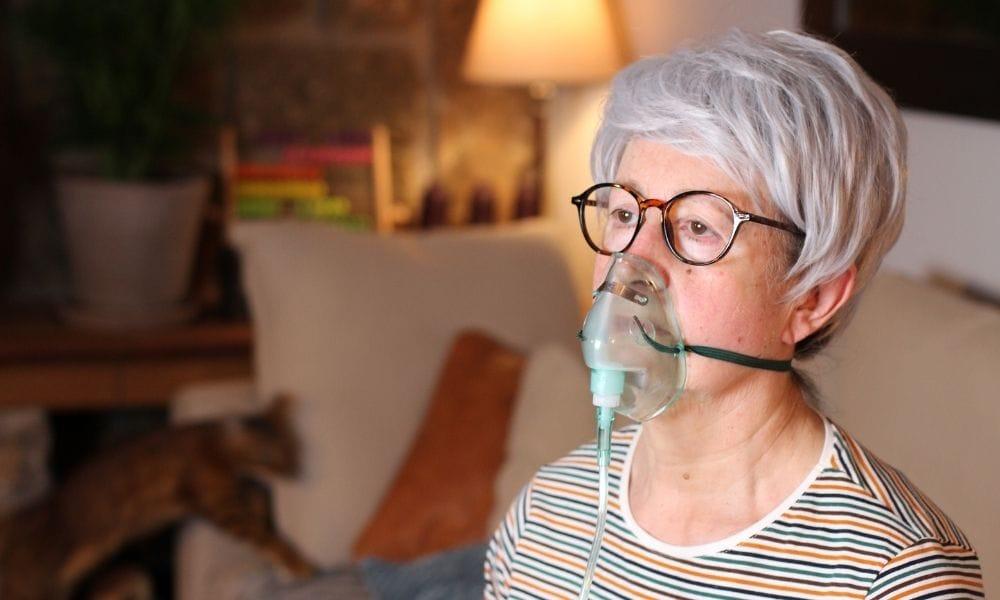
Oxygen therapy is an important healthcare service for patients who have low blood oxygen levels due to respiratory conditions or other medical concerns. Oxygen Therapy At Home In Dubai allows eligible patients to receive prescribed oxygen support in a familiar environment while maintaining comfort and convenience. With professional guidance from a Doctor at Home, patients and caregivers can better understand oxygen requirements, equipment use, and essential safety precautions. Proper home oxygen management can support daily activities, improve comfort, and help patients follow their recommended treatment plans without unnecessary hospital visits.
What Is Oxygen Therapy at Home:
Oxygen therapy at home involves supplying additional oxygen to patients who cannot maintain adequate blood oxygen levels independently. A healthcare professional evaluates the patient's condition, determines whether supplemental oxygen is necessary, and prescribes the appropriate flow rate and duration. Depending on individual needs, patients may receive oxygen through a nasal cannula or an oxygen mask connected to suitable equipment. Home oxygen therapy is commonly prescribed for certain patients with chronic obstructive pulmonary disease (COPD), other chronic lung diseases, and specific conditions associated with low blood oxygen. It is important to remember that oxygen is a medical treatment rather than a general wellness product, so it should only be used according to professional instructions.
Who May Benefit From Home Oxygen Therapy:
Home oxygen therapy may benefit patients whose blood oxygen levels remain below the recommended range because of an underlying medical condition. However, not everyone experiencing breathlessness requires supplemental oxygen, making medical assessment essential before starting treatment. A healthcare professional may recommend oxygen support for selected patients with chronic respiratory diseases, certain heart or lung conditions, or ongoing oxygen requirements following hospitalization. Potential candidates may include:
-
Patients with COPD and documented low blood oxygen levels.
-
Individuals with certain interstitial lung diseases.
-
Patients recovering from an illness who have a continuing, medically assessed need for oxygen.
-
Eligible patients who require long-term oxygen support.
-
Individuals whose oxygen needs have been evaluated through appropriate medical testing.
A professional assessment helps determine whether oxygen therapy is suitable and whether the patient needs continuous support, oxygen during physical activity, or treatment only under specific circumstances.
Benefits of Oxygen Therapy at Home:
Receiving prescribed oxygen in a familiar environment can make ongoing respiratory care more manageable for eligible patients. Home treatment reduces the need to travel solely for routine oxygen administration and allows patients to follow their care plans alongside familiar daily routines. For individuals with clinically significant low blood oxygen levels, appropriately prescribed oxygen can improve oxygenation and may help reduce symptoms associated with inadequate oxygen supply. Benefits vary according to the patient's diagnosis, oxygen levels, and overall health. Important advantages may include:
-
Greater convenience for patients with limited mobility.
-
Easier access to prescribed oxygen during daily routines.
-
Support for comfort and activity when oxygen is medically indicated.
-
More opportunities for family members to participate in care.
-
A familiar environment that may reduce the stress associated with repeated healthcare visits.
Oxygen therapy does not cure the underlying disease, so patients should continue other prescribed treatments and attend scheduled medical follow-ups.
Types of Oxygen Equipment Used at Home:
Different types of equipment are available for home oxygen therapy, and the most suitable option depends on the patient's prescription, oxygen requirements, mobility, and lifestyle. An oxygen concentrator draws in surrounding air, removes much of the nitrogen, and delivers concentrated oxygen through compatible tubing. Oxygen cylinders store compressed oxygen and may be used when prescribed, including in situations where a suitable backup supply is necessary. Portable oxygen systems can help some patients remain active outside their homes, depending on their individual requirements and the device's capabilities. Before selecting equipment, patients should consider:
-
Oxygen concentrators: Suitable for many patients requiring a consistent oxygen supply, provided the device meets their prescribed needs.
-
Oxygen cylinders: Require secure storage, careful handling, and appropriate arrangements for refilling or replacement.
-
Portable oxygen equipment: May support mobility when the device can deliver the required oxygen settings.
-
Nasal cannulas and masks: Deliver oxygen to the patient using the prescribed interface.
-
Backup arrangements: Help patients prepare for equipment failure or power interruptions when relevant.
Equipment should be selected with guidance from a qualified healthcare professional or oxygen supplier rather than through personal preference alone.
Essential Safety Precautions for Home Oxygen Therapy:
Oxygen itself is not flammable, but it makes fires start more easily and burn more intensely. This makes fire prevention one of the most important aspects of home oxygen safety. Patients and caregivers should follow the equipment manufacturer's instructions and all guidance provided by their healthcare team. Oxygen equipment should be kept away from flames, smoking materials, sparks, and other ignition sources. Essential precautions include:
-
Never smoke or allow anyone to smoke near oxygen equipment.
-
Keep oxygen away from candles, gas stoves, fireplaces, and open flames.
-
Avoid oil-based products, petroleum jelly, and greasy substances near oxygen delivery equipment unless a healthcare professional confirms a product is safe.
-
Keep cylinders upright and secured according to the manufacturer's instructions.
-
Maintain clear ventilation around equipment and avoid blocking concentrator air openings.
-
Check tubing regularly for kinks, damage, or disconnections.
-
Use electrical equipment according to manufacturer instructions and keep the area free of trip hazards.
-
Keep emergency contact information and equipment support details readily available.
Patients should never change their prescribed oxygen flow rate without medical advice. Increasing oxygen unnecessarily can be dangerous for certain individuals, including some patients with chronic respiratory conditions.
How to Prepare Your Home for Oxygen Therapy:
Preparing the home before starting oxygen treatment helps create a safer and more comfortable environment. Choose a stable, well-ventilated location for the equipment and ensure that the power supply meets the manufacturer's requirements. Keep pathways clear so patients can move safely without tripping over oxygen tubing. Caregivers should understand how to switch on the equipment, connect the prescribed delivery device, recognize common warning alarms, and contact the supplier if technical problems occur. A practical home preparation checklist includes:
-
Selecting a suitable location for the oxygen equipment.
-
Reviewing fire safety arrangements with everyone in the household.
-
Keeping tubing organized and away from walking routes.
-
Learning the equipment's basic operating instructions.
-
Checking whether backup oxygen or an alternative power plan is required.
-
Keeping prescriptions and emergency contact numbers accessible.
Patients should also discuss travel arrangements, power interruptions, and emergency procedures with their healthcare provider before relying on oxygen therapy at home.
The Role of Professional Medical Support:
Professional medical support helps patients use oxygen therapy safely and consistently. A healthcare provider assesses symptoms, reviews medical history, evaluates oxygen levels when appropriate, and determines whether changes to the treatment plan are necessary. Services involving a Doctor at Home may be useful for eligible patients who need medical assessment without traveling to a clinic, although the availability of specific services depends on the provider. Follow-up care can help identify changes in breathing, equipment difficulties, or complications that require further evaluation. During medical reviews, patients and caregivers should discuss oxygen settings, prescribed usage hours, equipment maintenance, medication adherence, and warning signs that require urgent attention. Regular monitoring is particularly important for people with chronic respiratory conditions or changing oxygen requirements.
Recognizing Warning Signs During Oxygen Therapy:
Patients receiving home oxygen should understand the difference between routine discomfort and symptoms that may indicate a medical emergency. Oxygen therapy does not eliminate the possibility of worsening respiratory disease, infection, or other complications. Seek emergency medical assistance if the patient develops severe or sudden breathing difficulty, blue or grey lips, new confusion, fainting, or chest pain. A healthcare professional should also be contacted promptly if breathing becomes increasingly difficult, oxygen readings repeatedly fall below the patient's prescribed target, or equipment stops working and no safe backup is available. Do not attempt to solve serious symptoms simply by increasing the oxygen flow rate. Follow the patient's emergency care plan and local emergency instructions, especially when symptoms are severe or rapidly worsening.
Final Thoughts:
Oxygen therapy at home can be an important part of respiratory care for patients who have a medically established need for supplemental oxygen. With the right equipment, professional assessment, appropriate monitoring, and consistent safety precautions, patients can manage their treatment more comfortably in familiar surroundings. Families should understand the prescribed oxygen settings, maintain equipment properly, and know when to seek medical assistance. For those considering Oxygen Therapy At Home In Dubai, the first step is to consult a qualified healthcare professional who can assess individual needs and recommend an appropriate treatment plan. Safe oxygen use, regular follow-ups, and informed caregiving are essential to supporting respiratory health at home.

 English
