


Feed Additives Strengthen Nutrition, Efficiency, and Livestock Health Across India
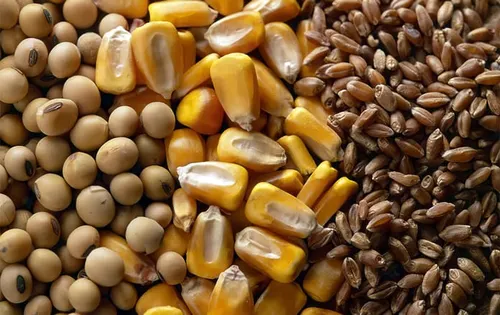
Feed additives are specialised ingredients incorporated into animal diets to improve nutritional balance, feed quality, digestion, growth, health, or production performance. They include vitamins, minerals, amino acids, enzymes, probiotics, antioxidants, preservatives, acidifiers, binders, and other functional substances. Across India, these ingredients are becoming increasingly relevant as livestock and poultry producers seek more consistent nutrition, better feed utilisation, and dependable animal performance.
A recent study by MarkNtel Advisors highlights that the India feed additives sector was valued at USD 1.01 billion in 2025 and is projected to reach USD 1.28 billion by 2032, registering a CAGR of 4.08% during 2026–2032. Expansion reflects commercial livestock production, compound feed adoption, nutritional awareness, animal health requirements, and demand for more efficient feeding practices.
Feed Additives Serve Specific Nutritional Functions
Feed additives are generally used in small quantities to fulfil targeted functions within an animal diet. The Food and Agriculture Organization defines an additive as an ingredient or combination of ingredients added to a basic feed mixture to meet a specific need. Depending on the formulation, additives may preserve feed quality, improve nutrient availability, support digestion, stabilise mixtures, or address nutritional deficiencies.
Their effectiveness depends on correct dosage, uniform mixing, ingredient compatibility, storage conditions, and the nutritional requirements of the animal. Additives cannot compensate for poorly formulated diets or low-quality raw materials, making professional feed formulation essential.
Poultry Production Encourages Consistent Feed Formulation
Poultry farming requires carefully balanced diets because birds have specific nutritional needs at different growth and production stages. Commercial feed formulations commonly combine grains, protein sources, fats, vitamins, minerals, and selected additives.
The FAO’s poultry nutrition guidance explains that practical poultry diets are prepared from multiple ingredients to deliver appropriate energy, protein, minerals, and vitamins. Feed additives can complement these formulations by supporting nutrient utilisation, feed preservation, digestive stability, and production consistency.
Enzymes such as phytase may help improve the availability of nutrients that animals cannot efficiently access from certain plant-based ingredients. Probiotics and organic acids may also be included within broader programmes focused on digestive function and feed hygiene.
Dairy and Livestock Nutrition Create Diverse Requirements
Cattle, buffaloes, goats, and other livestock require diets suited to their age, body weight, health, production level, and local farming system. Dairy animals may need balanced mineral mixtures, vitamins, amino acids, enzymes, buffers, and other supplements to support milk production, reproduction, and general health.
India’s livestock sector includes intensive commercial farms as well as smallholder systems, creating varied requirements for product format, affordability, distribution, and technical support. Additive selection must therefore reflect local feed resources rather than applying identical formulations across all farms.
Research Supports More Targeted Additive Development
Indian research institutions are developing feed technologies for animal productivity, environmental management, and climatic stress. The Indian Council of Agricultural Research lists work involving phytase, vitamin D3, alternative feed ingredients, probiotics, mineral technologies, and feed additives designed to address heat stress in poultry.
ICAR has also commercialised an anti-methanogenic feed supplement developed from plant-based sources for livestock feeding. Such research illustrates how additives may be designed not only for nutrition but also for environmental and operational objectives.
Feed Safety and Quality Control Remain Essential
Feed additives must be manufactured, stored, transported, and mixed under controlled conditions. Incorrect inclusion levels, contamination, poor labelling, or uneven distribution can reduce effectiveness and create health risks.
The FAO’s good practices for the feed industry emphasise responsible feed production and implementation of recognised animal-feeding practices. In India, the Department of Animal Husbandry and Dairying also publishes information concerning approved feed additives, premixes, and supplements for import.
Efficient Nutrition Will Guide Future Adoption
India’s feed additive landscape is developing alongside commercial poultry farming, dairy modernisation, aquaculture, compound feed production, and greater attention to animal nutrition. Long-term adoption will depend on scientific validation, affordability, regulatory compliance, farmer awareness, and consistent manufacturing quality.
Feed additives are most valuable when used as part of a complete nutrition programme supported by suitable ingredients, accurate formulation, responsible dosing, and ongoing animal-health management.

 English
