


Employee Productivity Tracking Software: Turning Workforce Data Into Better Team Performance
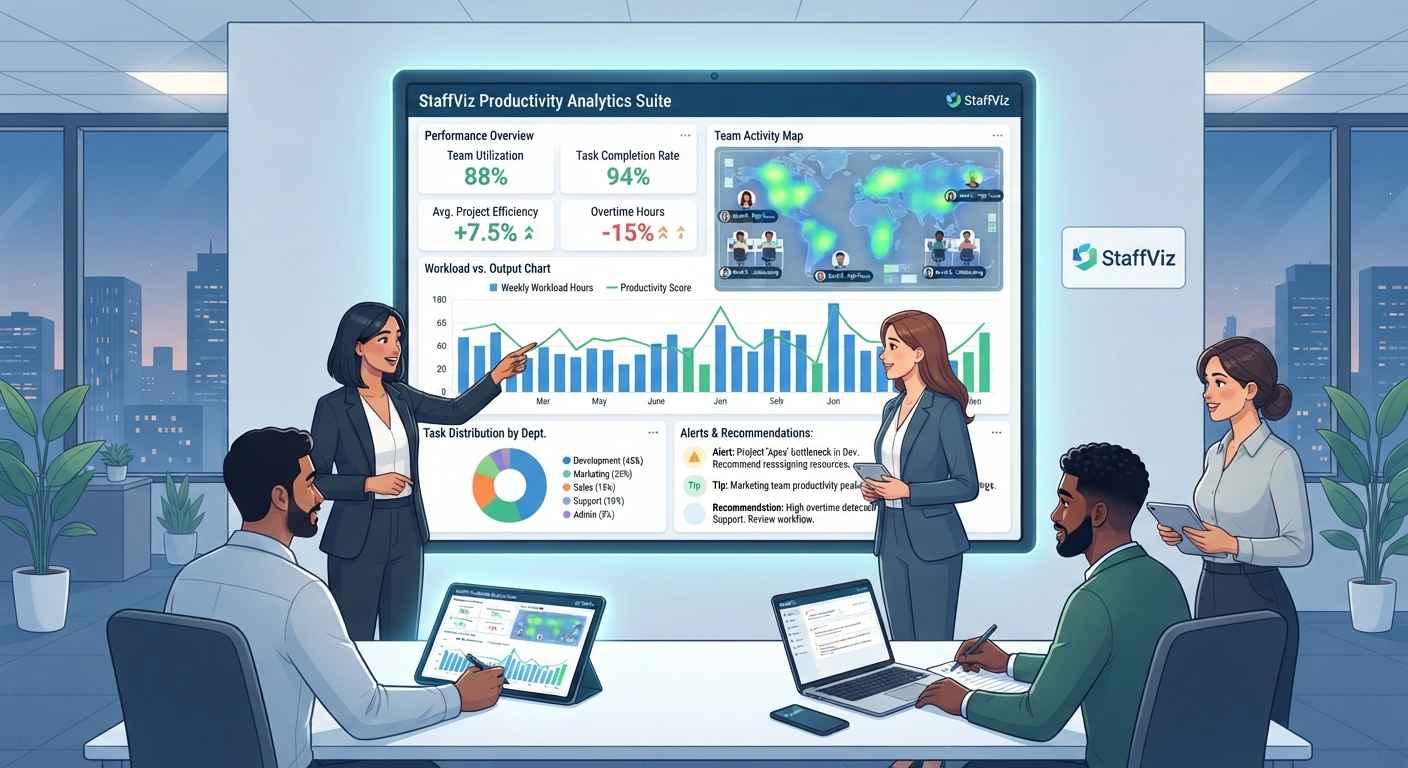
Team productivity is not simply about how many tasks employees complete in a day. It also involves understanding how people work, where time is being spent, which processes create delays, and whether employees have the resources they need to perform effectively. Without reliable information, managers may find it difficult to distinguish between genuine productivity challenges and problems caused by inefficient workflows.
This is where employee productivity tracking software can provide valuable support. Modern businesses can use workforce data to understand work patterns, identify bottlenecks, and make better decisions about processes and resources. When used responsibly, technology can give managers a clearer picture of team performance while helping employees focus on meaningful work.
Why Team Productivity Is Difficult to Measure
Productivity can look different depending on the role, industry, and type of work being performed. A sales representative may be measured by qualified leads and completed sales, while a software developer may spend several hours researching a complex technical problem before producing a small amount of visible output.
This makes productivity difficult to judge through simple activity counts. An employee who appears busy may not necessarily be working efficiently, while another employee may produce significant results with fewer visible activities.
Businesses therefore need a broader approach that considers work patterns, task completion, time allocation, collaboration, and overall outcomes. Data can support this process by giving managers additional context rather than relying entirely on assumptions.
How Employee Productivity Tracking Software Supports Managers
Identifying Where Time Is Being Spent
One of the practical benefits of productivity technology is improved visibility into how working time is allocated. Managers can identify patterns that may indicate excessive administrative work, inefficient processes, or interruptions that affect concentration.
For example, consider a customer support team that regularly misses response targets. Management might initially assume that employees need to work faster. After reviewing workflow information, they may discover that employees are spending a significant amount of time switching between multiple systems to locate customer information.
The real issue is therefore not employee effort but process inefficiency. Addressing the workflow can improve productivity without placing unnecessary pressure on the team.
Understanding Team Performance Patterns
Employee productivity software can also help organizations identify broader patterns across departments or projects. Managers may discover that certain teams consistently experience workload imbalances or that particular processes take longer than expected.
This information can support better resource planning. If one department regularly has more work than its available capacity, managers can reconsider staffing levels, redistribute responsibilities, or improve the underlying workflow. Organizations can also review workplace productivity resources from the U.S. Department of Labor when developing policies around working hours and workforce management.
The objective should be to understand why performance differs rather than simply ranking employees based on activity.
Creating a More Data Driven Productivity Strategy
Use Data as Context, Not Judgment
Technology becomes more useful when productivity information is interpreted within the context of an employee's role. A high number of activities does not automatically mean better performance, just as a lower activity level does not necessarily indicate poor performance.
Managers should combine workforce data with project outcomes, deadlines, quality standards, and employee feedback. This creates a more balanced understanding of performance.
For example, a graphic designer may spend considerable time developing one important campaign concept. Measuring productivity solely by the number of files created would fail to capture the value of the work.
Find Bottlenecks Before Increasing Workloads
When productivity declines, businesses should first investigate the cause. Employees may be dealing with outdated software, unclear responsibilities, excessive meetings, repetitive administrative tasks, or unrealistic deadlines.
Productivity tracking software can help highlight unusual patterns that deserve further investigation. Managers can then address the underlying issue instead of simply asking employees to increase their output.
This approach can contribute to a healthier workplace because productivity improvements come from better systems rather than constant pressure.
Supporting Remote and Hybrid Teams
Remote and hybrid work have made workforce visibility more important for many organizations. Managers may not have the same informal opportunities to observe workflows that exist in a traditional office.
Technology can provide useful operational insights while allowing teams to remain flexible. However, transparency is essential. Employees should understand what information is being collected, why it is being collected, and how the organization intends to use it.
A responsible approach focuses on improving workflows and supporting employees rather than creating an environment of constant surveillance. Clear policies and communication can help establish trust while still giving managers useful information.
Turning Productivity Data Into Action
Collecting workforce information is only the first step. Businesses need to turn insights into practical improvements.
Suppose a company notices that employees spend significant time on repetitive administrative tasks. Management could investigate automation options or simplify the process. If a particular project consistently requires more time than expected, project managers could review its requirements and resource allocation.
Similarly, if employees frequently work outside normal schedules to complete routine responsibilities, leadership may need to examine workload distribution or staffing levels.
The value of productivity technology comes from using information to make meaningful operational changes.
What Should Businesses Look For in Productivity Software?
When evaluating productivity technology, businesses should consider whether the platform provides useful analytics rather than simply collecting large amounts of data. Reporting capabilities, workforce insights, ease of use, privacy controls, integrations, and scalability are all important considerations.
Organizations should also think about how the software fits into their existing management processes. The best solution is one that helps managers understand performance without creating unnecessary administrative complexity.
Employee communication should also be part of the implementation process. Explaining the purpose of productivity measurement can help employees understand that the objective is better workflow management and organizational improvement.
Conclusion
Improving team productivity requires more than asking employees to accomplish more tasks. Businesses need to understand how work is performed, where obstacles occur, and which processes can be improved. Employee productivity tracking software can provide valuable visibility into workforce patterns and help managers make more informed decisions.
When combined with meaningful employee productivity metrics, this technology can support better resource planning, workflow improvements, performance discussions, and long term operational efficiency. Businesses should also consider the human factors that can influence workplace performance, including employee engagement, motivation, and changing attitudes toward work. Learning more about understanding employee productivity challenges can help organizations take a more balanced approach to improving team performance.
FAQs
How does employee productivity tracking software improve team performance?
It provides managers with insights into work patterns, time allocation, task activity, and workflow efficiency. These insights can help organizations identify bottlenecks and make practical improvements.
Is employee productivity tracking software suitable for remote employees?
Yes. It can provide managers with useful visibility into remote workflows. However, organizations should communicate clearly about data collection and establish transparent policies to maintain employee trust.
What is the difference between employee productivity software and time tracking?
Employee productivity software can provide broader insights into work patterns, activities, performance, and workflow efficiency. Time tracking generally focuses more specifically on recording time spent working or on particular tasks.
What employee productivity metrics should businesses monitor?
Relevant metrics can include task completion, project progress, time allocation, workload distribution, deadlines, quality indicators, and other measures that are appropriate for the employee's specific role.
Can productivity tracking software identify workflow problems?
Yes. Patterns in workforce data can reveal potential bottlenecks, excessive administrative work, interruptions, or workload imbalances that may be affecting team efficiency.
How can companies use productivity software without making employees feel monitored?
Organizations should clearly explain what information is collected and why. Productivity data should be used primarily to improve processes, support employees, and make informed management decisions rather than relying on activity data alone to judge individuals.
Is productivity tracking useful for small businesses?
Yes. Small businesses can use productivity insights to understand how limited resources are being used, identify inefficient processes, and improve workload planning as their teams grow.
What should companies consider before choosing productivity tracking software?
Businesses should evaluate analytics, reporting, privacy controls, usability, integrations, scalability, and whether the platform provides meaningful insights that support their specific workforce management goals.

 French
