


How to Spot a Fake Rolex and Identify Genuine Watches
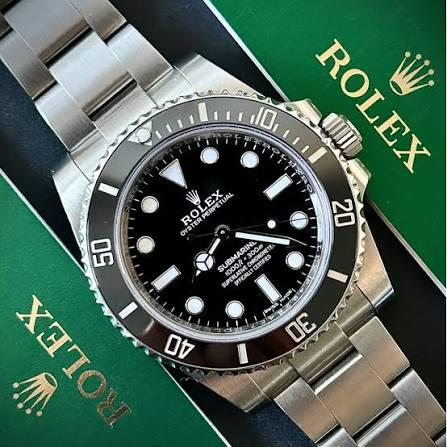
Rolex is one of the most recognised luxury watch brands in the world, known for its craftsmanship, precision, and timeless designs. Its popularity has also made Rolex watches a common target for counterfeiters. Fake watches can look remarkably similar to genuine models, making it difficult for buyers to identify the differences at first glance.
Understanding how to spot a fake Rolex is important for anyone considering purchasing a new or pre-owned luxury watch. Although some counterfeit watches have obvious flaws, others feature convincing details that require careful examination. From the dial and serial numbers to the movement and paperwork, several factors can help buyers assess a watch's authenticity.
However, no single visual detail can guarantee that a Rolex is genuine. Counterfeiters continually improve their products, and genuine watches can also have replacement parts or modifications. The most reliable approach combines careful inspection with professional authentication and a purchase from a reputable source.
Examine the Rolex Dial Carefully
The dial is one of the first places to look when learning how to spot a fake Rolex. Genuine Rolex watches are manufactured with close attention to detail, and the dial should appear clean, consistent, and carefully finished.
Examine the brand name, printed text, hour markers, and minute track. On a genuine watch, these elements should generally be aligned and clearly defined. Uneven lettering, spelling errors, inconsistent spacing, or visible printing defects may indicate a counterfeit.
Check the hands and markers for neat finishing. Their appearance should be consistent with the particular Rolex model and reference.
The date magnification lens, commonly called the Cyclops, is another detail worth examining. Many Rolex models feature a lens that enlarges the date, but the design and magnification can vary by model and generation. A date window that looks unusual may justify further investigation, although this feature alone cannot establish authenticity.
Always compare the dial with reliable photographs of the exact reference rather than relying on general assumptions about every Rolex watch.
Check the Weight and Build Quality
Genuine Rolex watches are made using carefully selected materials and precise manufacturing processes. Depending on the model, they may use Oystersteel, precious metals, or other specialised materials.
When handling a watch, pay attention to the overall construction. The case should feel solid, and the bracelet should fit together neatly. Poor finishing, sharp edges, loose links, or an uneven clasp may raise concerns.
However, weight is not a definitive test. Different Rolex models use different materials, and counterfeit watches can sometimes contain heavy components designed to imitate the feel of an authentic product.
Likewise, a genuine Rolex that has been worn for years may show scratches, bracelet stretch, or other signs of use. Cosmetic wear does not automatically mean a watch is fake.
The goal is to identify inconsistencies that deserve closer inspection, not to judge authenticity based on weight or appearance alone.
Inspect the Serial and Model Numbers
Serial and model numbers are important details when checking a Rolex's authenticity. These numbers help identify the watch and can provide information about its reference and production history.
Depending on the model and production period, the serial number may be located between the lugs or engraved on the rehaut, the inner edge of the case surrounding the dial. The model or reference number can also help establish the watch's specifications.
Look for clear, consistent engraving. Poorly formed characters, irregular spacing, or markings that do not match the expected reference may warrant further investigation.
However, counterfeiters can copy genuine serial numbers, so finding a number that appears valid does not prove that a watch is authentic. The same serial number may even appear on multiple counterfeit watches.
For a more reliable assessment, have the numbers checked against the watch's documented details by a qualified watchmaker or professional authenticator.
Listen to the Movement
The movement is another important factor when learning how to spot a fake Rolex. Most Rolex watches use mechanical movements, although the exact movement depends on the model and production period.
Some counterfeit watches use inexpensive quartz movements, which may produce a noticeable ticking sound. Many genuine mechanical Rolex watches have a smoothly moving seconds hand, often creating the impression of a sweeping motion rather than a pronounced one-second jump.
Nevertheless, this is not a foolproof test. Some counterfeit watches use automatic movements, and the movement of a genuine watch's seconds hand can vary depending on its mechanism.
Avoid opening the case yourself to inspect the movement. Doing so can damage the watch, compromise its water resistance, or affect its components.
A professional watchmaker can examine the movement, compare it with the correct specifications, and identify inconsistencies that may not be visible from the outside.
Examine the Bracelet and Clasp
The bracelet and clasp can provide useful clues about a Rolex watch's authenticity. Genuine bracelets are designed to complement the case, with carefully finished links and a secure fastening mechanism.
Inspect the links for consistent finishing, smooth edges, and a well-constructed appearance. The clasp should close securely and operate as expected for the particular model.
Engravings and logos should also be consistent with the watch's reference and production period. Poorly executed markings, uneven lettering, or a clasp that does not match the model may indicate a problem.
It is important to remember that bracelets and clasps can be replaced during servicing. A genuine Rolex may have a replacement bracelet, while counterfeit watches may use components that imitate authentic designs.
If something appears unusual, ask a professional to determine whether the component is genuine, appropriate for the model, and consistent with the watch's history.
Verify the Box, Papers, and Documentation
Original packaging, warranty cards, receipts, and service documents can help establish a Rolex watch's history. When purchasing a pre-owned watch, ask the seller which original items are included.
Check whether the details on the available documentation correspond with the watch. Model information, dates, and other identifying details should make sense for the specific reference.
However, boxes and paperwork can also be counterfeited. A genuine warranty card does not automatically prove that the watch presented with it is genuine.
Similarly, the absence of original packaging does not mean a Rolex is fake. Many authentic pre-owned watches are sold without their original boxes or papers.
Documentation should therefore be treated as supporting evidence rather than conclusive proof. The watch itself must be examined independently.
Compare the Watch With the Exact Rolex Model
Rolex produces numerous collections, including the Submariner, Datejust, Daytona, GMT-Master II, and Oyster Perpetual. Each collection has different design features, dimensions, and technical specifications.
Before purchasing a watch, identify its exact model and reference number. Compare it with information from Rolex's official website, authorised retailers, or reliable horological resources.
Pay attention to details such as:
Case dimensions and shape
Dial colour and layout
Bezel design and markings
Hand and hour-marker styles
Date display and magnification
Bracelet type and clasp
Movement and model-specific features
A mismatch between the watch and the specifications of its stated reference deserves further investigation.
Be cautious when comparing watches from different production years. Rolex designs can change over time, so a feature that appears unusual on one generation may be correct for another.
Be Careful With Prices and Sellers
Price and seller reputation are important considerations when buying a Rolex. A price significantly below the usual market range may be a warning sign, especially when the seller offers little documentation or avoids questions about authenticity.
Research current prices for the exact model and condition. Consider whether the watch is new, pre-owned, unworn, or in need of servicing.
Buyers should be cautious of sellers who create pressure to complete a transaction immediately, refuse independent inspections, or provide inconsistent information.
Whenever possible, purchase through an authorised Rolex retailer or a reputable pre-owned watch dealer with a clear authentication and return policy.
If buying from a private seller, arrange an independent inspection before making payment. Use a secure payment method and obtain written documentation of the transaction.
Get Professional Rolex Authentication
Even a detailed visual inspection cannot always distinguish a sophisticated counterfeit from a genuine Rolex. Some fake watches reproduce external features convincingly, while genuine watches may contain replacement parts or modifications.
A qualified watchmaker or specialist in Rolex authentication can examine the watch's construction, movement, markings, and reference-specific details.
For pre-owned purchases, ask for a written assessment where available. If the watch has been serviced, request information about the work performed and any components that were replaced.
Rolex service centres can assess watches in accordance with their procedures, although the services available may vary by location and circumstances.
Professional authentication is particularly valuable when buying an expensive vintage watch, a rare reference, or a model with an uncertain service history.
Conclusion
Learning how to spot a fake Rolex involves examining several details rather than relying on one supposed giveaway. The dial, case, bracelet, serial numbers, movement, and documentation can all provide useful clues when assessing a watch.
However, counterfeiters can reproduce many visible features, and genuine watches may have replacement parts or signs of wear. Even a convincing appearance is not enough to guarantee authenticity.
The safest approach is to research the exact model, check the seller's reputation, compare the watch with reliable specifications, and arrange professional authentication before completing a significant purchase.
With careful research and a cautious buying process, you can make a more informed decision and reduce the risk of purchasing a counterfeit Rolex.

 English
